



The card case had a long run. For nearly a decade, it was the wallet format that defined a certain kind of luxury minimalism – slim, logo-forward, and easily slipped into a back pocket or tiny evening bag. Now, quietly and without much fanfare, Bottega Veneta’s Intrecciato bifold wallet is pulling attention back toward something with a little more intention behind it.
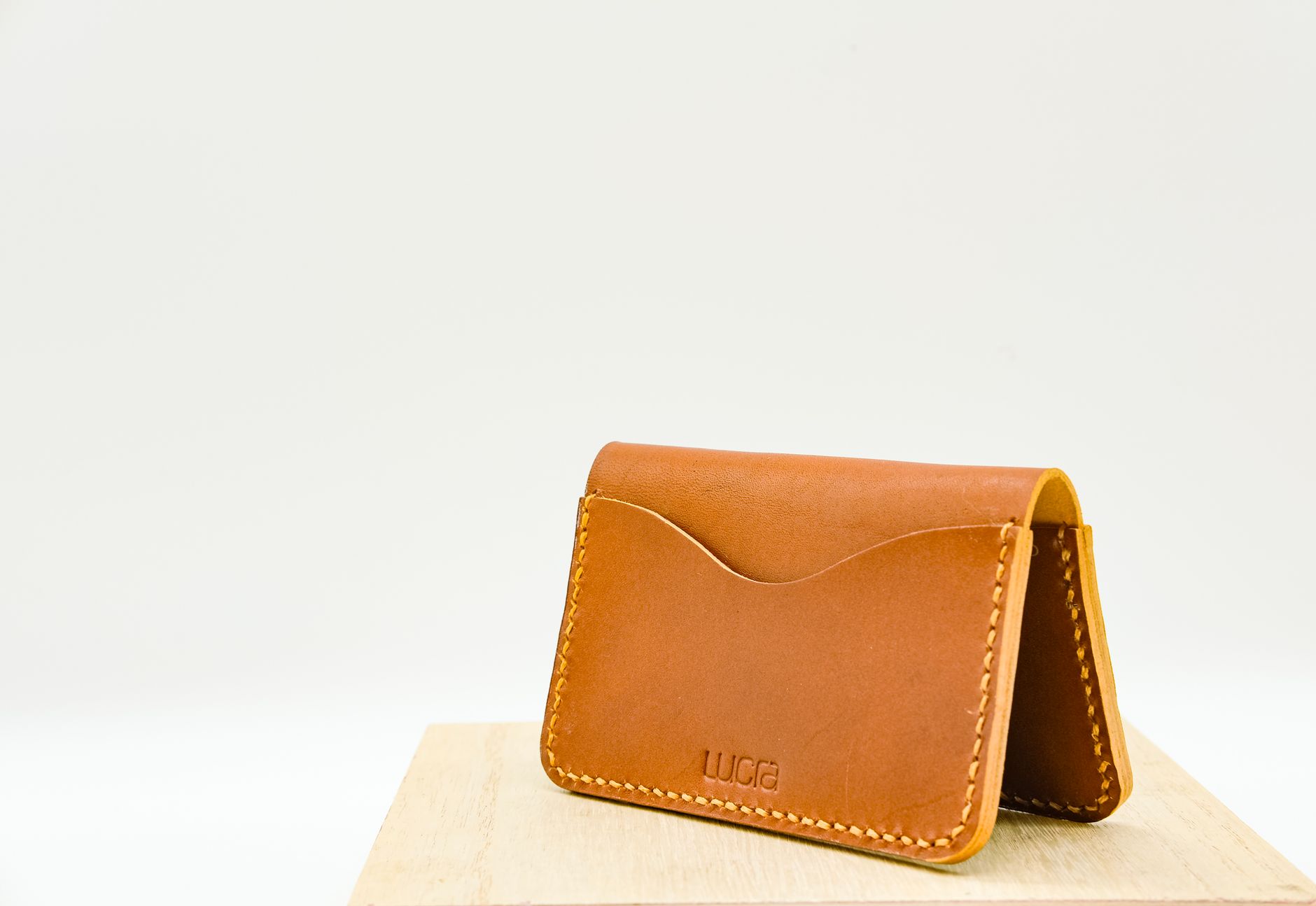
Why the Card Case Is Losing Ground
The card case peaked during the height of logomania and the micro-bag moment, when carrying less was a status signal in itself. A flat sleeve of leather holding four cards and nothing else communicated that you didn’t need to carry much – that your life was edited, frictionless, handled. It worked aesthetically because it matched the visual language of the era: sleek, branded, and slightly austere.
The problem with card cases is that they were always more concept than function. Anyone who has actually lived with one knows the quiet frustration of fumbling for cash at a market that doesn’t take cards, or needing to hand someone a folded receipt, or realizing that four card slots is simply not enough for a real week of errands. The format demanded a kind of lifestyle compliance that most people, even wealthy ones, couldn’t actually sustain.
Bottega Veneta’s Intrecciato wallet doesn’t make that demand. It holds cards, yes, but also cash, a few folded receipts, and whatever else finds its way into a wallet during an actual day. The bifold format is old – genuinely old, the kind of thing your father carried – but Bottega has made it feel like a deliberate choice rather than a default one. That shift in perception is where the brand has done its most interesting work.
There’s also a broader weariness with pieces that look like they’re trying too hard to signal restraint. A card case, especially one with a prominent logo, reads as effortful in a way that a well-made bifold doesn’t. The Intrecciato wallet carries its status differently – through craft rather than format, through the weave rather than the silhouette.
What the Intrecciato Weave Actually Does for a Wallet
Bottega Veneta’s woven leather technique, the Intrecciato, was originally developed as a way to strengthen thin leather without using a fabric backing. The strips are woven together before being formed into the final shape, which means the structure comes from the material itself rather than from internal reinforcement. On a wallet, this matters in a specific, tactile way: the piece softens and shapes to your pocket over time without losing its form or developing the creased, exhausted look that flat smooth leather eventually takes on.
The weave also means the wallet develops a patina that reads as intentional. Smooth calfskin wallets tend to show wear in a way that looks like damage – corners scuffed, surface scratched. An Intrecciato piece ages differently because the texture already contains variation. The wear becomes part of the visual language of the object rather than a departure from it. Long-term owners of Bottega pieces often describe this as the point at which the wallet starts to feel genuinely personal rather than just expensive.
Bottega has also kept the wallet’s design vocabulary consistent across decades. The Intrecciato bifold available today is not dramatically different from versions produced fifteen years ago, which is a quiet form of confidence that few luxury brands manage to sustain. There are no seasonal colorway pivots driven by trend pressure, no sudden silhouette updates to justify new product launches. The wallet simply exists, in a range of classic colors, and doesn’t apologize for looking the same year after year.
This consistency is part of why the piece is gaining traction now, particularly among buyers who are specifically tired of the churn. A growing number of luxury consumers are shopping with a longer time horizon – looking for objects that won’t feel dated in two seasons, that don’t require them to track what’s current. The Intrecciato wallet is, structurally, immune to this problem. It never looked trendy, so it can never look out of date.
The price point also does something interesting psychologically. Bottega’s Intrecciato bifold sits in a range that is genuinely expensive but not at the outer edge of luxury wallet pricing. It costs more than a workhorse wallet from a heritage brand, but less than some of the more theatrical offerings from houses that treat accessories as statement pieces. That middle position makes it feel like a considered purchase rather than either a practical one or an extravagant one – which is exactly where a lot of buyers want to land right now. This dynamic isn’t unlike what’s happening with the Celine Triomphe canvas, which has been winning over buyers who want recognizable craftsmanship without overt logomania.
The Quiet Power of Carrying Something Real
There’s something worth sitting with in the fact that a bifold wallet – the most ordinary, unremarkable format in the category – is the piece gaining momentum right now. It suggests that the appetite for novelty in small leather goods has genuinely cooled, and that buyers are starting to evaluate these objects the way they evaluate furniture or kitchen tools: by how well they work over time, not by how they photograph.
Whether the Intrecciato wallet can hold this position depends partly on whether Bottega Veneta continues to resist the temptation to over-update it. The wallet’s appeal is almost entirely rooted in its refusal to change – which means the biggest threat to it isn’t a competitor’s new release, but the brand’s own design calendar.