


The Shift Happening at Ear Level
There is a specific kind of jewelry power move that requires no announcement. Bottega Veneta’s drop earring – a long, architectural piece rendered in the house’s signature intrecciato weave or cast in sculptural silver – has been appearing on the kind of women who used to reach instinctively for an ear cuff. Not because the cuff is finished, but because the drop earring is offering something the cuff stopped delivering: movement, occasion-neutrality, and a visible commitment to craft over cool-girl restraint.
The cuff had a long run. It suited the minimalist era perfectly – a single wraparound piece that read as effortless and slightly undone, low-maintenance in the way that luxury fashion spent the better part of a decade performing. But the appetite for that particular kind of understatement appears to be shifting. The drop earring signals dressing up rather than dressing down, and right now, that distinction is mattering again.
What Bottega Veneta Is Actually Selling
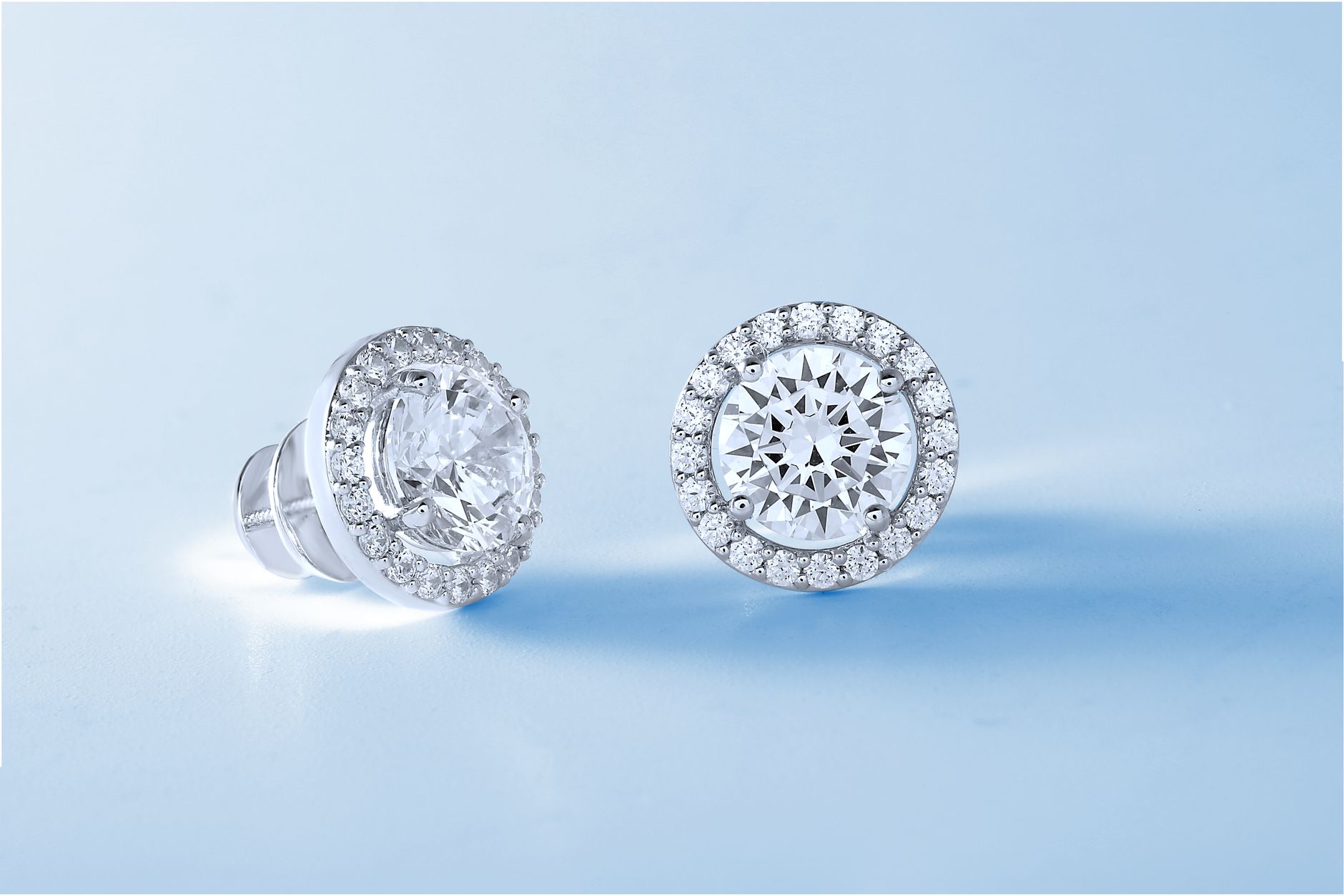
The house under Matthieu Blazy has been methodical about accessories. Nothing arrives without context – each piece connects back to a broader idea about what dressing with intention looks like. The drop earring fits squarely into that framework. It is not a statement piece in the loud sense; it does not demand attention the way a chandelier earring does. It earns attention because it is clearly, unmistakably made. The weight, the weave, the way it catches light without being flashy – these are the details that justify the price point without a logo doing any of the work.
That logolessness is precisely what gives it cultural longevity. The Bottega drop earring circulates on social media without triggering the kind of saturation fatigue that kills a trend quickly. You see it, you register the quality, and then it disappears back into an outfit rather than overpowering one. This is the opposite of how jewelry operated during the maximalist years, when the goal was to be seen from across a room.

Why the Ear Cuff Is Losing Ground
The ear cuff had a specific cultural moment tied to a specific aesthetic: the off-duty model, the art world adjacent, the person who could make a single piece of hammered gold look like a considered choice rather than jewelry. That aesthetic still exists, but it no longer has the monopoly on feeling current. Dressing up – actually up, with real occasion-awareness – is being rehabilitated after years of being coded as try-hard or unspontaneous.
The drop earring benefits from this rehabilitation directly. It belongs to a category of jewelry that was unfairly sidelined during the decade of deliberate casualness. A well-made drop earring from a house with Bottega’s material credibility is not trying to be trend-proof; it simply is trend-resistant because the craftsmanship anchors it outside the cycle. The cuff, by contrast, became so associated with a particular mood of the moment that wearing one now carries temporal freight.
There is also the movement factor, which is harder to dismiss than it sounds. Drop earrings interact with the body in a way a cuff cannot – they shift with the wearer, catch light as the head turns, create a subtle visual rhythm. This aliveness is something a static ear cuff cannot replicate, and in a period when fashion is rediscovering the pleasure of things that behave like clothes rather than armor, that matters. It is the same logic driving interest in pleated trousers over skinny ones, or silk blouses over crisp cotton – material and construction that respond to movement.
Bottega’s version in particular reads as neither retro nor aggressively modern. It occupies a middle register that is genuinely difficult to manufacture. The proportions are long enough to read as intentional but restrained enough to avoid the costume territory that sank the chandelier earring. This calibration is not accidental – it is the product of a design team working in close reference to the house’s broader seasonal codes.
The Styling Dimension
How something wears across different contexts determines whether it functions as a true wardrobe piece or a capsule moment. The Bottega drop earring has been photographed with tailored suiting, with simple jersey, with the kind of easy knitwear that the house itself does better than almost anyone. It does not require a specific look to validate it. This versatility is genuinely rare in fine accessories, where pieces often lock themselves into a particular context by design.
The cuff does not have this range. It is deeply casual in its associations – which was exactly the point, but also exactly its limitation. A drop earring at a dinner and a drop earring running errands are both plausible scenarios. A cuff at a formal dinner and a cuff at a coffee shop read slightly differently, and not equally well in both directions. Much like the slim scarf edging out the statement necklace, the logic here is about adaptability rather than spectacle.

Where This Goes From Here
A growing number of jewelry designers at adjacent price points are watching this shift closely. When a house with Bottega’s authority commits to a silhouette, it tends to license that silhouette downward through the market – first into contemporary designer territory, then into accessible luxury, then broadly. The drop earring’s revival is not Bottega’s invention, but Bottega is providing the cultural permission slip that accelerates adoption across the board.
The cuff will not disappear. It is too embedded in the wardrobes of a specific demographic who built their personal style around its quiet cool, and it will hold on in the way that any accessory with strong identity retention does. But the cultural energy is relocating. The drop earring is absorbing the attention, the editorial real estate, and – more telling than either – the second-hand market demand that indicates genuine longing rather than trend compliance.
What remains unresolved is whether this earns the drop earring a lasting place in the accessories conversation or whether it peaks at precisely the moment everyone agrees it is the thing to own. Bottega’s track record on this – the Pouch bag, the mule, the padded Cassette – suggests the house is better than most at timing a cultural read. But the padded Cassette also reminds you how quickly consensus can calcify into cliche, and how narrow the margin is between iconic and overexposed.