


Ann Demeulemeester left her own house in 2013. For over two decades before that, she had built one of fashion’s most recognizable vocabularies – black, feathers, asymmetry, a kind of gothic romanticism that refused to soften itself for commercial appeal. When she walked away, the brand continued under a series of creative directors, drifting somewhere between archive tribute and identity crisis. Then, in 2022, she came back. Not to her own house, but to Architectura, the Italian label where she now designs under her own name. The avant-garde world, which had largely moved on, is now paying close attention again.
What makes her return genuinely unsettling – rather than simply notable – is that it doesn’t read like a comeback. There are no nostalgic callbacks dressed up as celebration, no capsule-collection reunion designed to generate press. The work she is producing now has the same skeletal conviction as her original output, but it carries something sharper underneath. As if the intervening years weren’t absence, but preparation.
A Language That Never Needed Translation
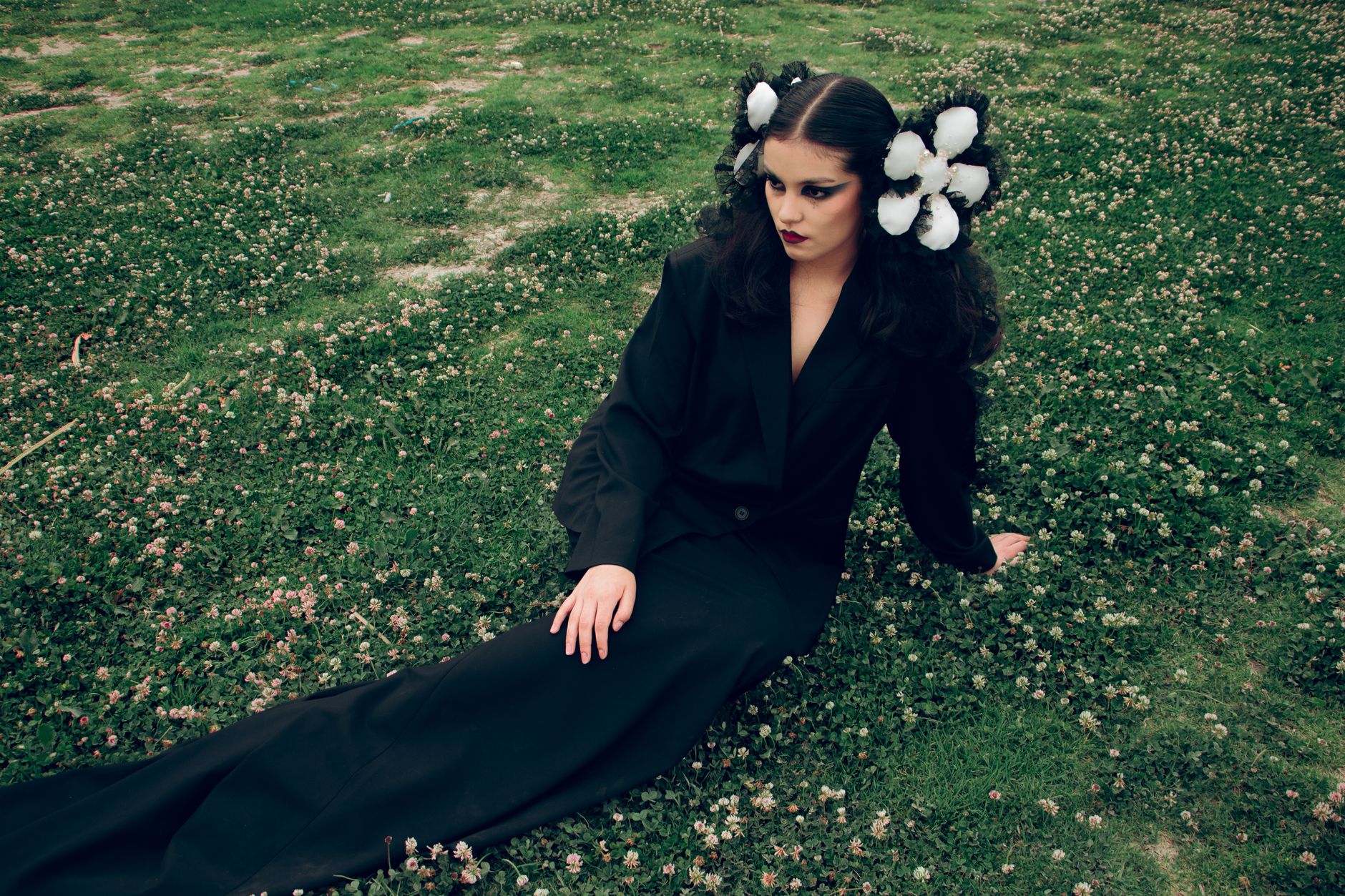
Demeulemeester’s design language was always built on opposition – darkness against delicacy, structure against drape, rigidity against skin. Her original collections at her Antwerp-founded house were not exercises in wearability. They were arguments about what clothes could refuse to do: refuse to flatter, refuse to simplify, refuse to meet the wearer halfway. That position, radical in the 1990s, became so widely imitated that the vocabulary lost some of its edge. By the time she departed, the aesthetic she pioneered had been absorbed into mainstream luxury as “mood dressing” and “tonal layering.” Words that once described rebellion had become Pinterest categories.
The gap she left was filled quickly, and then overfilled. A generation of designers – many trained in the Belgian school of thought she helped define – carried variations of that darkness into the market. Some did it with integrity. Most did it with commercial padding. The result was that by the mid-2010s, what had once felt like a specific and demanding artistic position felt, to many in fashion, like a genre. Her return is a reminder that there is a difference between speaking a language and inventing it.
What the New Work Actually Does
The collections she has produced since returning are not loud about their ambitions. That restraint is itself a statement. Runway images circulate without the usual apparatus of celebrity placement, front-row spectacle, or social media campaigns built around the show experience. The clothes are photographed as objects first, worn things second. There is something almost archaeological about the presentation – as if the garments arrived from somewhere and are being documented rather than sold.
Structurally, the work continues her long obsession with the body as architecture. Shoulders that refuse conventional tailoring, necklines that open in directions that feel almost anatomically unconventional, hems that break at points that have no obvious logic until you see them in motion. But there is less drama in the silhouette now, and more density in the material choices. The theatricality that occasionally tipped into costume territory in her earlier work has been replaced by something more austere. The clothes do not perform. They simply exist, and expect you to meet them there.
This is where her return creates genuine friction in the avant-garde conversation. A number of younger designers have built strong critical reputations on exactly the kind of cerebral, anti-commercial positioning that Demeulemeester helped establish. When she is active and producing work that operates at that level, it changes the hierarchy implicitly. It does not erase what they have built, but it reframes the reference point. You cannot cite the source if the source is still speaking.
There is also the question of how the fashion press handles a figure who does not need rediscovery. The standard narrative of a comeback requires a period of irrelevance to make the return feel dramatic. Demeulemeester was never irrelevant – she was simply absent. The distinction matters because it removes the sentimental scaffold from the story. Critics who would normally frame a return around cultural context or shifting taste instead have to engage with the work directly. That is a more uncomfortable assignment than it sounds.
The Avant-Garde’s Uncomfortable Mirror
Fashion’s avant-garde has a complicated relationship with its own founding figures. There is reverence, certainly, but also a quiet territorial instinct – a preference that the architects of the movement stay in their proper historical position rather than continuing to occupy present-tense space. Demeulemeester’s return does not honor that preference. She is not participating in retrospectives or accepting lifetime achievement framing. She is designing, season after season, with no apparent interest in being contextualized.
This creates an odd pressure within a community that defines itself partly through references to her. Designers who have built careers in her shadow now share critical oxygen with the original source. Fashion educators who teach her work as historical text now have to account for its present tense. The discomfort is not hostility – it is closer to the feeling of discovering that a foundational text has a new chapter you weren’t told about.
Why the Timing Feels Deliberate
She returned at a moment when fashion’s relationship with darkness and difficulty is genuinely contested. Maximalism, dopamine dressing, and relentless color have dominated the commercial conversation for several cycles. The idea that clothes should be hard – emotionally, intellectually, even physically – has not disappeared, but it has been defensive, arguing for its own relevance rather than simply producing. Demeulemeester does not argue. She produces.
The Architectura arrangement gives her something she did not have at her original house: distance from the business pressures that eventually shape every founder’s vision. Whether that distance is complete is difficult to know from the outside, but the output suggests more creative latitude than a traditional luxury house arrangement would permit. The collections are small by industry standards. The distribution is selective. There is no evidence of the kind of scale-chasing that typically compromises a designer’s edge over time.
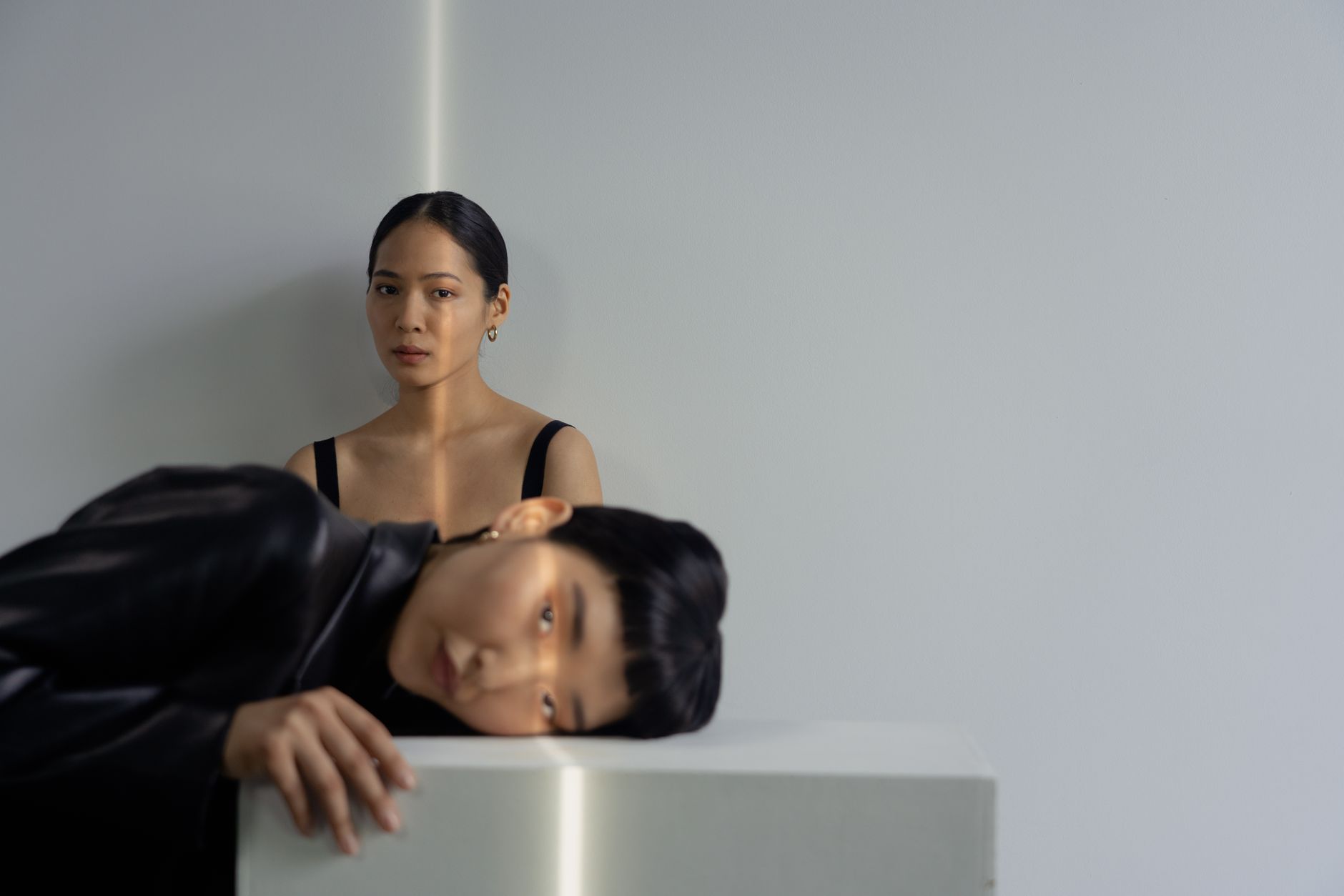
What the avant-garde community is quietly reckoning with is the possibility that the most sophisticated critique of where fashion is now is not coming from a newcomer working to establish a position, but from a designer who already established one decades ago and simply kept going. There is no easy critical framework for that. The conversation about who owns the radical space in fashion usually assumes a generational transfer. Demeulemeester is not transferring anything. She is still holding it.