



Silicon Valley executive Sarah Chen watches her 12-year-old son practice League of Legends combos with the same intensity she once reserved for piano lessons. But this isn’t casual gaming – it’s a structured session with Marcus Rodriguez, a former professional esports player who now charges $150 per hour to coach young gamers.
Chen isn’t alone. Across affluent communities in New York, Los Angeles, and tech hubs nationwide, parents are hiring professional gaming coaches to give their children competitive advantages in esports. What was once dismissed as screen time is now treated as seriously as traditional sports, complete with structured training, performance analytics, and scholarship opportunities.
The shift represents more than just changing attitudes toward gaming. These parents recognize that competitive gaming has evolved into a billion-dollar industry with college scholarships, professional contracts, and career paths that didn’t exist a generation ago. Universities like UC Irvine, Robert Morris, and Ohio State now offer esports scholarships worth thousands of dollars. Professional gamers in popular titles like Fortnite, Valorant, and Counter-Strike can earn six-figure salaries through tournament winnings, sponsorships, and streaming revenue.
The Business Case for Gaming Excellence
Professional gaming coaches typically charge between $50 to $200 per hour, depending on their credentials and the games they specialize in. Many are former professional players or high-ranked competitors who understand the mechanical skills, strategic thinking, and mental preparation required for elite play.
Coach training sessions focus on specific aspects of gameplay that separate casual players from competitors. For first-person shooters like Valorant or CS2, coaches work on aim training, crosshair placement, and map awareness. For strategy games like League of Legends or Dota 2, sessions cover champion mechanics, team coordination, and objective control. Real-time strategy games require different skills entirely – resource management, build orders, and tactical decision-making under pressure.
The coaching goes beyond gameplay mechanics. Professional coaches teach time management, helping young players balance gaming practice with academics. They introduce concepts familiar to traditional sports – goal setting, performance review, and structured practice schedules. Some coaches even work with sports psychologists to address gaming anxiety and competitive pressure.
Parents investing in these services often point to concrete results. Students report climbing ranked ladders faster, joining competitive teams at their schools, and developing skills that translate beyond gaming. Strategic thinking, quick decision-making, and team coordination are abilities that serve players well in academic and professional settings.
Esports Infrastructure Mirrors Traditional Sports
The infrastructure supporting competitive gaming now mirrors traditional youth sports in remarkable ways. High schools across the country have launched varsity esports programs, with states like Illinois, Georgia, and Rhode Island recognizing esports as official high school sports. The National Association of Collegiate Esports includes over 170 member schools offering more than $16 million in scholarships.
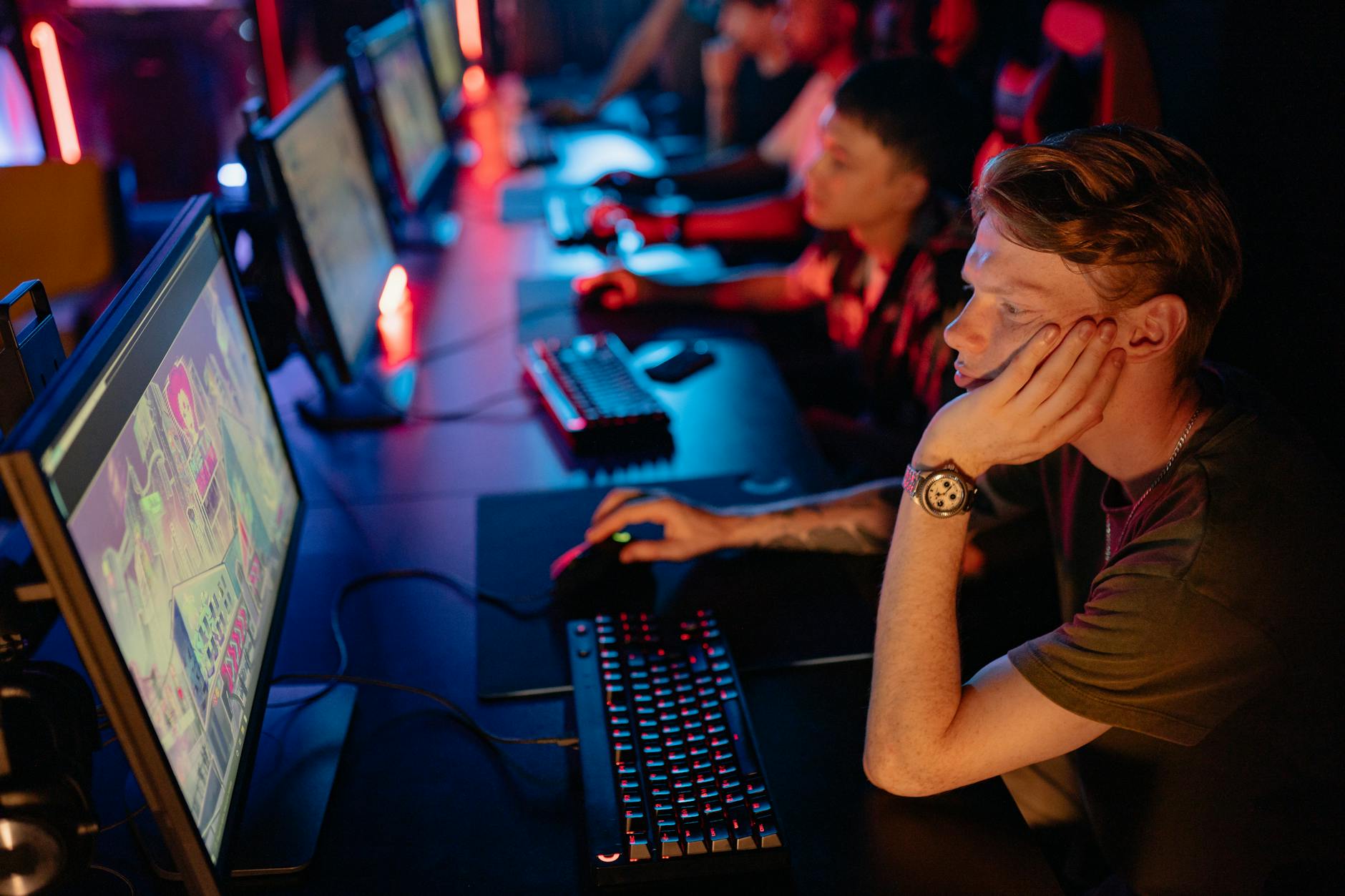
Private gaming facilities are emerging in major metropolitan areas, offering dedicated practice spaces with high-end equipment. These venues provide low-latency internet connections, professional-grade gaming peripherals, and coaching services similar to elite tennis academies or basketball training centers. Some facilities offer summer camps and intensive training programs designed to prepare students for collegiate competition.
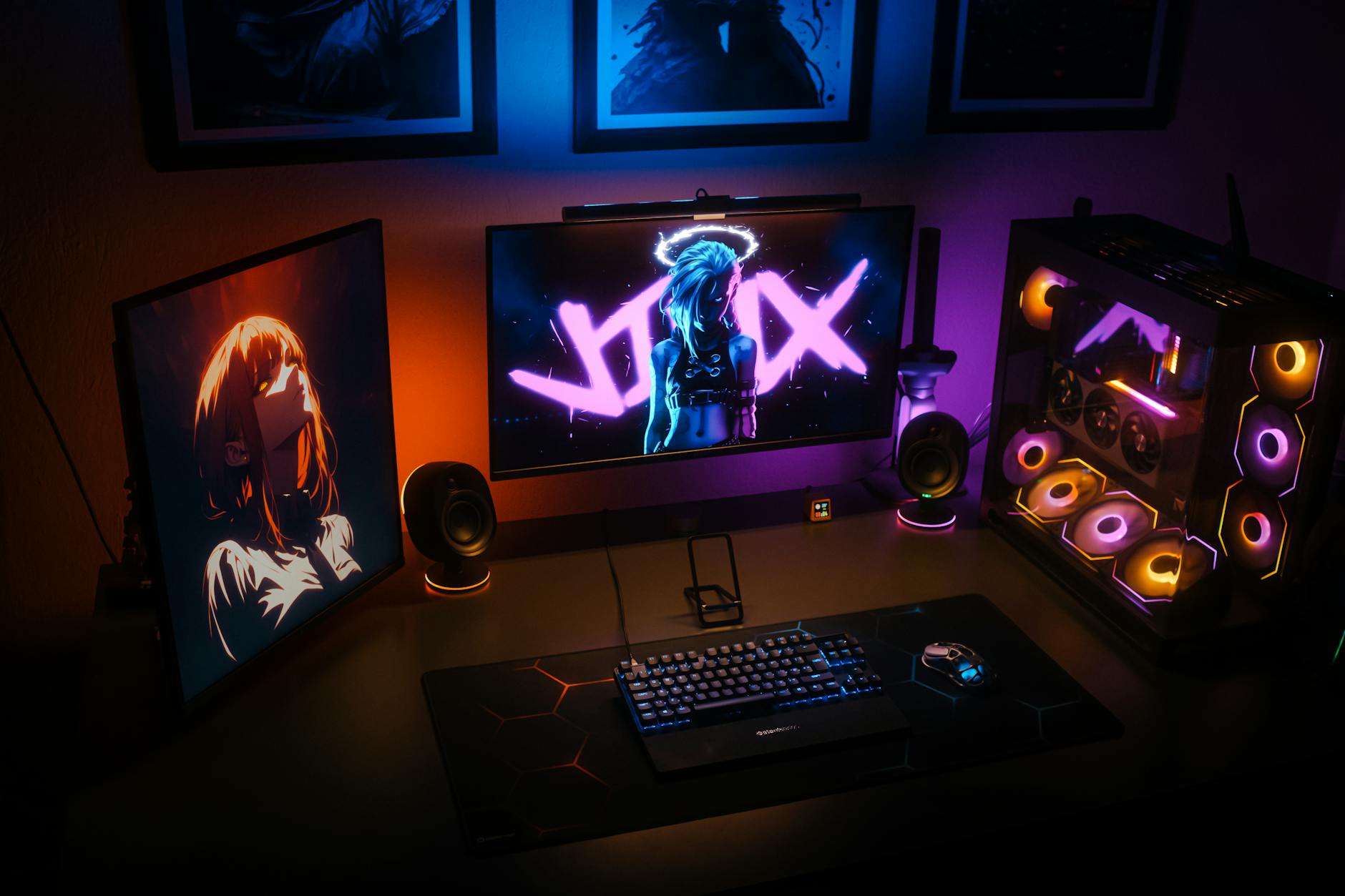
Gaming equipment itself has become increasingly sophisticated and expensive. Professional-level setups can cost thousands of dollars – mechanical keyboards designed for specific game inputs, mice with adjustable sensitivity settings, monitors with ultra-low input lag, and custom-built computers capable of running games at competitive frame rates. Parents are making these investments with the same calculation they might apply to golf clubs or tennis rackets.
The legitimacy of esports continues growing through mainstream recognition. Traditional sports organizations like the NFL, NBA, and Formula 1 have created their own esports leagues. Major brands including Mercedes-Benz, Mastercard, and Red Bull sponsor esports teams and tournaments. This corporate involvement validates esports as a serious competitive arena worthy of professional investment.
Skills That Transfer Beyond the Screen
Professional gaming coaches emphasize transferable skills that extend well beyond entertainment. Competitive gaming requires rapid information processing, strategic planning, and real-time problem solving under pressure. Players must analyze complex situations, make split-second decisions, and adapt to changing circumstances – abilities that prove valuable in academic and professional contexts.
Team-based games specifically develop leadership and communication skills. Players learn to coordinate with teammates, provide constructive feedback, and maintain composure during high-stress situations. Many coaches incorporate leadership training into their sessions, teaching young players how to be effective team captains and strategic callers.
The analytical aspects of modern gaming appeal particularly to parents in technology and finance sectors. Professional players study game statistics, analyze opponent strategies, and use data to improve performance. These analytical skills align with educational priorities in STEM fields and prepare students for data-driven career paths.
Time management becomes crucial for students balancing gaming practice with academic requirements. Professional coaches help establish schedules that prioritize schoolwork while maintaining consistent practice routines. Many report that students develop better organizational skills and self-discipline through structured gaming programs.
Similar to how [Fortune 500 CEOs are hiring professional memory coaches](https://vippiy.com/why-fortune-500-ceos-are-hiring-professional-memory-coaches/) to enhance cognitive performance, parents view gaming coaches as specialists who can unlock their children’s potential in a rapidly growing field.
The Economics of Competitive Gaming
The financial opportunities in esports continue expanding, making parental investment increasingly logical. Tournament prize pools for major competitions regularly exceed millions of dollars. The International, Dota 2’s annual championship, consistently features prize pools over $30 million. Fortnite World Cup awarded $30 million in prizes during its inaugural year, with the solo champion earning $3 million.
Beyond tournament winnings, successful gamers generate income through streaming, content creation, and brand partnerships. Popular streamers on platforms like Twitch and YouTube earn substantial revenue through subscriptions, donations, and advertising partnerships. Professional players often supplement competition earnings with streaming income, creating multiple revenue streams within the gaming ecosystem.
College scholarships represent the most immediate return on coaching investment for most families. Esports scholarships range from partial tuition assistance to full rides at major universities. Students who might not qualify for traditional athletic scholarships can leverage gaming skills for significant educational funding.
The career paths emerging from competitive gaming extend beyond playing professionally. The esports industry requires broadcast talent, analysts, coaches, team managers, event organizers, and marketing specialists. Students who develop expertise in competitive gaming often find opportunities in related fields even if they don’t become professional players.
Professional gaming coaching represents a calculated investment in a legitimate competitive arena with growing opportunities and recognition. As universities expand esports programs and the industry continues maturing, parents who invest in gaming coaches today position their children for advantages in both education and emerging career fields.
The trend reflects broader changes in how parents approach their children’s extracurricular activities and skill development. Just as [executives are hiring professional digital detox coaches](https://vippiy.com/why-executives-are-hiring-professional-digital-detox-coaches/) to manage technology’s impact on productivity, wealthy parents are leveraging professional expertise to maximize their children’s potential in digital spaces.
The gaming coaching industry will likely expand as esports continue gaining mainstream acceptance and financial rewards grow. Parents who recognize gaming as a legitimate competitive pursuit are positioning their children for opportunities in a rapidly evolving landscape where digital skills command real-world rewards.
Frequently Asked Questions
How much do professional gaming coaches charge?
Professional gaming coaches typically charge between $50 to $200 per hour, depending on their credentials and specialization.
Are there college scholarships for esports?
Yes, over 170 colleges offer esports scholarships totaling more than $16 million, with opportunities ranging from partial to full tuition coverage.