



The Hidden Burden of Extreme Wealth
Marie Kondo’s decluttering philosophy took the world by storm, but for America’s ultra-wealthy families, the challenge of managing possessions goes far beyond folding sweaters and organizing closets. These families own multiple properties, extensive art collections, designer wardrobes spanning decades, and luxury items that require specialized care. Now, they’re turning to professional decluttering consultants who charge upwards of $300 per hour to tackle their unique organizational challenges.
Unlike traditional organizing services, these elite consultants navigate complex family dynamics, handle valuable assets, and coordinate with household staff across multiple residences. The ultra-wealthy decluttering industry has emerged as wealthy families realize that their abundance of possessions has become a liability rather than just a luxury.
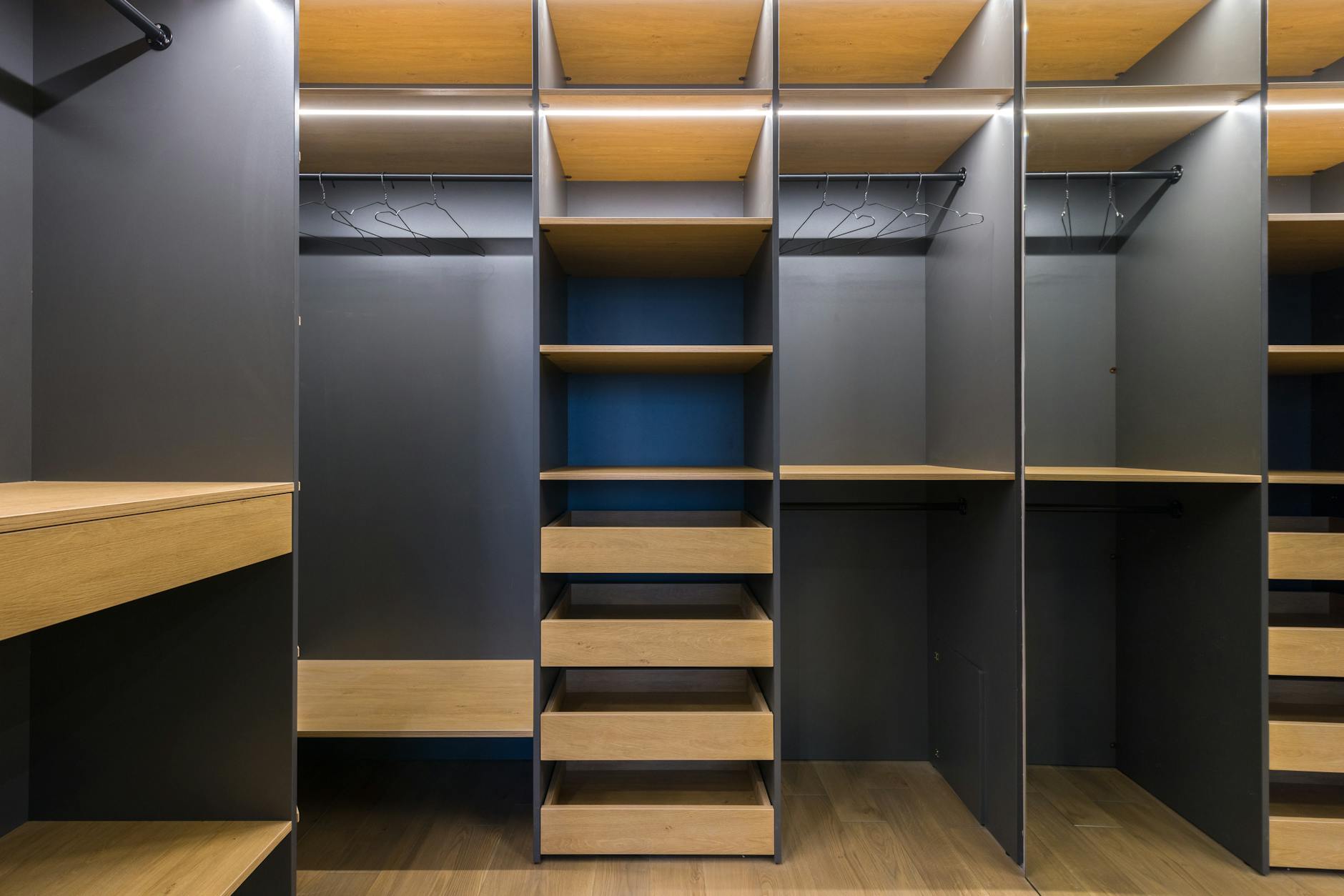
Beyond Marie Kondo: The Complexity of Luxury Possessions
Professional decluttering for the wealthy involves far more than deciding what sparks joy. These consultants work with families who might own five homes, each fully furnished and decorated by different interior designers. They handle vintage Hermès collections, rare wine cellars, and art pieces that require climate-controlled storage and insurance documentation.
Jennifer Walsh, who runs a high-end organizing consultancy in Manhattan, explains that wealthy clients often accumulate possessions across generations. “We’re not just dealing with one person’s shopping habits,” she says. “We’re managing inherited furniture from grandparents, children’s outgrown designer clothes, and collections that span decades.”
The process requires expertise in luxury goods authentication, proper storage techniques for valuable items, and knowledge of resale markets for high-end products. These consultants often work with auction houses, luxury consignment shops, and charitable organizations that specialize in high-value donations.
Many wealthy families discover they’ve been storing duplicate items across properties without realizing it. One consultant recently helped a family who had purchased four identical dining room sets for different homes, then forgotten about three of them when they moved to smaller residences.
The Psychology Behind Luxury Accumulation
Wealth enables unlimited acquisition, but it doesn’t necessarily bring organizational skills or decision-making clarity about possessions. Many ultra-wealthy individuals grew up with abundance and never learned to evaluate the true value of items or make difficult choices about what to keep.
Professional consultants report that their wealthy clients often struggle with guilt about discarding expensive items, even when they haven’t used them in years. A $5,000 designer dress worn once creates a different emotional burden than a $50 dress with the same usage pattern.

The emotional attachment to luxury goods runs deeper because these items often represent milestones, achievements, or significant life events. That first Rolex, the art piece bought during a memorable vacation, or the designer gown worn to an important gala carries meaning beyond its monetary value.
Some wealthy families also face pressure from relatives who view expensive possessions as family heirlooms, even when the items no longer serve any practical purpose. Consultants help navigate these family dynamics while respecting both practical needs and emotional attachments.
Managing Multiple Properties and Staff
Wealthy families with multiple residences face unique challenges in tracking possessions across properties. Items migrate between homes through household staff, family members, or seasonal moves, creating inventory nightmares that require professional intervention.
Professional decluttering consultants create comprehensive inventory systems that track valuable items across all properties. They work with house managers, personal assistants, and security teams to ensure valuable possessions are properly documented and secured.
The coordination extends beyond just tracking items. These consultants help establish protocols for staff members about moving items between properties, seasonal storage procedures, and maintenance schedules for valuable possessions.
The Business of Elite Organization
The market for luxury decluttering services has expanded rapidly as wealth inequality has grown and more families find themselves managing complex estates. These consultants often hold credentials in luxury goods authentication, estate planning, or art history in addition to organizational training.
Services typically include comprehensive property audits, digital inventory creation with photographs and valuations, and ongoing maintenance programs. Some consultants offer family education programs to help prevent future accumulation problems and teach decision-making skills around luxury purchases.

The most successful consultants in this space develop relationships with luxury retailers, auction houses, and specialized storage facilities. They can arrange for proper conservation of valuable textiles, coordinate with art handlers for collection reorganization, and facilitate tax-advantaged charitable donations of high-value items.
Many wealthy families discover that professional decluttering actually increases the value of their possessions by ensuring proper care and storage of valuable items that were previously neglected or improperly maintained.
Looking Forward: Sustainable Luxury Living
The trend toward professional decluttering among the ultra-wealthy reflects a broader cultural shift toward mindful consumption, even among those with unlimited purchasing power. These families are recognizing that accumulating possessions without purpose creates stress and reduces the enjoyment of truly meaningful items.
As younger generations inherit wealth, they’re bringing different values to luxury ownership. Many prefer experiences over possessions and view extensive collections as burdens rather than status symbols. Professional decluttering consultants are adapting their services to help families transition valuable collections to museums, establish charitable foundations, or create family legacy programs.
The luxury decluttering industry is expected to grow as wealth continues to concentrate among fewer families and as these families seek to balance abundance with purposeful living. The most successful approaches combine practical organization skills with understanding of luxury goods markets and family psychology, creating a specialized field that didn’t exist a decade ago but now commands premium fees for addressing the unique challenges of extreme wealth.
Frequently Asked Questions
How much do professional decluttering consultants for wealthy families charge?
Elite decluttering consultants typically charge $300+ per hour and may require multi-day or ongoing contracts for complex estates.
What makes decluttering for wealthy families different from regular organizing?
Wealthy families own multiple properties, valuable collections, and luxury items requiring specialized handling, authentication, and coordination with household staff.