



Silicon Valley’s most powerful executives are discovering something their algorithms can’t solve: authentic human connection. Behind closed doors, tech CEOs from major companies are quietly hiring a new type of professional consultant – friendship coaches who specialize in helping high-achieving individuals build genuine relationships.
This emerging trend reflects a growing recognition among tech leaders that their success has come at a personal cost. Years of prioritizing growth metrics and market dominance have left many isolated from meaningful friendships, struggling with trust issues, and lacking the social skills needed to connect with others outside their professional bubble.
Professional friendship coaching has emerged as a specialized field within the broader executive coaching industry. These consultants help clients understand relationship dynamics, develop emotional intelligence, and practice authentic communication in low-stakes environments before applying these skills in their personal lives.

The Isolation of Tech Success
The demanding nature of building and leading tech companies creates unique social challenges. Many CEOs report spending 12-16 hours a day focused on business decisions, leaving little time or energy for cultivating personal relationships. The competitive environment of Silicon Valley also makes it difficult to trust potential friends, as networking often blurs the line between genuine connection and strategic advantage.
According to industry observers, tech executives face additional barriers to friendship formation. Their wealth and status can intimidate potential friends or attract those with ulterior motives. The technical nature of their work creates communication gaps with non-tech individuals, while their high-pressure lifestyles don’t align with typical social activities.
This isolation has real consequences for mental health and decision-making. Research consistently shows that meaningful friendships reduce stress, improve cognitive function, and provide emotional support during challenging periods. For leaders making decisions that affect thousands of employees and millions of users, the stakes of social isolation extend beyond personal wellbeing.
The problem has intensified as remote work became more prevalent. Even tech leaders who previously had casual office interactions now find themselves more isolated than ever, communicating primarily through screens and missing the spontaneous connections that can develop into friendships.
What Friendship Coaches Actually Do
Friendship coaches work differently than traditional therapists or life coaches. They focus specifically on the practical skills needed to build and maintain adult friendships. Sessions might include role-playing conversations, analyzing social situations, and developing strategies for meeting like-minded individuals outside of work contexts.
Many coaches help clients identify their authentic interests beyond technology and business. They work on developing hobbies, exploring creative pursuits, or engaging with causes that can serve as natural friendship foundations. The goal is to give clients genuine talking points and shared activities that don’t revolve around their professional identity.
Communication skills form a major component of the coaching. Executives who excel at presenting to boards or negotiating deals often struggle with casual conversation, active listening, or showing vulnerability – all essential elements of friendship. Coaches provide safe spaces to practice these softer skills without the professional consequences of mistakes.
Some friendship coaches specialize in helping clients navigate the transition from professional relationships to personal ones. They teach boundaries, appropriate self-disclosure, and how to separate business networking from genuine friend-making. This distinction proves particularly challenging for individuals whose careers have been their primary source of social interaction.

Beyond Traditional Executive Coaching
The rise of friendship coaching represents an evolution in how successful professionals approach personal development. While executive coaching focuses on leadership skills and business performance, friendship coaching addresses the human needs that traditional business education overlooks.
This trend connects to broader movements toward holistic wellness among high achievers. Just as younger adults are increasingly hiring life coaches to navigate career and relationship decisions, successful executives are recognizing that professional achievement alone doesn’t guarantee life satisfaction.
The coaching often extends beyond friendship formation to include family relationships and community engagement. Many tech leaders report feeling disconnected not just from friends but from their broader communities, having spent years focused exclusively on their companies and industry networks.
Some coaches incorporate elements from social psychology and behavioral science to help clients understand relationship patterns and overcome limiting beliefs about friendship. They address perfectionist tendencies that can make it difficult to accept the imperfections inherent in human relationships.
A Shift Toward Human Connection
The emergence of friendship coaching among tech executives signals a broader cultural shift within Silicon Valley. The industry that pioneered digital connection is increasingly recognizing the irreplaceable value of in-person, authentic human relationships.
This trend parallels other lifestyle changes among successful tech professionals, such as the movement toward remote work in nature-rich environments and increased focus on mental health and work-life balance. It reflects a maturing industry beginning to prioritize human needs alongside technological advancement.
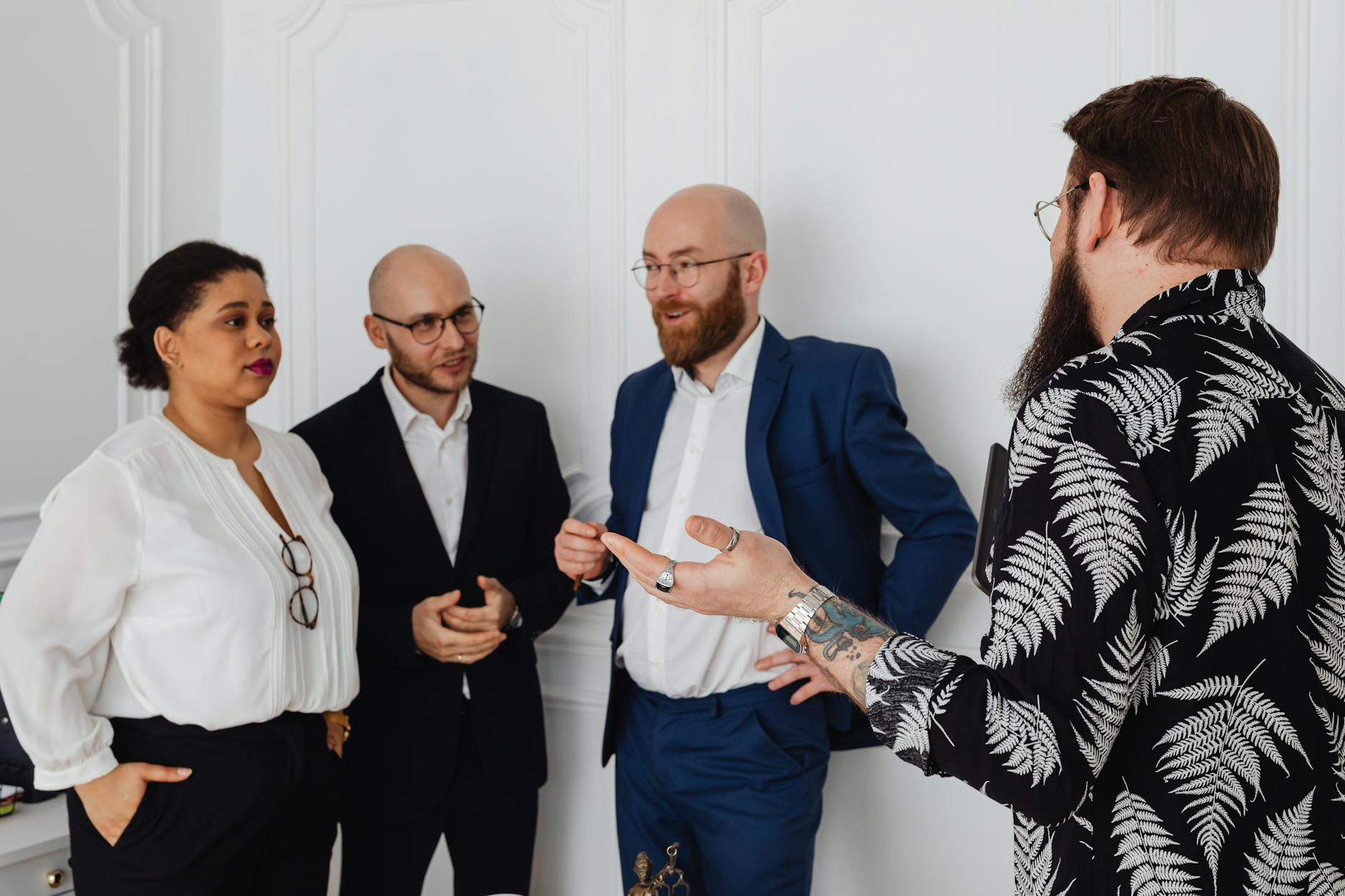
Some coaches report that their most successful clients approach friendship formation with the same systematic thinking they apply to business problems. They set goals for social connections, track their progress, and iterate on their approaches based on results. While this might seem clinical, it provides a familiar framework for individuals who are more comfortable with structured approaches to personal growth.
The investment in friendship coaching also demonstrates a growing understanding that leadership extends beyond professional contexts. CEOs are recognizing that their ability to connect authentically with others affects every aspect of their lives, from family relationships to employee engagement to personal fulfillment.
As this trend continues to grow, it may reshape how successful professionals think about achievement and success metrics. The executives leading tomorrow’s most innovative companies are discovering that true leadership requires not just technological vision, but the deeply human ability to form meaningful connections with others. This shift suggests that the future of business leadership will be more emotionally intelligent, more connected, and ultimately more human than ever before.
Frequently Asked Questions
What does a friendship coach do?
Friendship coaches help clients develop social skills, practice authentic communication, and create strategies for building meaningful personal relationships.
Why do tech CEOs struggle with friendship?
Long work hours, trust issues, wealth disparities, and communication gaps with non-tech individuals create barriers to forming genuine friendships.