


The average guest at a luxury hotel loses 45 minutes of sleep per night compared to sleeping at home. That statistic has caught the attention of hotel executives worldwide, who are now investing millions into specialized sleep optimization programs that go far beyond thread count and blackout curtains.
From The Ritz-Carlton’s partnership with sleep specialists to Four Seasons’ circadian lighting systems, luxury hospitality is embracing the science of rest as guests increasingly view quality sleep as the ultimate luxury amenity. These programs represent a fundamental shift from traditional hospitality offerings, addressing everything from jet lag recovery to stress-induced insomnia through cutting-edge technology and personalized wellness protocols.
The Science Behind Hotel Sleep Solutions
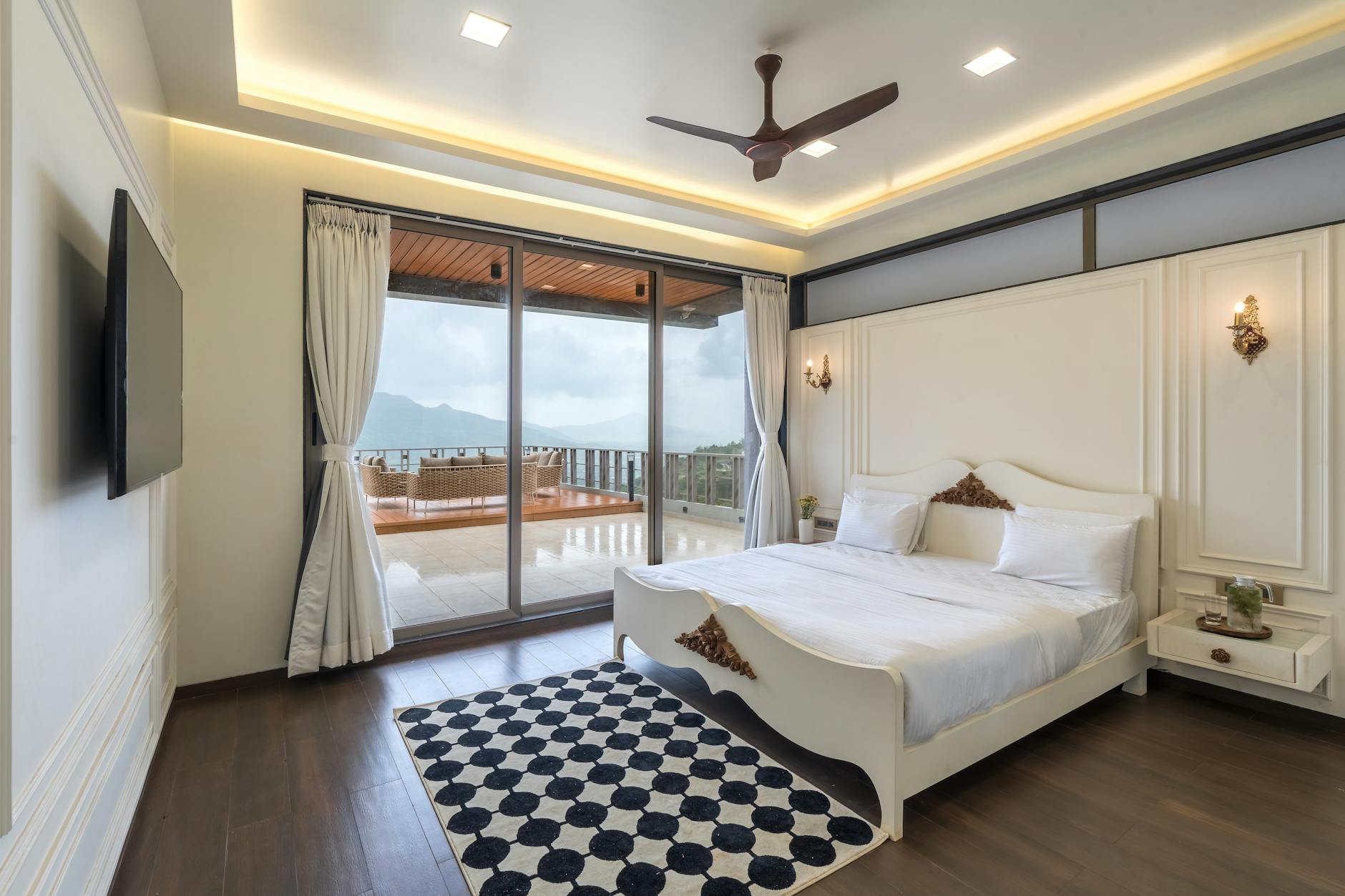
Sleep optimization programs at luxury hotels incorporate evidence-based approaches developed by sleep medicine experts and wellness researchers. The St. Regis Hotels has collaborated with neuroscientists to design rooms that regulate melatonin production through specialized lighting that mimics natural circadian rhythms. Guests can adjust their room’s lighting throughout the day to maintain their body’s natural sleep-wake cycle, particularly beneficial for international travelers crossing multiple time zones.
Temperature regulation plays a crucial role in these programs. The Peninsula Hotels have introduced precision climate control systems that automatically adjust room temperature throughout the night, typically dropping by 2-3 degrees during optimal sleep phases. Research shows that cooler sleeping environments enhance deep sleep stages, leading to better recovery and cognitive function.
Air quality monitoring has become another cornerstone of luxury sleep programs. Aman Resorts integrates advanced air purification systems with real-time monitoring of humidity, allergens, and pollutants. Their rooms maintain optimal oxygen levels and eliminate common sleep disruptors like dust particles and chemical odors from cleaning products.
Sound management extends beyond simple noise reduction. The Park Hyatt chain has developed acoustic environments using specific frequencies that promote relaxation and mask disruptive urban sounds. Some properties offer curated soundscapes featuring natural elements like ocean waves or forest ambiance, calibrated to frequencies that support deep sleep phases.
Personalized Sleep Assessments and Coaching
Luxury hotels are incorporating comprehensive sleep assessments as part of their wellness offerings. The Mandarin Oriental group provides guests with detailed sleep consultations conducted by certified sleep specialists. These sessions analyze individual sleep patterns, stress levels, and lifestyle factors that might impact rest quality during travel.
Guests receive personalized recommendations that extend beyond their hotel stay. Sleep coaches work with visitors to develop sustainable bedtime routines, breathing exercises, and relaxation techniques they can implement at home. This approach transforms a hotel stay into a learning experience that benefits long-term health and wellness.
Wearable technology integration allows hotels to offer data-driven insights into guest sleep quality. Several luxury chains now provide complimentary sleep tracking devices that monitor heart rate variability, movement patterns, and sleep cycle progression. Guests wake up to detailed reports showing their sleep efficiency and recommendations for improvement.
Dietary consultation forms another component of personalized sleep programs. Hotel nutritionists work with guests to identify foods and beverages that might interfere with sleep quality. Many properties now offer specialized room service menus featuring ingredients known to support natural melatonin production and reduce nighttime inflammation.
Technology Integration and Smart Room Features
Smart room technology has evolved to support optimal sleep environments through automated systems that respond to individual preferences and physiological needs. The Edition Hotels incorporate sensors that detect when guests enter sleep phases and automatically adjust lighting, temperature, and even mattress firmness to support deeper rest.
Mattress technology represents a significant investment area for luxury properties. Several hotel groups have partnered with sleep technology companies to develop beds that adjust firmness zones for different body areas, provide targeted support for pressure points, and even incorporate gentle vibration patterns that can help induce relaxation.
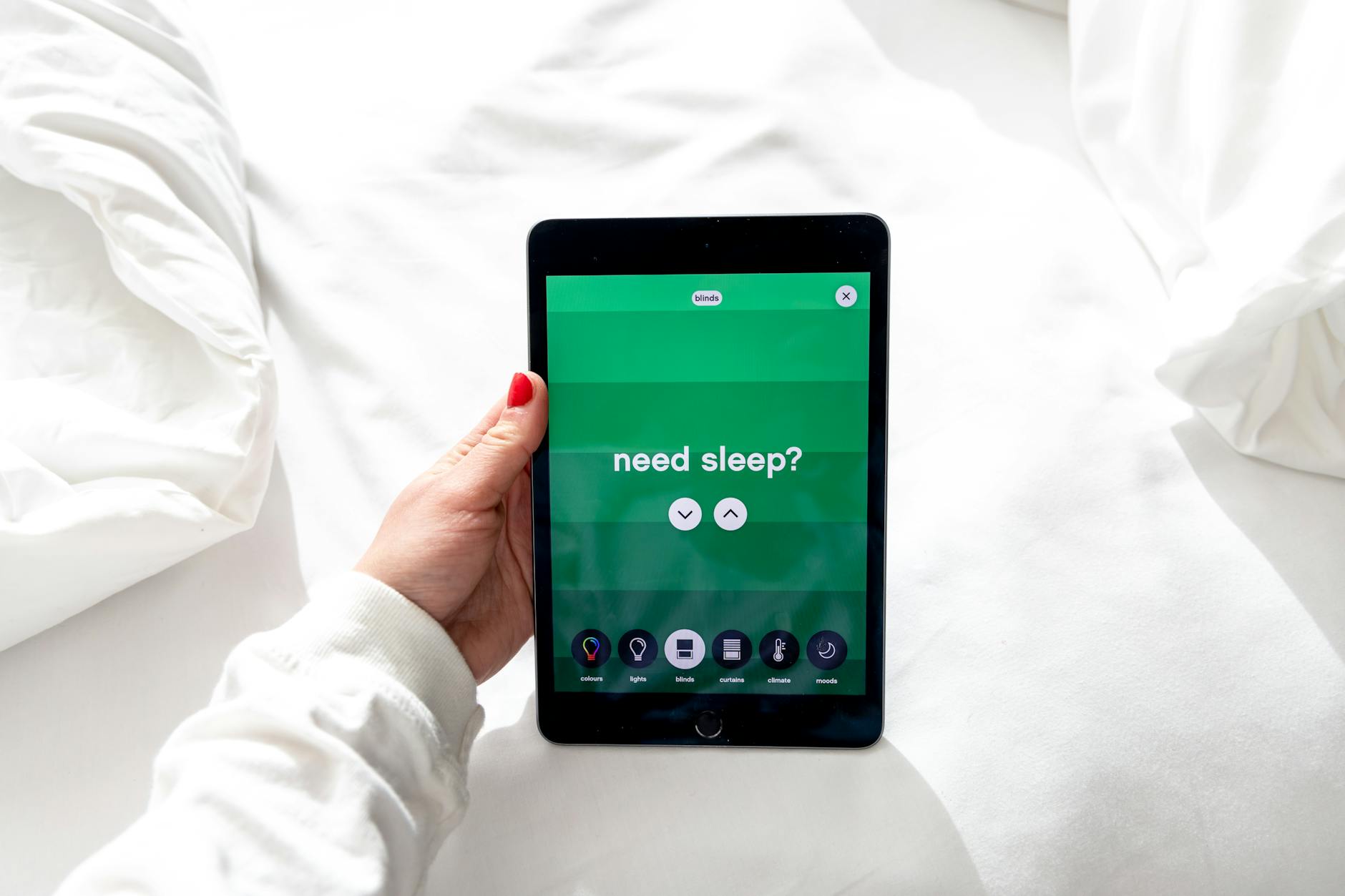
Blackout technology has advanced beyond traditional curtains to include electrochromic glass that can instantly switch from transparent to opaque, eliminating light pollution while maintaining views during daytime hours. Some suites feature complete darkness environments that can be activated with voice commands or smartphone apps.
White noise and sound masking systems integrate with room automation to provide consistent acoustic environments throughout the night. Advanced systems can detect external noise intrusions and automatically adjust internal sound levels to maintain optimal sleep conditions.
Aromatherapy and Sensory Optimization
Scent plays a crucial role in sleep quality, leading luxury hotels to incorporate sophisticated aromatherapy systems into their sleep programs. The Bulgari Hotels have developed signature scent profiles using lavender, chamomile, and sandalwood that are diffused through HVAC systems at specific concentrations proven to promote relaxation.
Essential oil programs allow guests to customize their room’s aromatherapy experience based on personal preferences and sleep goals. Some properties offer pre-arrival consultations where guests select from curated scent profiles designed for different needs: jet lag recovery, stress reduction, or enhanced dream quality.
Textile selection extends to every surface in optimized sleep environments. Hotels invest in bedding materials that regulate temperature, wick moisture, and feel luxurious while supporting healthy sleep postures. Bamboo fibers, organic cotton, and specialized synthetic blends are chosen based on their sleep-supporting properties rather than purely aesthetic considerations.

The Future of Hotel Sleep Wellness
The luxury hotel industry’s investment in sleep optimization reflects broader consumer trends toward wellness-focused travel experiences. Guests increasingly view their hotel stay as an opportunity for health improvement rather than just accommodation, driving demand for services that provide lasting benefits beyond the vacation period.
Recovery tourism is emerging as a significant market segment, with travelers specifically booking hotels based on their sleep and wellness programs rather than traditional amenities like pools or restaurants. This shift is reshaping how luxury properties design their guest experiences and allocate their service budgets.
Industry experts predict that sleep optimization will become a standard offering at luxury hotels within the next five years, similar to how spa services became ubiquitous in the premium hospitality sector. Hotels that fail to invest in comprehensive sleep programs may find themselves at a competitive disadvantage as consumer awareness of sleep’s impact on health continues to grow.
The integration of artificial intelligence and machine learning will likely enhance personalization capabilities, allowing hotels to predict guest sleep needs based on travel patterns, seasonal factors, and individual health data. As these programs mature, luxury hotels are positioning themselves not just as places to stay, but as partners in their guests’ long-term wellness journeys.
Frequently Asked Questions
What makes hotel sleep optimization programs different from regular amenities?
These programs use science-based approaches including circadian lighting, personalized sleep assessments, and advanced climate control rather than just comfortable bedding.
Do these sleep programs help with jet lag recovery?
Yes, many programs specifically address jet lag through specialized lighting systems and sleep coaching designed to reset circadian rhythms for different time zones.