


The Flat That Doesn’t Try
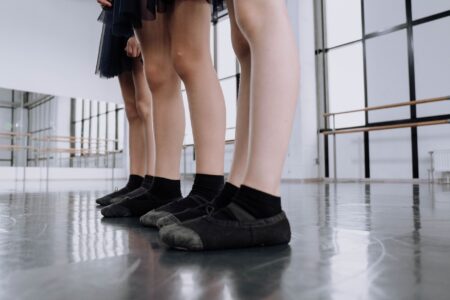
The ballet flat has ruled casual luxury for over a decade – effortless, French-girl coded, endlessly photographed on cobblestone streets. But something has been shifting in the wardrobes of women who shop very carefully and buy very rarely. The Row’s Morgane flat, a shoe so restrained it barely registers as a design decision, is quietly pulling focus away from its more recognizable predecessor.
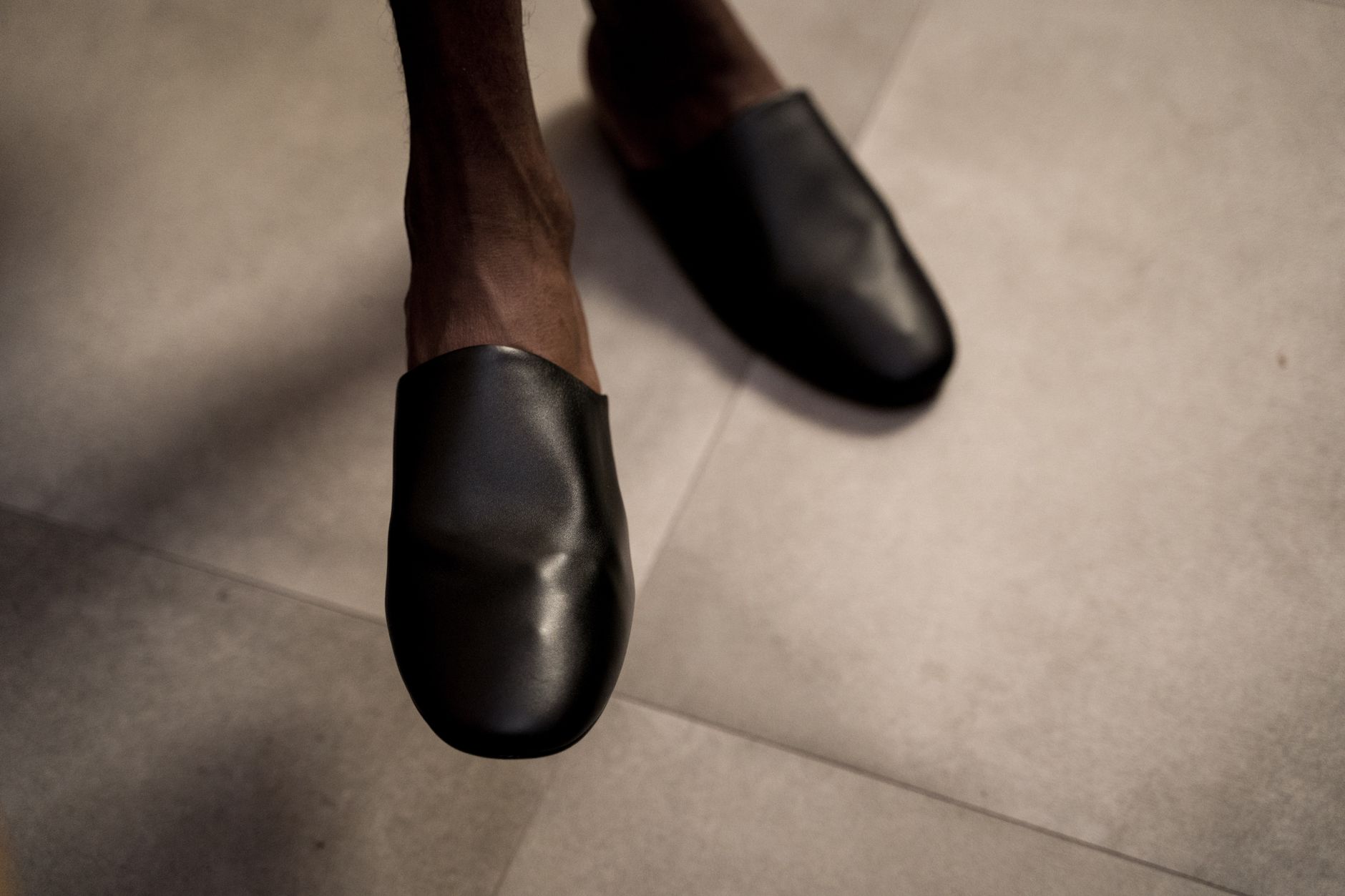
The Morgane is not a dramatic shoe. It has no bow, no pointed toe, no heritage silhouette borrowed from a dance studio. It is, at its core, a rounded-toe leather flat with a barely-there sole and a fit so precise it looks painted on. That precision is exactly what is drawing a particular kind of buyer away from the ballet flat’s familiar territory.
What Makes the Morgane Different
The ballet flat’s appeal was always rooted in its lightness – in the suggestion of movement, of someone who grabbed a shoe quickly and looked polished anyway. The Morgane operates from a completely different design logic. Where the ballet flat mimics informality, the Morgane simply is the shoe. There is no styling vocabulary attached to it, no cultural shorthand. It does not whisper “Paris” or “studio” or “off-duty.” It whispers nothing at all, which, for The Row’s customer, is the point.
Construction is where the Morgane earns its price. The leather is substantial without being stiff, and the last – the foot-shaped form around which the shoe is built – is cut to hug the arch and heel in a way that most flats, including classic ballet styles, do not bother with. Women who have worn both tend to describe the difference in tactile terms: the Morgane feels finished in a way that ballet flats, even expensive ones, can feel casual by comparison.
The Row has always built its reputation on making things that look almost identical to their cheaper counterparts but feel entirely different when you’re actually wearing them. The Morgane is that philosophy applied to footwear. On a hanger, or in a product photo, it reads as a plain leather flat. In person, the quality of the leather, the weight of the sole, and the structure of the toe box tell a different story. That gap between what the shoe looks like and what it actually is tends to resonate with buyers who are done with conspicuous signals.
It also helps that the Morgane has no bow. The bow on a ballet flat has become something of a liability – once so charming it anchored an entire aesthetic, now carrying enough saturation that it reads as a deliberate trend choice rather than a wardrobe default. The Morgane offers a clean exit from that conversation. It is a flat that does not announce its moment.
How It Fits the Current Appetite for Quiet Luxury
The appetite for understated, high-construction footwear has been building steadily, and The Row has been one of the primary beneficiaries. Phoebe Philo’s return to fashion has reinforced a similar sensibility – the idea that the most considered dressing involves pieces that refuse to perform. The Morgane fits comfortably inside that ethos without being a copycat or a competitor. It is simply the shoe that makes sense when the rest of the wardrobe is also refusing to perform.
Styling the Morgane is not a puzzle. It works with wide-leg trousers, with midi skirts, with cropped denim. It does not require a specific hemline or a particular silhouette to look intentional. That versatility has made it a repeat purchase for some buyers – women who own one color and go back for another, which is not how most people think about shoes at this price point.
The Ballet Flat Is Not Disappearing
None of this means the ballet flat is finished. It remains a genuinely practical shoe with a deep cultural history and a price range that spans from drugstore to designer. What is changing is where the ballet flat sits in the hierarchy of serious dressing. It has become more casual by proximity – surrounded now by so many iterations, collaborations, and seasonal reinterpretations that it has shed some of its considered-purchase status. When something becomes available everywhere at every price, it stops signaling taste and starts signaling familiarity.

The Morgane does not have that problem yet. Its production is limited enough and its price point high enough that it has not been replicated into ubiquity. A growing number of luxury brands are experimenting with similar silhouettes – the clean rounded-toe flat with architectural construction and no ornamentation – but The Row’s version maintains its position simply because it got there first and did it without compromise.
What the Morgane represents, in the clearest terms, is a recalibration of what “casual” means at the top of the market. The ballet flat offered ease with a side of heritage charm. The Morgane offers ease with nothing extra attached – no charm, no nostalgia, no reference point. For the buyer who has already acquired all the references, that absence is exactly the luxury.