



Hollywood’s power dynamic is shifting. Major celebrities are walking away from traditional PR agencies in record numbers, choosing to manage their public image through direct channels and specialized consultants. This isn’t just a trend – it’s a complete restructuring of how fame operates in the digital age.
The exodus began quietly but has accelerated dramatically. A-listers who once relied on powerhouse agencies like Rogers & Cowan PMK and ID Public Relations are now building in-house teams or working with boutique specialists. The reasons run deeper than cost-cutting or creative differences. They stem from fundamental changes in how celebrity culture functions today.

Social Media Changed Everything
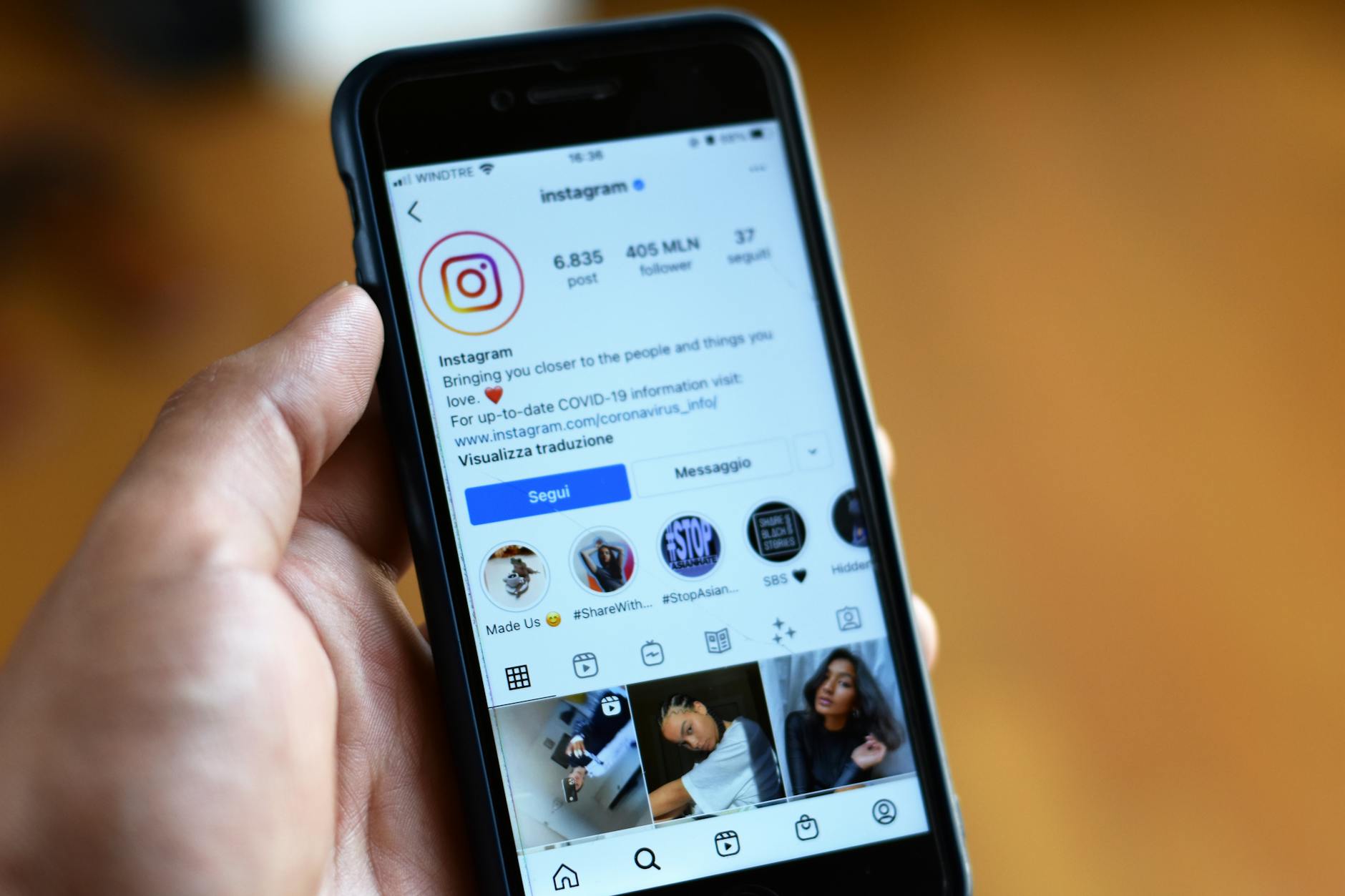
Traditional PR agencies built their empires on relationships with magazine editors, television producers, and newspaper entertainment writers. They controlled access and crafted narratives through established media gatekeepers. Instagram, TikTok, and Twitter obliterated that model overnight.
Celebrities can now reach millions of fans instantly without any intermediary. A single Instagram post from Taylor Swift generates more engagement than a major magazine cover story. When Ryan Reynolds tweets directly to fans about his gin brand or latest film, the authentic voice resonates more powerfully than any carefully crafted press release.
This direct communication eliminates the need for many traditional PR functions. Why pay an agency to pitch a story to Entertainment Tonight when you can share behind-the-scenes footage directly with 50 million followers? The math doesn’t work anymore.
Many celebrities discovered during the pandemic that their own authentic voices performed better than agency-managed content. Personal posts about mental health, social causes, or creative projects generated deeper fan connections than traditional PR campaigns ever achieved.
The Crisis Response Problem
Traditional PR agencies often move too slowly for modern crisis management. When controversy erupts on social media, the news cycle moves in hours, not days. By the time a traditional agency crafts a response, runs it through legal review, and coordinates with various stakeholders, the narrative has already solidified.
Recent celebrity controversies have highlighted this timing mismatch repeatedly. Stars who responded quickly with personal statements often fared better than those who waited for agency-crafted responses. The public increasingly expects immediate, authentic reactions rather than polished statements that arrive days later.
Modern crises also require specialized expertise that traditional agencies don’t always possess. Cancel culture, deepfake videos, leaked personal information, and coordinated online harassment campaigns need different handling than traditional scandals. Many celebrities are turning to digital security firms, reputation management specialists, and legal teams that understand these new threats.
The Boutique Revolution
Instead of massive agencies handling dozens of clients, celebrities are gravitating toward smaller, specialized firms or individual consultants. These boutique operations offer more personalized attention and deeper expertise in specific areas.
Some stars now work with separate specialists for different aspects of their careers: a social media strategist, a crisis management consultant, a brand partnership expert, and a publicist who focuses exclusively on their particular industry niche. This modular approach provides more targeted expertise than a traditional full-service agency.
The boutique model also offers better alignment with celebrity values. Many stars want to work with firms that understand their specific causes, whether that’s environmental activism, social justice, or particular business ventures. A specialized consultant who shares those values can craft more authentic messaging than a large agency juggling conflicting client interests.
Financial considerations play a role too. Traditional agencies often charge retainer fees that can reach six figures annually, plus additional project costs. Boutique specialists frequently work on project basis or smaller retainers, allowing celebrities to scale their PR spending based on actual needs rather than maintaining constant expensive relationships.
Creative Control and Authentic Storytelling
Modern celebrities increasingly view themselves as brands requiring creative control over their narratives. Traditional agencies, with their standardized approaches and risk-averse strategies, often clash with stars who want to take creative risks or address controversial topics authentically.
Many celebrities now prefer working with storytellers, content creators, and digital strategists who understand narrative building across multiple platforms. They want teams that can help them craft compelling personal brands rather than simply managing negative press and booking magazine appearances.
This shift reflects broader changes in celebrity culture itself. Today’s stars often juggle multiple ventures: acting, music, business investments, social activism, and personal brands. They need PR support that understands this complexity rather than traditional agencies focused primarily on entertainment industry relationships.
The rise of celebrity entrepreneurship has accelerated this trend. When stars launch businesses, invest in startups, or become activists for specific causes, they need PR teams that understand those worlds intimately. Traditional entertainment-focused agencies often lack expertise in business communications, political advocacy, or technical fields.
The Future of Celebrity PR
This transformation signals a broader democratization of celebrity culture. As traditional gatekeepers lose influence, stars gain more control over their public narratives. The most successful celebrities of the next decade will likely be those who master direct fan communication while strategically using specialized consultants for complex situations.
Traditional PR agencies aren’t disappearing entirely, but they’re adapting or dying. The survivors are reinventing themselves as consultancy networks, offering specialized expertise rather than comprehensive relationship management. Some are pivoting toward corporate clients or developing new celebrity services focused on digital strategy and crisis prevention.
For emerging celebrities, this shift creates opportunities to build authentic public personas from the start rather than conforming to traditional PR playbooks. The barriers to entry have lowered, but the skills required have become more sophisticated. Tomorrow’s stars will need to be their own content creators, crisis managers, and brand strategists – or work with teams that truly understand these evolved requirements.
Frequently Asked Questions
Why are celebrities leaving traditional PR agencies?
Social media allows direct fan communication, traditional agencies move too slowly for digital crises, and celebrities want more creative control over their narratives.
What are celebrities using instead of traditional PR?
Many now use boutique specialists, in-house teams, social media strategists, and modular consultants for specific needs rather than full-service agencies.