


Platform sandals had a good run. The chunky silhouette dominated warm-weather dressing for several seasons, first as a nostalgic nod to 70s disco glamour, then as a practical answer to the demand for height without heel pain. But something is shifting on the racks this season, and it is not subtle if you know where to look.
The raffia wedge is moving in.
Woven, earthy, and grounded in a texture that reads as both artisanal and effortlessly polished, the raffia wedge is gaining ground in a way that feels less like trend and more like correction. Where platforms often tip into costume territory – adding drama at the expense of wearability – the raffia wedge sidesteps that tension entirely. It offers lift and presence while staying anchored in natural materials that speak to a broader appetite for clothing and accessories that feel considered rather than loud.

Why the Platform Had a Ceiling
The platform sandal was never subtle. Its appeal was rooted in visibility – a shoe designed to be noticed, to add inches dramatically, to signal a kind of maximalist confidence that suited a particular moment in fashion. That moment, characterized by dopamine dressing and a general embrace of excess, gave platforms their runway. Brands leaned into towering soles and bright colorways, and consumers followed.
The problem with that kind of statement-making is its shelf life. A shoe built entirely around visual impact tends to exhaust itself quickly, because the impact becomes expected. Once platform sandals reached the level of ubiquity they hit over the last two summers – worn from brunch tables to airport terminals to beach resorts – the novelty eroded. The shoe that once looked bold started to look routine.
There is also a practical dimension worth addressing. Platforms, particularly those with rigid soles, are genuinely difficult to walk in on uneven surfaces, cobblestones, or anything that is not a perfectly poured sidewalk. The lift comes with a trade-off in stability that not everyone is willing to accept for a full day of summer activity. The raffia wedge, with its graduated sole and typically lower height, solves for that without sacrificing the visual interest.
What Makes Raffia Work Right Now
Raffia as a material has been circling the edges of fashion for years – appearing in handbags, hats, and trim details before making a more assertive claim on footwear. Its appeal is rooted in texture and origin. The material is made from palm leaves and carries an inherent quality that reads as handcrafted, which connects directly to the growing appetite for accessories that feel more intentional and less mass-produced. A raffia wedge never looks like it rolled off a conveyor belt, even when it did.
The color palette of natural raffia – creams, warm tans, sandy beiges – also works with the tonal, undyed wardrobe direction that has been building momentum for the past few seasons. Linen trousers, cotton dresses, washed denim: these are clothes that want a shoe with warmth and organic character rather than a thick synthetic sole in a contrasting color. The raffia wedge slots into that wardrobe with a coherence that feels almost architectural – as though the shoe was designed with the clothes already in mind.
Some designers are pairing raffia soles and wrapping with leather or espadrille-style uppers, which broadens the styling range considerably. The result is a shoe that travels from market to dinner without requiring a change. That kind of versatility is exactly what drives a footwear trend past the runway and into everyday purchasing decisions. The slide sandal has been navigating its own version of this shift – and the slide sandal is quietly edging out the fisherman sandal for some of the same reasons: ease of wear, clean lines, and a material story that resonates.
The Style Equation That Keeps Winning
Fashion cycles between structure and softness, between statement and restraint. The raffia wedge lands firmly on the side of restraint without being boring – which is the harder trick to pull off. It adds dimension to an outfit through texture rather than height, through material rather than silhouette. That approach to dressing, where the interest comes from what something is made of rather than how loudly it announces itself, is precisely the frequency fashion is currently tuned to.
Stylists working with editorial clients have been reaching for raffia wedges as a grounding element in otherwise complex looks. Paired with a printed midi dress or a sharply cut linen suit, the shoe reads as a deliberate choice – something chosen to complete a look rather than compete with it. That restraint is exactly what platform sandals often struggled to offer, because their inherent loudness made them lead characters in an outfit, not supporting ones.
There is also the question of age range and occasion range, both of which the raffia wedge handles with more flexibility than its predecessor. A chunky platform skews young and casual in a way that can feel limiting. Raffia carries an elegance that reads across age groups and occasion types – which means a single pair earns more wear per season.
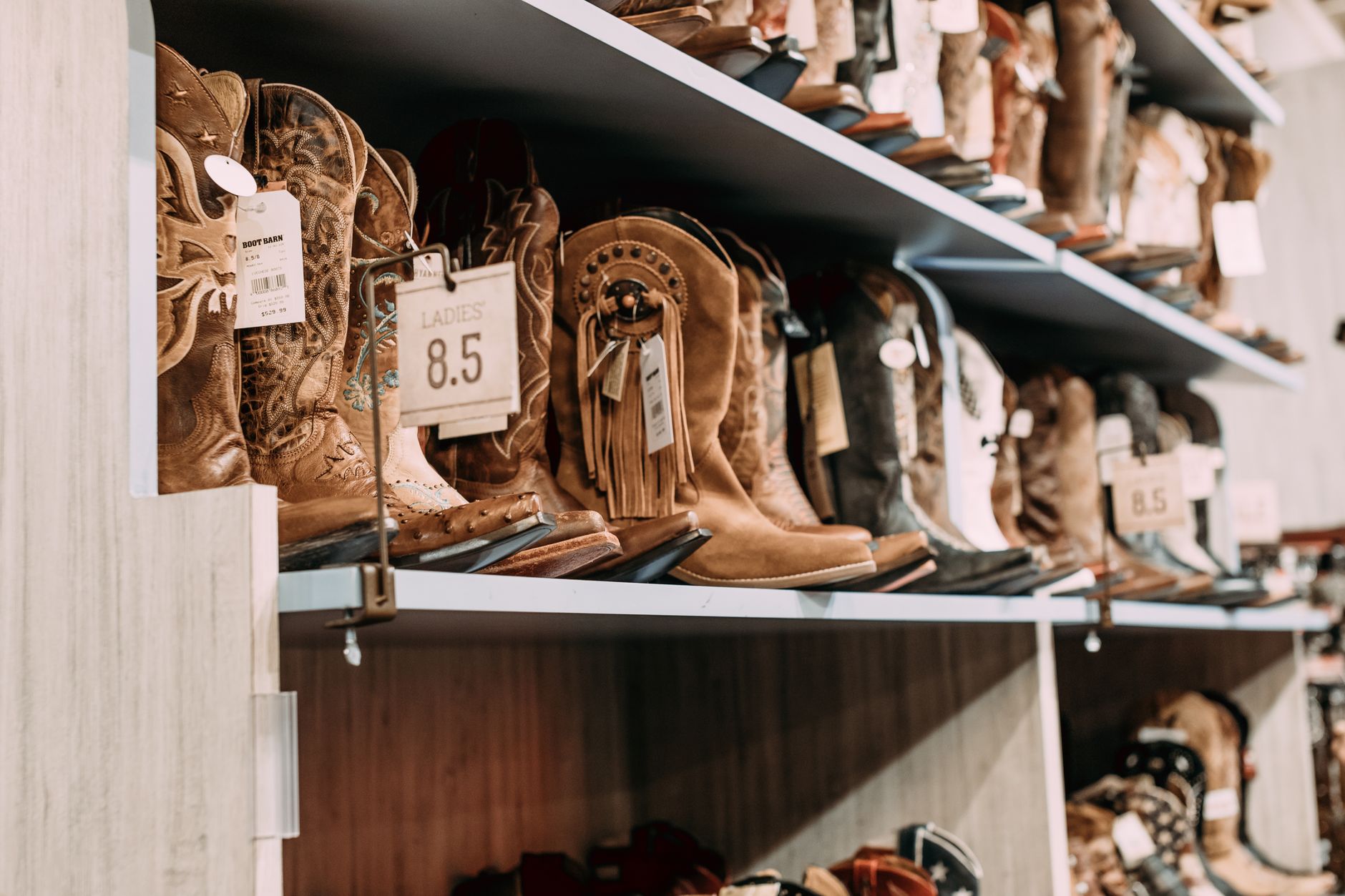
The real tell is what is disappearing from storefronts and what is filling the space behind it. Platform sandals are still there, but they are no longer the opening statement of the summer footwear display. The wedges in woven natural materials are getting the prime real estate now – front-facing, eye-level, first impression. That is where you find out what a season actually believes in.