


Something is shifting at the farmers market, the airport gate, and the Sunday brunch table. The boxy canvas shopper – long the default carry-all for the casually stylish – is losing ground to something older, softer, and considerably more textured. The raffia tote has moved from resort-town novelty to genuine wardrobe staple, and the transition has happened with almost no announcement.
Canvas had a good run. It was practical, washable, and democratic – equally at home on a college student and a creative director. But practicality alone no longer wins the accessories conversation. The raffia tote brings something canvas never could: a material story, a handcraft lineage, and a surface quality that photographs in a way synthetic weaves simply cannot replicate.

How the Raffia Tote Found Its Moment
Raffia as a fiber has been used in basket-weaving traditions across Madagascar, West Africa, and parts of Latin America for generations. What changed recently is not the material itself but the context it entered. Luxury houses began incorporating it into runway accessories, and that visibility gave permission to the wider market to treat handwoven bags not as ethnic curiosities but as considered design objects. Once a Parisian or Milanese atelier puts something on a runway model’s arm, the retail conversation changes fast.
The timing aligned with a broader appetite for natural materials and visible craft. Consumers started paying attention to how things are made, not just what they look like. A bag that shows its construction – the interlocking weave, the slight irregularity of handwork, the warm straw color that varies from piece to piece – speaks to that appetite directly. Canvas, by comparison, shows almost nothing of its making.
Social media accelerated the shift in a specific way. Raffia textures are highly visual on screen. The woven surface catches light differently from every angle, creates shadow and depth, and reads as interesting even in a quick scroll. The canvas tote, flat and matte, disappears against a background. When content creators started reaching for the more photogenic option, the cultural signal was sent.
What Canvas Gets Wrong Now
Canvas totes became victims of their own ubiquity. When every bookshop, art museum, and organic grocery chain produces one, the object loses the ability to say anything specific about the person carrying it. It became a near-invisible accessory – functional, yes, but stripped of any fashion intent. Wearing a canvas shopper stopped being a choice and started being a default, which is exactly where accessory trends go to die.
There is also a texture fatigue at play. After years of smooth leather, polished hardware, and coated fabrics dominating the bag market, the woven, irregular surface of raffia offers genuine contrast. Fashion moves on contrast. The rougher, earthier aesthetic of natural fiber feels new precisely because the dominant aesthetic for so long favored refinement over rawness.
The Style Logic Behind the Switch
The raffia tote works across more styling contexts than its market position might suggest. It pairs with linen trousers, printed midi dresses, and even tailored blazers – the natural fiber acts as a grounding element against structured or polished pieces. This versatility is a serious commercial advantage. A bag that only works at the beach stays at the beach; a bag that moves from weekend errands to a rooftop dinner earns a permanent spot in the rotation. For anyone building a wardrobe around relaxed, considered separates, the raffia tote fits without effort.
Sizing has evolved alongside the trend. Early raffia bags tended toward small market basket shapes – charming but impractical for daily carry. The current generation of designs has addressed this directly, with structured bases, interior lining, and shoulder straps long enough to clear a coat. The bag is no longer asking you to sacrifice function for aesthetics. That combination – visual interest plus genuine utility – is what makes a trend last past one season.
Color is another factor. The natural straw palette of unbleached raffia coordinates with almost anything in a warm-toned wardrobe and creates pleasing contrast with cooler tones. Some brands are experimenting with overdyed versions in terracotta, dusty sage, and faded indigo, which extends the bag’s seasonal range beyond its traditional summer associations. A deep olive raffia tote in October does not read as a beach holdout – it reads as a texture choice, which is a very different thing.
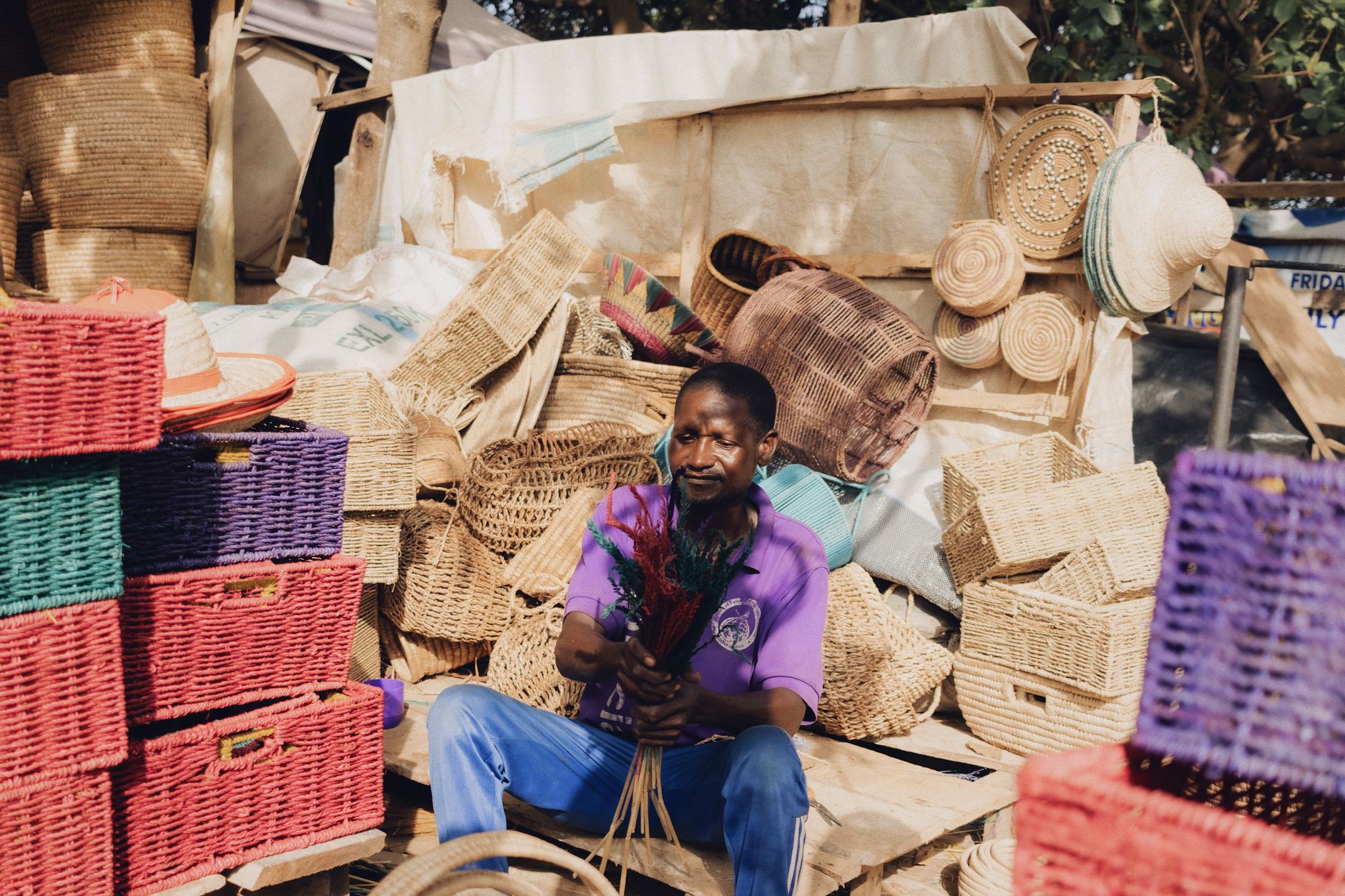
Price accessibility has kept the trend from stalling at the luxury level. Because raffia is a natural, widely available fiber and the construction methods are established in many producing regions, well-made raffia totes exist at almost every price point. A shopper can spend a significant amount on an atelier version with leather handles and hand-stitched detailing, or find a solidly constructed market version for a fraction of that. Canvas once owned that democratic pricing range. Now it shares it – and raffia brings more visual return per dollar.
The question the canvas tote cannot easily answer is what it is actually for anymore. It was a statement bag when statements were simple and environmental consciousness was novel. That moment has passed. The raffia tote does not need to make a statement – it is too busy looking good.
Frequently Asked Questions
Why is the raffia tote replacing the canvas shopper?
Raffia offers visible texture, a handcraft story, and stronger visual appeal on social media – qualities the flat, ubiquitous canvas tote no longer delivers.
Can a raffia tote be worn year-round or just in summer?
Modern raffia totes, especially overdyed versions in earthy tones, work well into autumn and winter when styled with warm-toned separates and structured outerwear.