

The strappy kitten heel had its moment – delicate, of-the-moment, endlessly photographed on cobblestones and café terraces. Now something quieter and sharper is sliding into its place: the pointed-toe mule, with its clean silhouette and zero fuss.
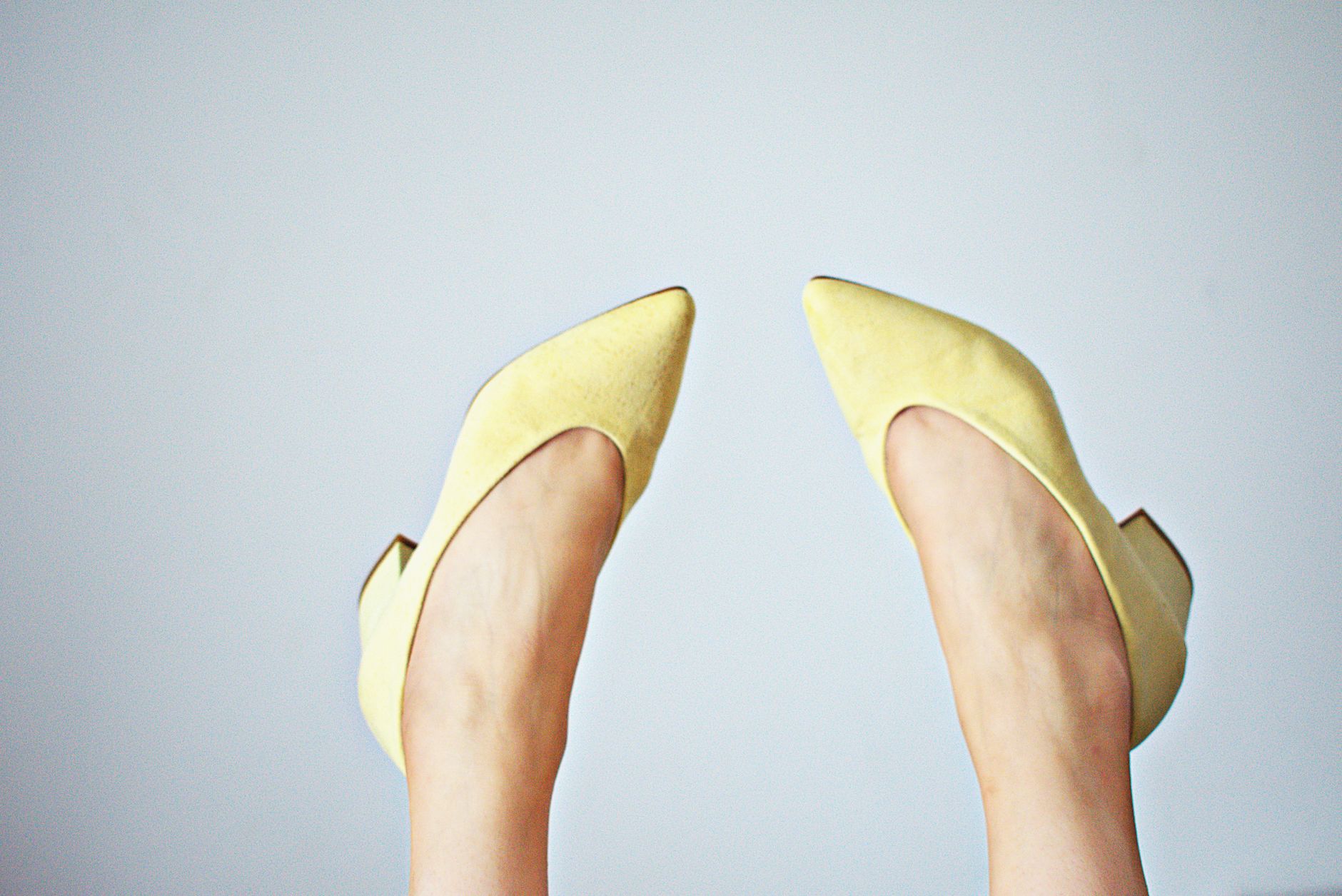
Why the Pointed-Toe Mule Is Having a Moment
The pointed-toe mule occupies a specific lane in fashion’s hierarchy – it reads as polished without announcing effort. Where the strappy kitten heel required maintenance (the buckle, the strap placement, the inevitable mid-day adjustment), the mule offers a slip-on ease that doesn’t sacrifice the sharp visual line that a pointed toe provides. That combination – minimal structure, maximum visual impact – is exactly what the current fashion mood rewards.
Runways have been signaling this quietly for several seasons. Designers who built entire collections around gossamer ankle straps and delicate heel architecture have started sending out backless silhouettes instead, often in the same neutral palette that made kitten heels ubiquitous. The shift isn’t dramatic. The heel height is comparable. The toe shape borrows the same elegant taper. But the removal of the strap changes everything about how the shoe reads on the foot – less adorned, more intentional.
Part of the appeal is versatility. A pointed-toe mule moves from tailored trousers to a slip dress without requiring the outfit to adjust around it. The strappy kitten heel, by contrast, leaned heavily into femme-coded dressing – it worked best when the rest of the look played along. The mule doesn’t make those demands. It sits alongside a linen blazer and wide-leg pants as naturally as it does with a bias-cut skirt.
There’s also a texture conversation happening. Mules this season are arriving in materials that strappy styles rarely explored: matte leather in earthy tones, patent finishes in burgundy and chocolate, and quiet suedes that absorb light rather than reflect it. These material choices pull the shoe away from the delicate register the kitten heel occupied and position it closer to the elevated minimalism that has been running through fashion for the past two years.

The Strappy Kitten Heel’s Specific Problem
The kitten heel itself isn’t disappearing – the booted version continues to build momentum in its own right. But the strappy iteration is facing a particular challenge: it became too associated with a single aesthetic moment. When a shoe style gets absorbed into a specific trend cycle – in this case, the hyper-feminine, ballet-coded dressing that peaked across social media over the past two years – it risks becoming a timestamp rather than a wardrobe staple.
The strappy construction also carries inherent limitations that the fashion conversation is now bumping against. Straps require coordination – with pedicures, with hosiery choices, with the hem length of a skirt. They make certain styling decisions for you before you’ve even started getting dressed. In a moment when effortless is the dominant mode and overcuration feels slightly off, that level of deliberateness has started to read as dated rather than refined.
Comfort expectations have also quietly recalibrated what women tolerate in a heel. The strappy kitten heel, for all its modest height, could dig, slip, and shift throughout a day in ways that feel increasingly unnecessary when alternatives exist. The mule, backless by design, actually makes a virtue of the open construction – it’s not trying to grip the foot, and so it doesn’t fail when it doesn’t.
Retail behavior is tracking this in real time. Pointed-toe mules are moving faster in direct-to-consumer footwear brands, with restocks happening at a pace that strappy flat sandal styles haven’t matched this season. The silhouette is showing up in more editorial contexts too – styled not as a statement piece but as the assumed base of an outfit, which is the real marker of a shoe becoming dominant.
There’s a demographic element worth noting: the pointed-toe mule is being picked up across a wider age range than the strappy kitten heel managed. The latter skewed young and trend-dependent. The mule, because of its cleaner silhouette and lower styling demands, is landing with women in their thirties and forties who want something refined but not precious. That broader appeal is what separates a trend from an actual wardrobe shift.
How to Wear It Now
The entry point is easier than most shoe transitions. A pointed-toe mule in black or a warm tan works in almost every situation the strappy kitten heel occupied – and several it didn’t. Pair it with cropped tailoring for the version that reads most current: the exposed ankle, the clean toe, no distracting hardware. For evening, a patent or metallic finish gives the silhouette enough presence without requiring jewelry at the ankle to fill the visual space.
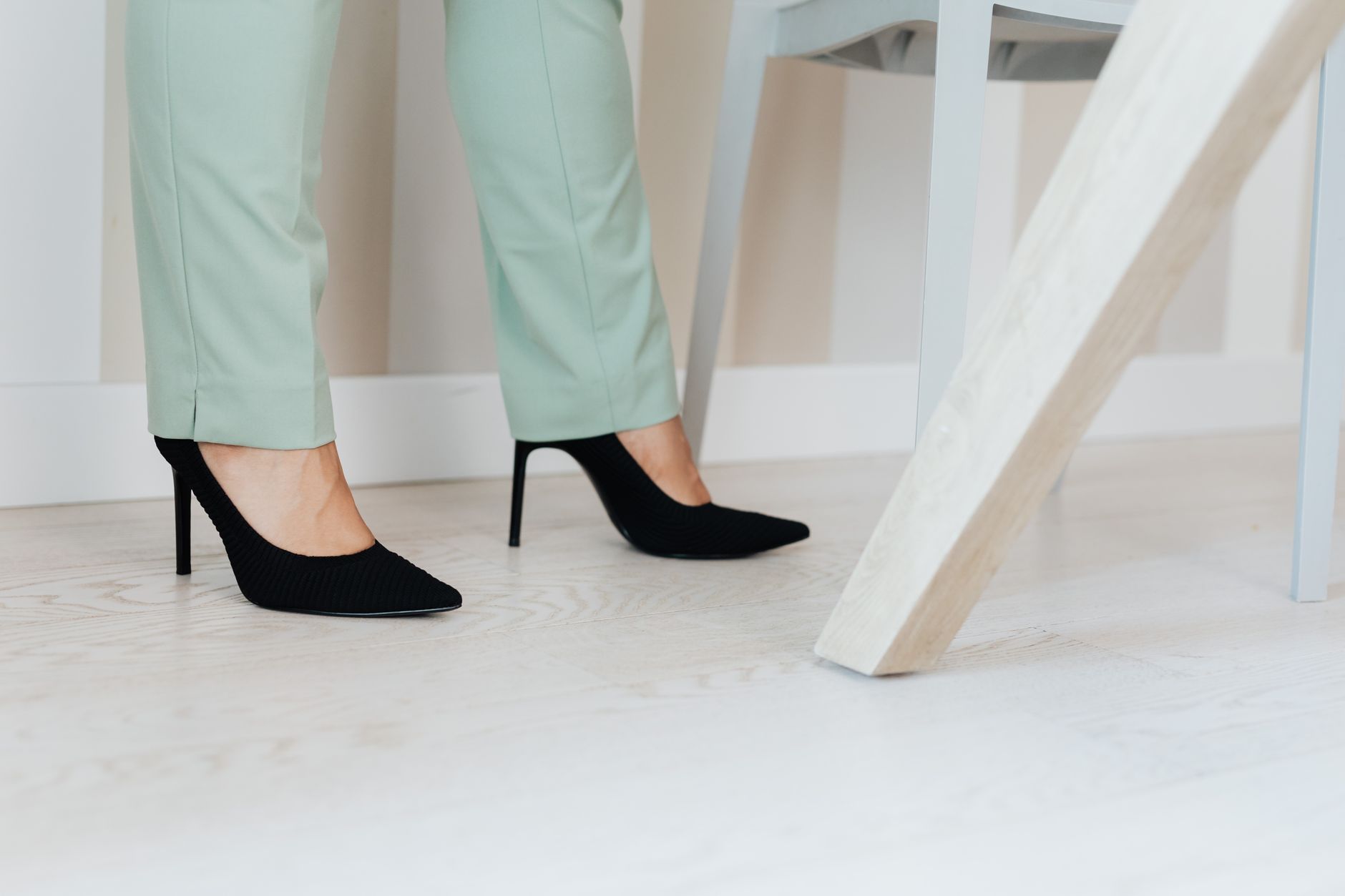
Where the styling conversation gets more interesting is in how the mule handles texture-on-texture dressing. A suede pointed-toe mule next to a bouclé midi skirt creates a quieter, more sophisticated pairing than any strappy heel could – the shoes don’t compete for attention, they support the fabric story instead. That restraint is the whole point. The question now is whether the pointed-toe mule holds its position as dressing continues to evolve, or whether the market’s appetite for minimalism eventually cycles back to adornment – and the straps return.