

The block-heel flat had a good run. Comfortable, stable, and easy to style, it became a wardrobe staple for anyone who wanted a polished look without committing to a full heel. But something has shifted on the sales floor. The kitten heel loafer – slim, slightly elevated, unmistakably refined – is starting to take up more real estate in both boutiques and mainstream retailers, and the block-heel flat is quietly losing ground.
This is not a sudden reversal. The kitten heel loafer has been building momentum across multiple seasons, moving from runway accessory to everyday alternative with a consistency that block-heel styles simply are not matching right now. The reasons are practical, aesthetic, and deeply tied to how women are thinking about dressing in a way that feels both put-together and effortless.
Why the Block Heel Is Losing Its Hold
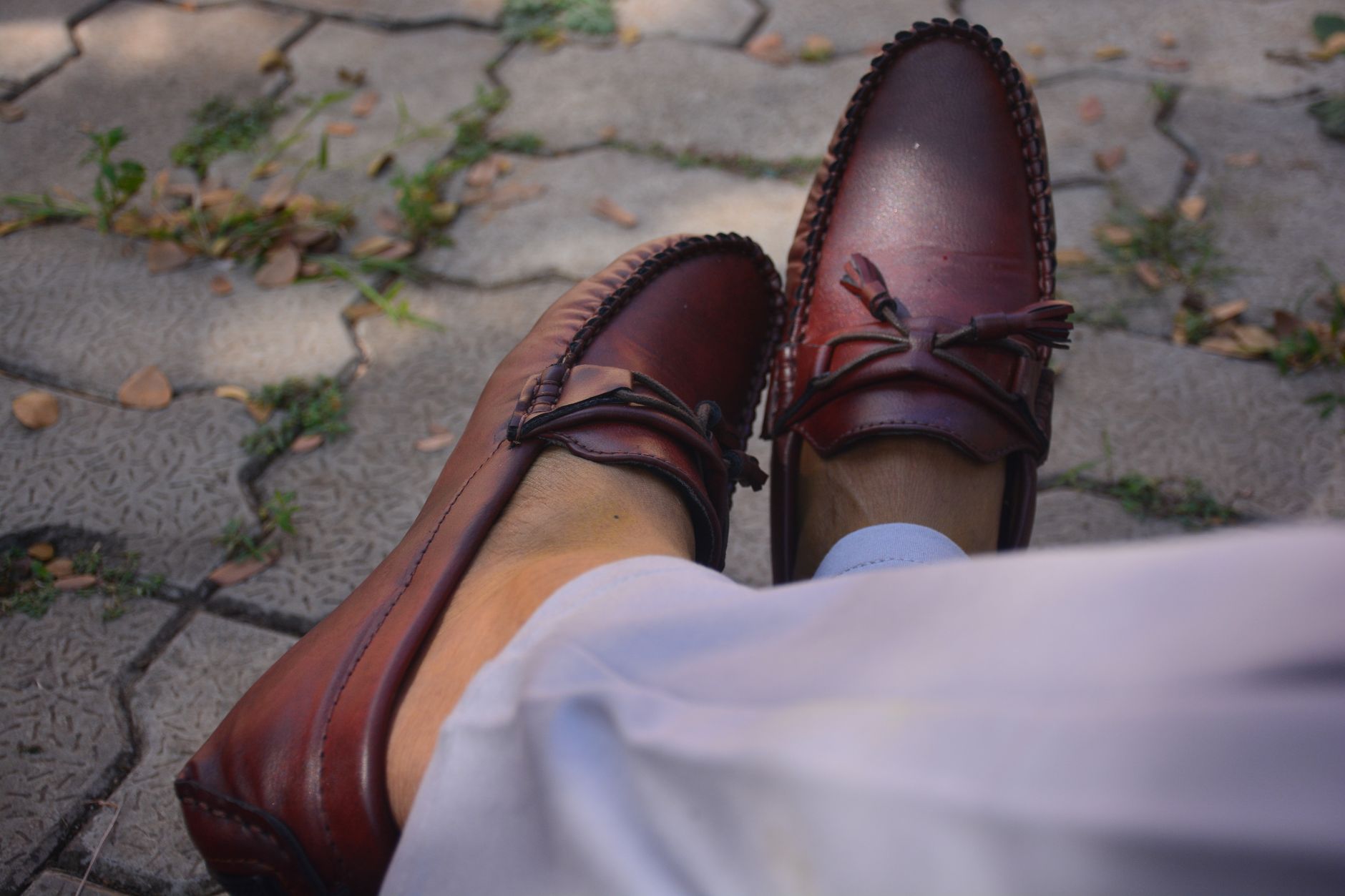
The block-heel flat earned its popularity for good reasons. It offered a middle ground between a full flat and a real heel – sturdy enough to walk in all day, structured enough to read as office-appropriate. For several years, it was the answer to every “comfortable but chic” styling question. The problem is that it has become exactly that: an answer, rather than a choice. Block-heel styles now read as safe. And safe, in fashion, tends to have an expiration date.
There is also a silhouette issue. Wide block heels add visual weight to the foot and ankle, which works against the cleaner, narrower lines that are currently dominating footwear and clothing alike. As hemlines have shifted to show more of the ankle – with midi skirts, wide-leg trousers, and cropped straight jeans all in heavy rotation – what sits at the foot matters more. A slim kitten heel creates a much cleaner line under all of those silhouettes. The block heel, by comparison, can look chunky in a way that does not serve the overall look.
What the Kitten Heel Loafer Brings to the Table
The kitten heel loafer borrows from two different shoe traditions – the ease and slouch of the classic loafer, and the subtle lift of the kitten heel – and combines them in a way that feels genuinely new. It is not trying to look like a dress shoe, and it is not trying to look like a sneaker. It occupies its own category, which is exactly why it works with so many different outfits.
The loafer silhouette itself has been having a sustained moment, with penny loafers, horsebit styles, and square-toe variations all doing well across price points. Adding a kitten heel to that base shape gives the style a bit more occasion flexibility without making it feel formal. You can wear a kitten heel loafer with tailored trousers and a silk blouse, or with wide-leg denim and a relaxed knit, and neither combination looks wrong. That kind of versatility is hard to manufacture.
There is also something to be said about the heel height itself. The kitten heel – typically between one and two inches – provides just enough elevation to change posture and lengthen the leg without requiring the wearer to think about how they are walking. Women who have moved away from higher heels for comfort reasons are finding kitten heel loafers sit at exactly the right point: enough lift to feel dressed, low enough to function normally throughout a full day. It is a genuinely practical shoe that does not look practical.
This category is also benefiting from the broader appetite for what might be called “quiet dressing” – outfits that do not announce themselves loudly but hold together well on closer inspection. A kitten heel loafer in a tonal leather, a rich suede, or a pointed patent finish looks considered without looking like it is trying. That is a difficult balance to hit, and it is one reason the style keeps gaining ground among women who do not want their footwear to be the first thing anyone notices.
How Retailers Are Responding
Footwear buyers at both mid-range and luxury-adjacent retailers have been quietly increasing their kitten heel loafer inventory across categories. Where a category might have previously featured two or three kitten heel loafer options sitting alongside a wider block-heel flat range, that ratio is now frequently reversed. Block-heel styles are being consolidated into fewer, more neutral colorways, while kitten heel loafer options are expanding into seasonal colors, new materials, and varied toe shapes.
Independent shoe boutiques have been among the first to reflect this change, often stocking kitten heel loafers from smaller European and domestic brands before the trend fully registers at larger retailers. These early signals from smaller shops tend to be reliable indicators of where mainstream demand is heading – not because boutiques set trends, but because their buyers are generally reading customer appetite with fewer layers of corporate approval between them and the buying decision.
Styling the Transition
If you are already wearing block-heel flats regularly, the switch to kitten heel loafers is a smaller adjustment than it might appear. The footwear category overlaps significantly in terms of outfit pairings – both styles work under trousers, with midi skirts, and alongside tailored separates. The key difference is in how finished the overall look reads. A kitten heel loafer tends to pull an outfit slightly upward in terms of perceived effort without requiring anything else in the look to change.
Material choice matters more with kitten heel loafers than with block-heel flats. Because the shoe has a slimmer profile, the quality of the leather or suede is more visible. A kitten heel loafer in a stiff or synthetic material will look cheap in a way that a chunkier block-heel flat can sometimes hide. Investing slightly more in a well-made version pays off more visibly with this silhouette. And as is the case with other kitten heel styles gaining traction right now, the details – stitching, hardware, sole edge – are all on display in a way that rewards quality.
Neutral colorways remain the strongest sellers in this category: black, bone, cognac, and chocolate brown all perform consistently. But a growing number of buyers are picking up kitten heel loafers in burgundy, forest green, and navy as a way of adding a color anchor to an otherwise neutral wardrobe. These are not statement shoes in the traditional sense – they do not demand attention. They just add depth to an outfit in a way that a basic flat cannot quite achieve.
What the kitten heel loafer offers, ultimately, is a footwear option that reads as stylistically intentional without requiring a significant commitment in terms of either comfort or styling effort – and that combination is proving considerably harder for the block-heel flat to compete with heading into the next several seasons.