



The strappy heel had a long run. For years, it was the default answer to any occasion that required effort – a thin strap across the ankle, a kitten or stiletto heel, and the implication that you had dressed with intention. But something has shifted quietly in how women are choosing to dress their feet, and the fisherman sandal is at the center of it.
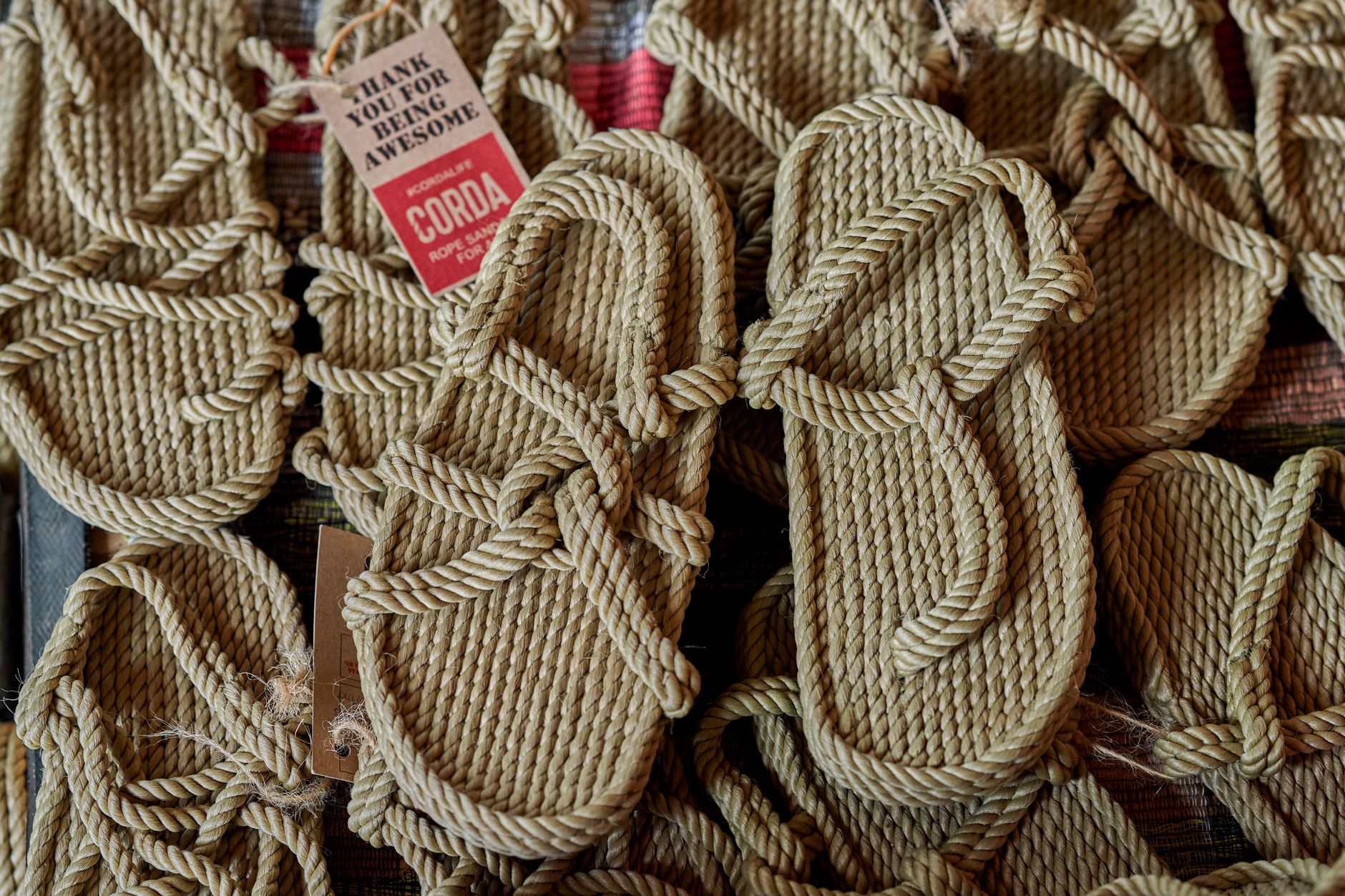
The fisherman sandal – that closed-toe, woven-upper style originally built for practicality and water resistance – has moved from niche vintage find to genuine fashion staple. It shows up now in luxury boutiques and fast fashion simultaneously, in leather, raffia, and rubber, at price points from under fifty dollars to well over five hundred. What started as a whisper in street style photography has grown into a category that brands across the market are actively building collections around.
This is not about comfort dressing in the tired sense of the word.
Why the Fisherman Sandal Works Now
The appeal of the fisherman sandal is structural, not sentimental. Its closed toe and cross-hatched upper create a shoe that reads as deliberate – there is nothing casual or thrown-together about it. It occupies a specific visual register: more substantial than a flat sandal, more grounded than a heel, more interesting than a sneaker. That middle ground is exactly where a lot of women’s wardrobes are operating right now.
The silhouettes that have dominated fashion for the past several seasons – wide-leg trousers, relaxed suiting, midi skirts with volume – all land differently when grounded by a shoe with visual weight. A strappy heel can look lost beneath a wide hem or competing with a pleated trouser. The fisherman sandal anchors. It gives the foot a presence that reads as intentional rather than default. When the rest of the outfit is doing a lot of work structurally, the shoe has to be able to hold its own without screaming.
There is also the matter of wearability across the day. The strappy heel is an evening proposition for most people, or at minimum a short-distance proposition. The fisherman sandal is genuinely walkable, which matters when dressing for real life rather than a single curated moment. Luxury brands have recognized this: several have introduced their own versions with molded footbeds and quality leather construction that make a full day of wear not just possible but comfortable.
The Heel Is Not Dead, But Its Role Has Changed
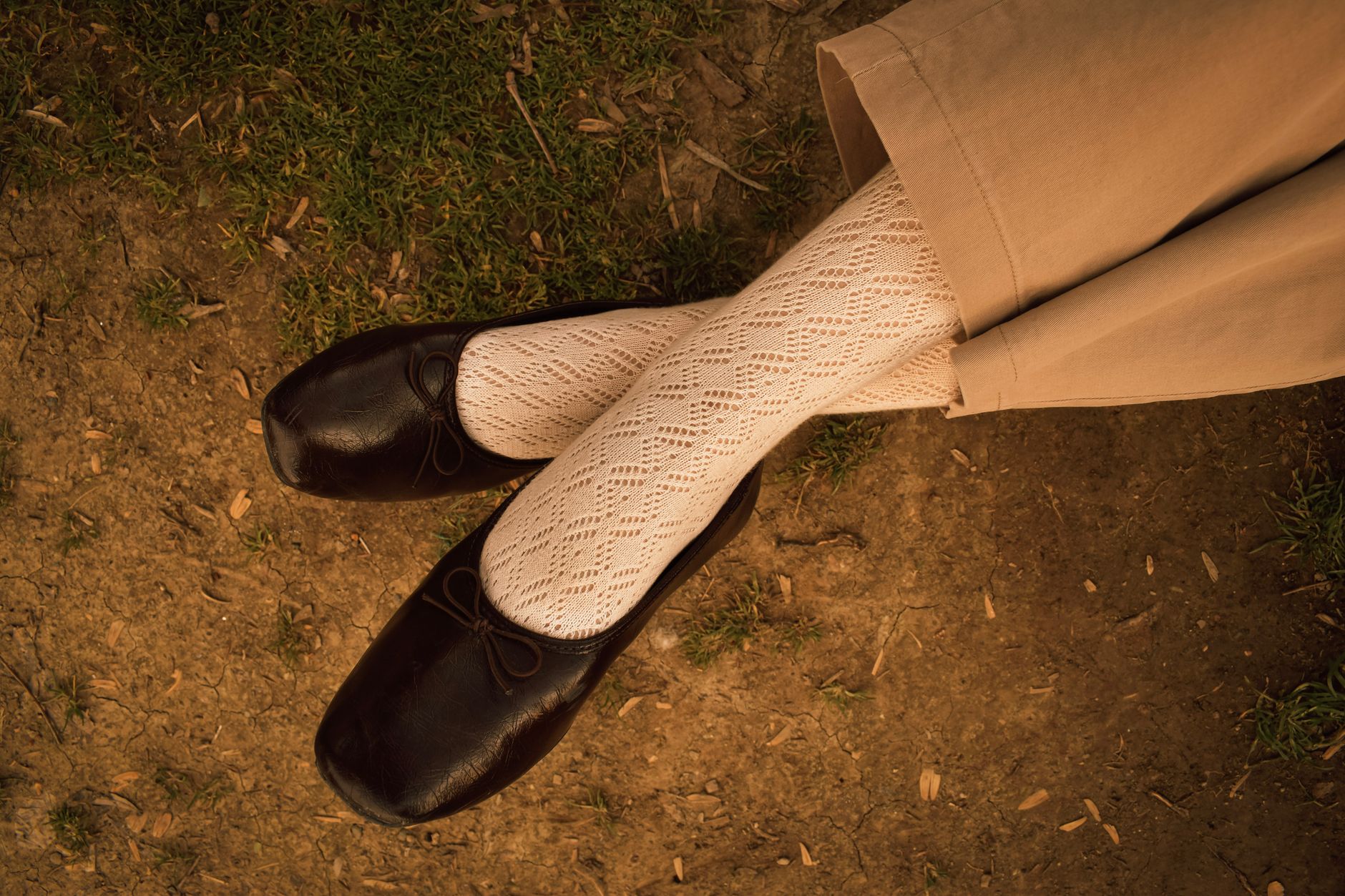
To say the strappy heel is being edged out is not to declare it finished. It will remain a wardrobe fixture, particularly for formal occasions and evening events where the language of dressing up is still partly tied to heel height. What it is losing is its position as the automatic choice – the shoe women reach for when they want to look put-together without much deliberation. That automatic slot is being filled by the fisherman sandal.
This is a meaningful change in how footwear functions as a signal. The strappy heel carried with it certain assumptions: feminine, occasion-specific, fashion-conscious in a traditional sense. The fisherman sandal carries different ones: considered, slightly architectural, interested in texture and craft rather than proportion and elevation. It is the shoe of someone who has made a choice rather than accepted a convention. That shift in perceived intention – away from the expected and toward the particular – is where fashion’s interest tends to move.
The growing presence of loafers and other structured flats quietly displacing their elevated counterparts across categories is part of the same logic. Women’s footwear is recalibrating around shoes that look intentional without requiring physical sacrifice. The fisherman sandal fits that framework precisely.
How to Wear It Without Overthinking
The fisherman sandal’s versatility is less about outfit formulas and more about what it does not fight with. It does not compete with maximalist accessories. It does not clash with tailoring. It does not require bare legs or demand a specific hem length. A knee-length linen dress, wide-leg chinos, or a cotton midi skirt all work equally well. The shoe brings structure without dominating the look.
Leather remains the most dressed-up option and translates well into near-formal settings. Raffia and woven natural materials read more seasonal and casual, pairing naturally with anything that leans toward summer resort or relaxed weekend dressing. Rubber or PVC versions have found a following in more directional fashion circles, worn with tailored pieces as a deliberate contrast. The material choice does more to set the register of the look than the style itself – which gives the shoe an unusual range for a single silhouette.
Color is where the fisherman sandal gets interesting. The traditional tan and cognac leather versions remain strong sellers, but neutral white, bone, and dark brown are gaining traction. Some brands have released versions in rich jewel tones – navy, forest green, burgundy – that work across three seasons rather than just summer. The shoe that started as a practical footnote has become a category with genuine range.

The question worth sitting with is whether the fisherman sandal earns its place year-round or whether its current moment is partly a reaction against strappy heels that will eventually swing back. What makes it feel different from previous flat-sandal trends is that it is being built into collections rather than treated as a seasonal novelty – which suggests the industry is betting on it having more staying power than a single summer’s enthusiasm can explain.