

The Flat Shoe Shift No One Announced
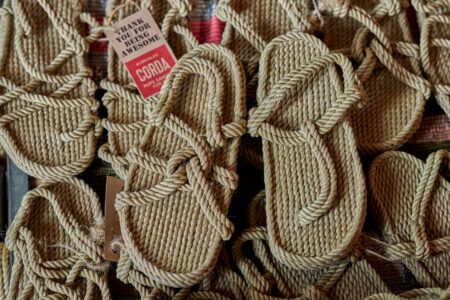
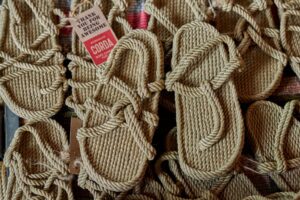
The espadrille slip-on had a long, comfortable run. For several summers, it was the default warm-weather flat – jute sole, canvas upper, vaguely European sensibility, available in every color at every price point. It became the shoe you grabbed without thinking. And that automatic, unquestioned ubiquity is exactly why it is now losing ground.
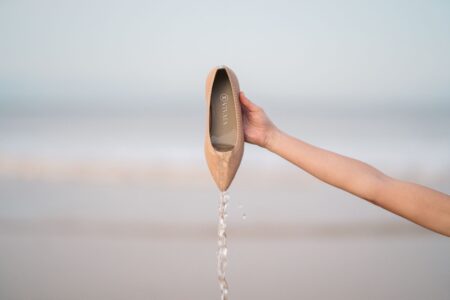
The crochet ballet flat is not a louder shoe. It does not arrive with a campaign or a celebrity contract. It moves through fashion the way most genuinely interesting trends do: quietly, through street style and boutique shelves, picked up by the kind of shopper who notices texture before silhouette.
What makes this shift worth paying attention to is how deliberately it trades one form of casual for another.
Why Crochet Works Where Canvas Gets Tired
The espadrille’s visual problem is its flatness – not in heel height, but in visual depth. A canvas upper reads as a surface. It is smooth, predictable, and after years of saturation, it registers as background noise. Crochet does the opposite. The open weave catches light differently at different angles, creates shadow within the shoe itself, and makes a flat silhouette feel intentional rather than default. It is the same reason a woven handbag will always read as more considered than a plain tote in the same shape.
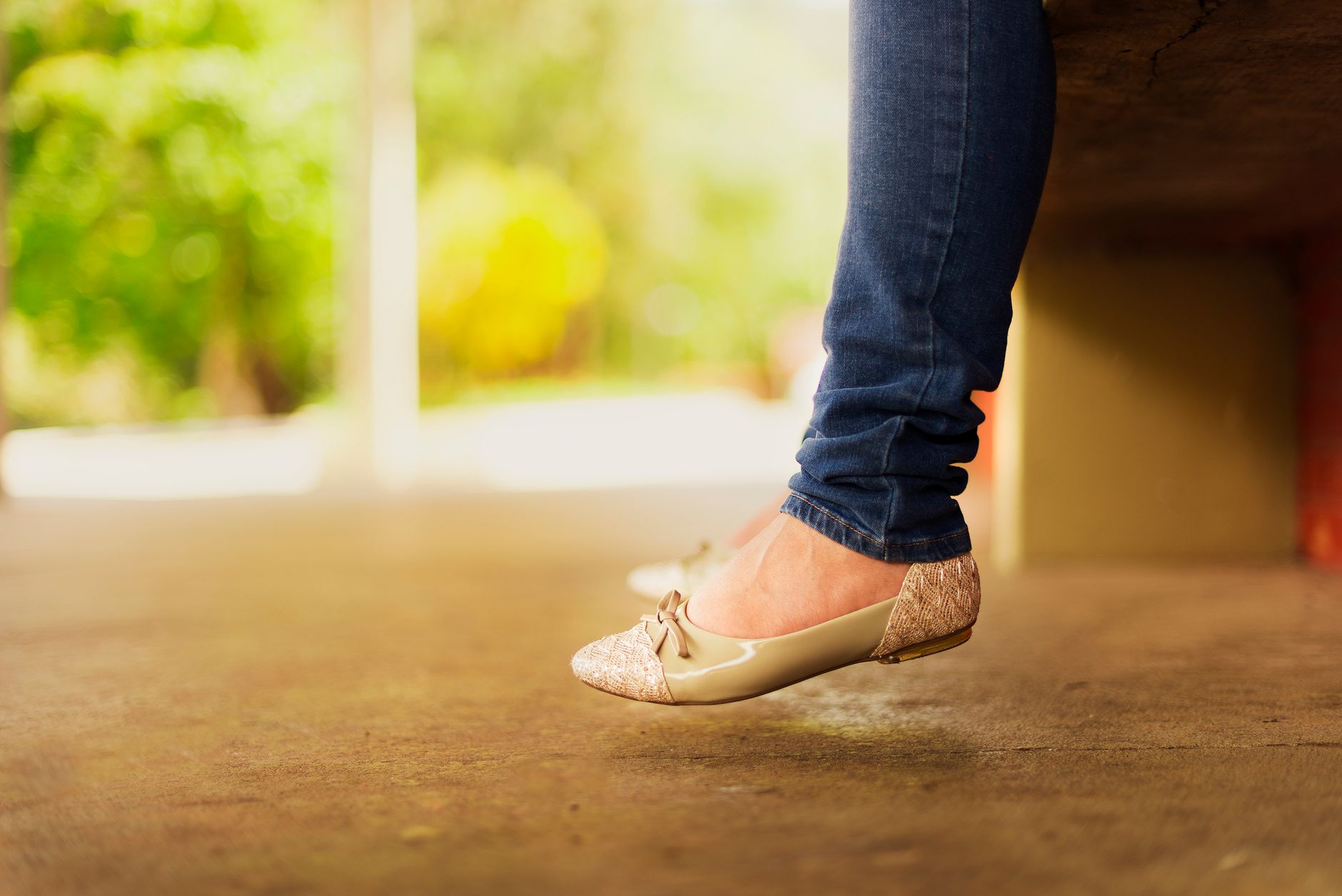
There is also a construction argument. Crochet flats tend to sit closer to the foot – the ballet flat silhouette, with its rounded toe and minimal upper, contours more naturally than the espadrille’s boxy canvas front. That lower profile photographs better against wide-leg trousers and maxi skirts, the two silhouettes currently dominating warm-weather dressing. The espadrille, with its chunkier jute midsole, can fight those proportions rather than cooperate with them.
Color and texture work together differently in crochet as well. A natural raffia or cotton yarn flat picks up warm tones in a way that plain canvas cannot replicate. The slight irregularities in a handmade or hand-finished crochet upper give the shoe character that mass production typically irons out of canvas styles. That handcraft quality is exactly what shoppers are reaching for right now across all categories – in ceramics, in linen clothing, in leather goods with visible stitching.
How the Trend Is Actually Moving
Crochet flats are showing up most consistently in a specific kind of retail environment: small boutiques that stock European and independent brands, online shops built around artisan footwear, and the quieter corners of larger department stores where buyers take more risks on texture-driven styles. They are not yet the shoe you find in every fast fashion outpost, which is part of what sustains the appeal. The moment a trend is fully democratized at scale, the customer who spotted it first has usually moved on.
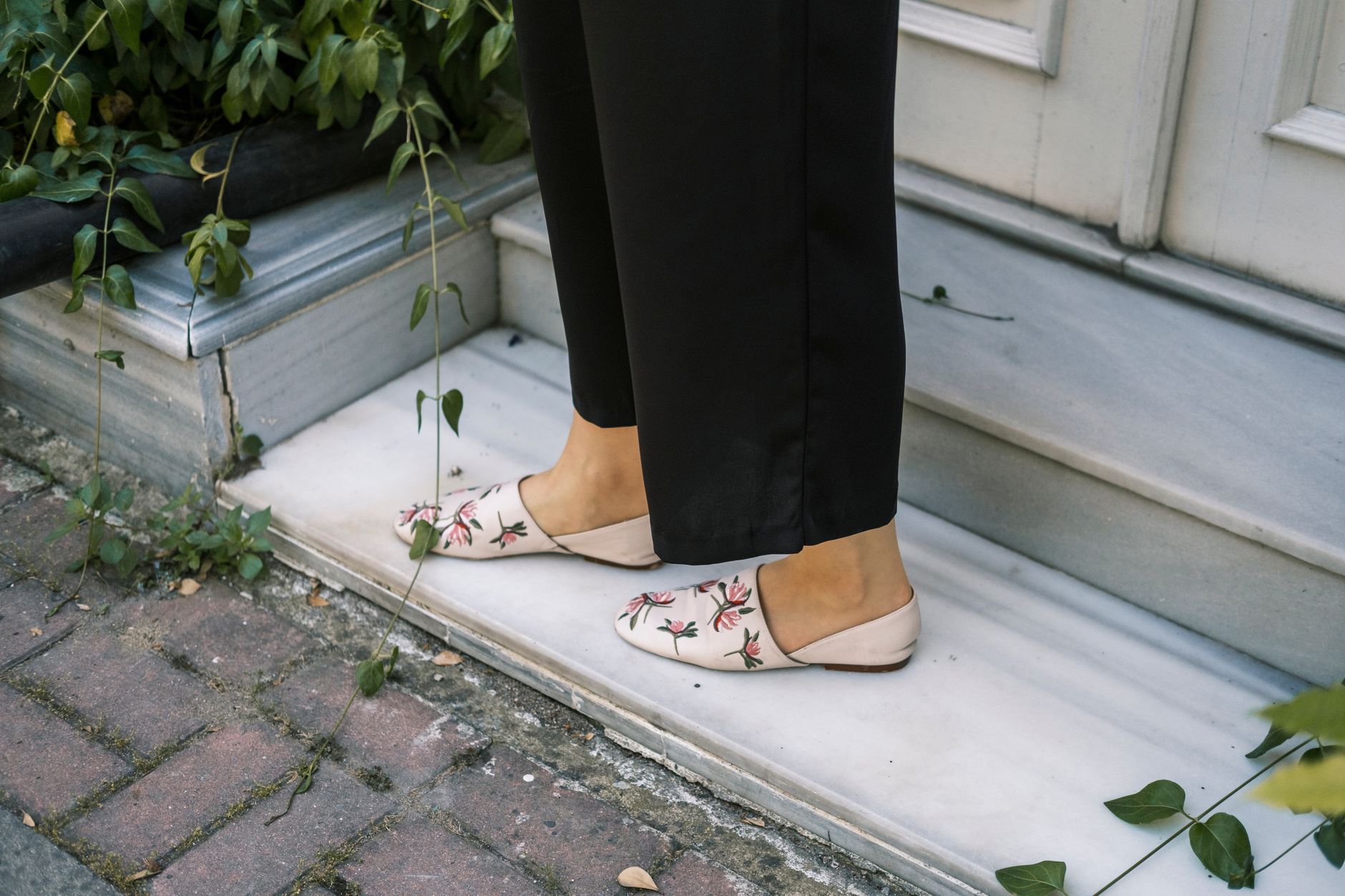
The styling conversation around crochet flats has also been more interesting than the one that surrounded espadrilles. Where espadrilles defaulted to summer dresses and linen separates – which is not a wrong pairing, just a narrow one – crochet flats are appearing with tailored shorts, sheer socks, cropped wide-leg trousers, and even relaxed suiting. The open weave makes them feel lightweight enough for heat without screaming “beach vacation,” which gives them a broader wardrobe range. This is the same quality that helped the mesh ballet flat build traction across multiple dressing contexts rather than staying locked to a single aesthetic.
Price points are spreading too. Early adopters found crochet flats through artisan brands at higher price points, where the hand-finishing justified the cost. That has since filtered down. A growing number of mid-market footwear brands are now offering crochet-inspired styles – machine-made, more uniform in weave, but carrying the same visual logic. That spread is usually the signal that a trend has cleared the early-adopter phase and is moving into something more durable.
What Happens to the Espadrille
The espadrille does not disappear. It retreats to its natural territory: resort wear, poolside, the ultra-casual summer context where its unpretentious utility is a genuine virtue rather than a limitation. The wedge espadrille in particular holds a different position – it has enough structural presence to resist the flat shoe conversation entirely. What fades is the slip-on espadrille’s claim to being the considered choice, the shoe that signals effort without looking like effort.
That specific role – effortless but intentional, casual but textural, flat but not boring – now belongs to the crochet ballet flat. It wears that role more convincingly right now because it is less familiar, because the construction has genuine visual interest, and because it fits the current appetite for things that look handmade without being precious about it.
The espadrille had the advantage of being everywhere. The crochet flat is gaining ground precisely because it is not, at least not yet – and by the time it is, the shopper who found it first will already be wearing something else entirely.
Frequently Asked Questions
Why is the crochet ballet flat replacing the espadrille?
The crochet flat offers more visual depth, a lower profile that works better with current silhouettes, and a handcraft quality that plain canvas espadrilles cannot match.
How do you style a crochet ballet flat?
Crochet flats work with wide-leg trousers, cropped tailoring, sheer socks, and linen separates – they have a wider styling range than the espadrille’s default summer-dress pairing.