



The cargo skirt has been building momentum for two seasons now, and the utility trouser – once the default answer for functional dressing – is starting to look like yesterday’s solution.
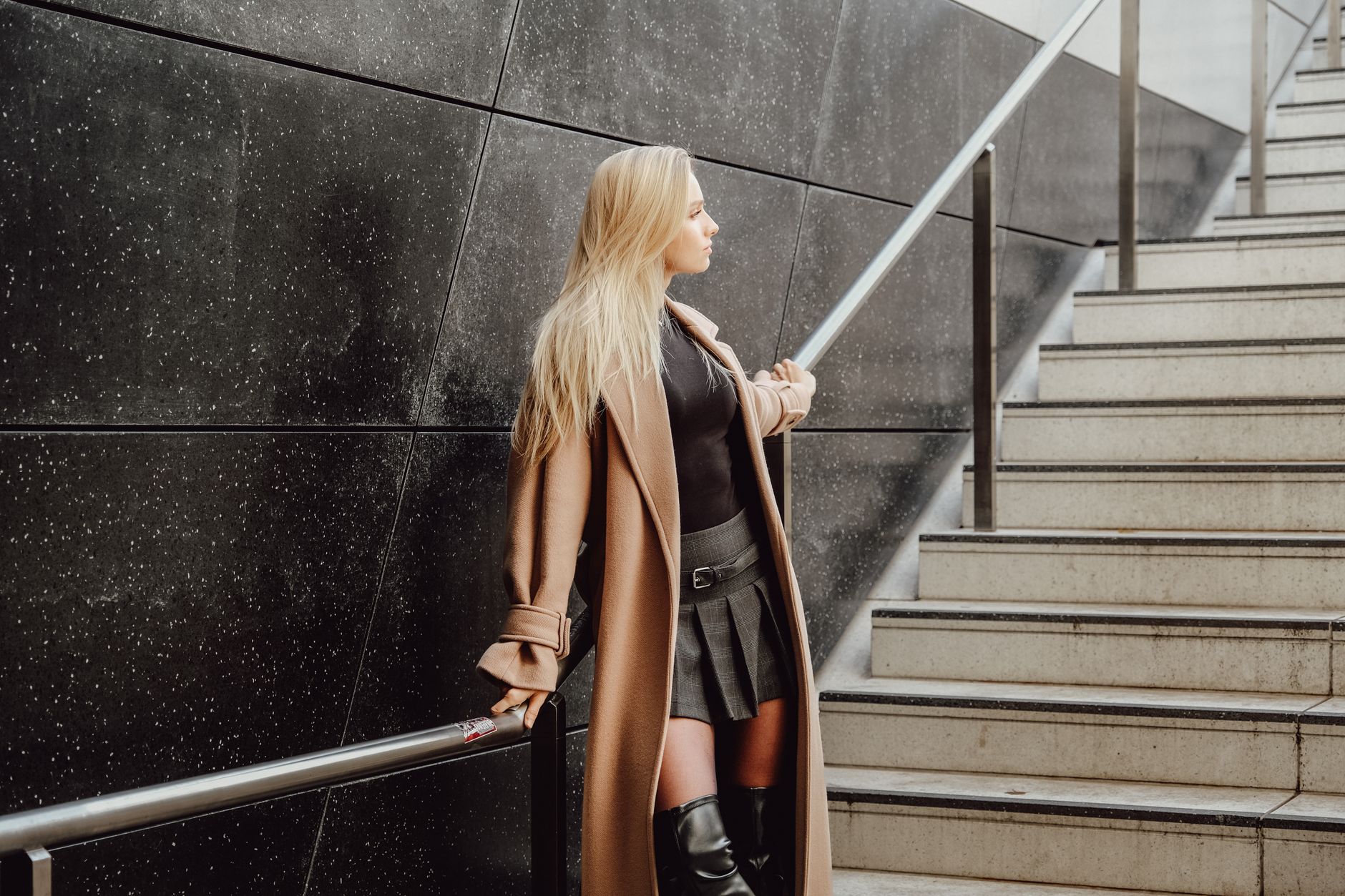
Why the Cargo Skirt Is Winning the Functionality Debate
The core appeal of utility-style clothing has always been the same: pockets that actually work, a silhouette that moves, and the kind of dressed-down confidence that doesn’t require much effort. For years, the wide-leg cargo trouser owned that space. It was the piece that fashion insiders reached for when they wanted to signal they cared about clothes without looking like they were trying too hard. The cargo skirt is now doing exactly that job – and doing it with a wider stylistic range.
Where the utility trouser tends to read masculine-adjacent, the cargo skirt plays both sides. It can sit at the hip with a cropped tank and feel genuinely off-duty. Styled with a fitted blazer and loafers, the same skirt moves into business-casual territory without losing its edge. That range of application is something the trouser, for all its versatility, struggles to match. The trouser commits you to a specific register; the skirt leaves more room to move.
The silhouette shift also matters. After several years of wide-leg trousers dominating the lower half of every fashion-forward wardrobe, there is a growing appetite for something different below the waist. The cargo skirt – whether rendered in a midi length with side patch pockets, or cut above the knee with cargo loops on the thigh – offers visual variety without requiring a shopper to abandon the utilitarian aesthetic entirely. It scratches a new itch without abandoning the old sensibility.
Fabric choices are doing a lot of work here too. The best cargo skirts appearing in stores right now are arriving in washed cotton twill, lightweight ripstop, and parachute nylon – the same material language as performance workwear, but cut into a shape that feels current. That material authenticity gives the silhouette credibility. It does not feel like a costume version of utility dressing; it feels like the category evolving on its own terms.
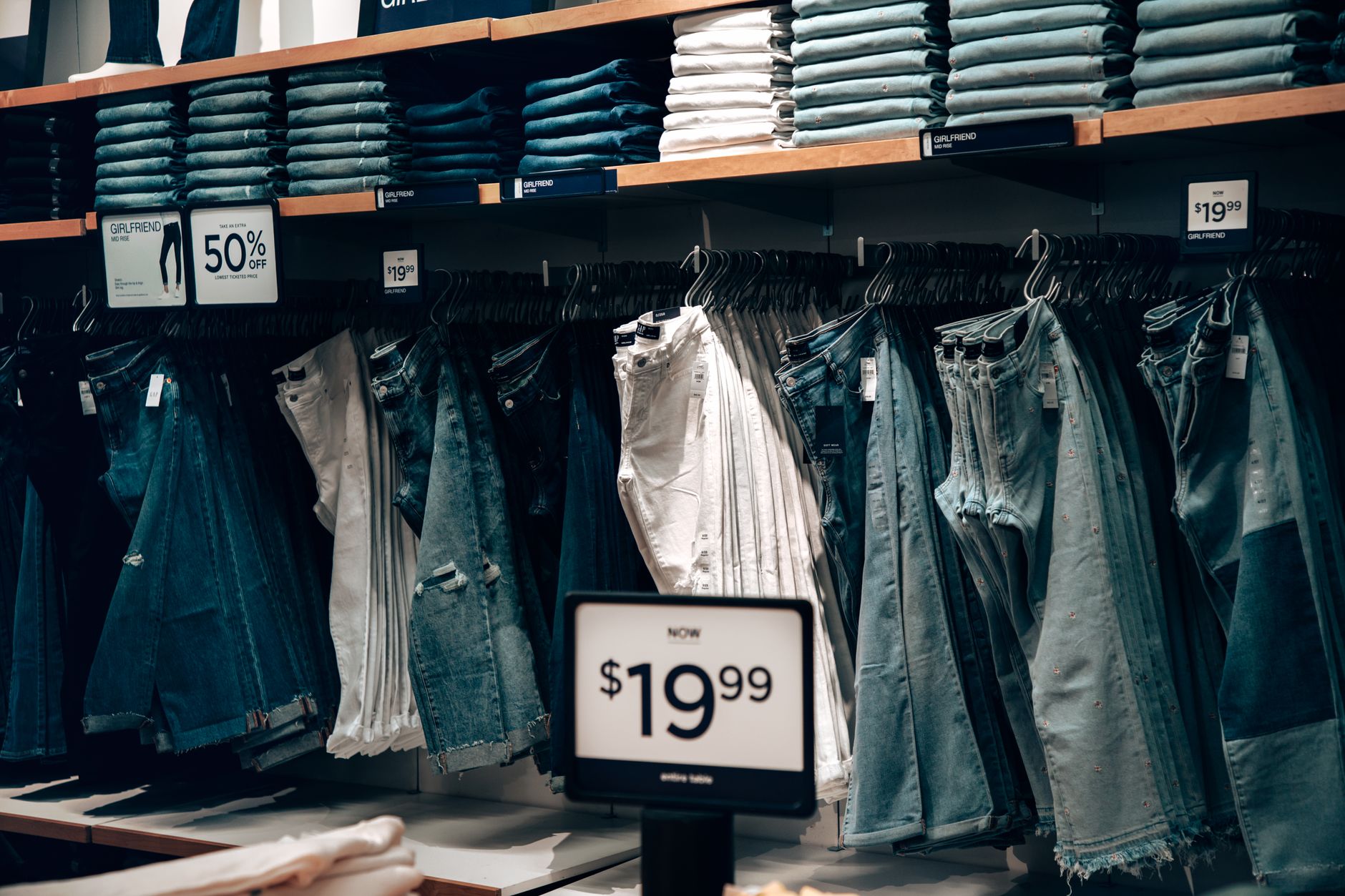
How Retailers and Brands Are Responding to the Shift
High street retailers have been quietly expanding their cargo skirt offerings over the past two seasons, pulling back on the number of utility trouser styles they stock in the process. Buying decisions like these do not happen in a vacuum – they follow sell-through data, and the sell-through on cargo skirts has been strong enough to prompt reorders mid-season, which is not common for a silhouette that only a few years ago would have been treated as a novelty item.
At the mid-market and contemporary price points, brands are experimenting with length as a key variable. The knee-length cargo skirt is the volume seller, but the midi version – sitting at the calf or just below – is gaining ground among shoppers who want the utility aesthetic without the shorter hemline. Some brands are offering both lengths in the same fabrication, essentially treating length as a fit option rather than a separate design decision. It is a smart move that broadens the appeal without diluting the concept.
The styling content appearing across social platforms has accelerated adoption in a way that traditional advertising rarely manages. When shoppers can see the cargo skirt styled seven different ways in a single video – with boots, with sandals, belted, unbelted, tucked in, left loose – the purchase decision becomes easier to make. The utility trouser, by contrast, tends to generate more uniform styling content, which makes it harder for shoppers to see themselves in it across different contexts of their actual lives.
Luxury brands have taken notice, though they are approaching the trend with characteristic restraint. A number of European houses have introduced cargo-detail skirts in premium fabrics – wool gabardine, technical satin, treated canvas – that carry the visual language of utility dressing without any of its price-point associations. These pieces are priced as directional fashion, not workwear derivatives, which signals that the cargo skirt has cleared the credibility threshold that separates trend curiosity from category acceptance.
The accessories conversation has shifted alongside the skirt. The functional bag – the tote with external pockets, the crossbody with clip fastenings – pairs with the cargo skirt in a way that feels coordinated rather than over-styled. That visual coherence between garment and accessory is part of what gives the whole look its current appeal. It reads as intentional without being precious, which is exactly the tone that dominates fashion conversation right now.
What This Means for the Utility Trouser Going Forward
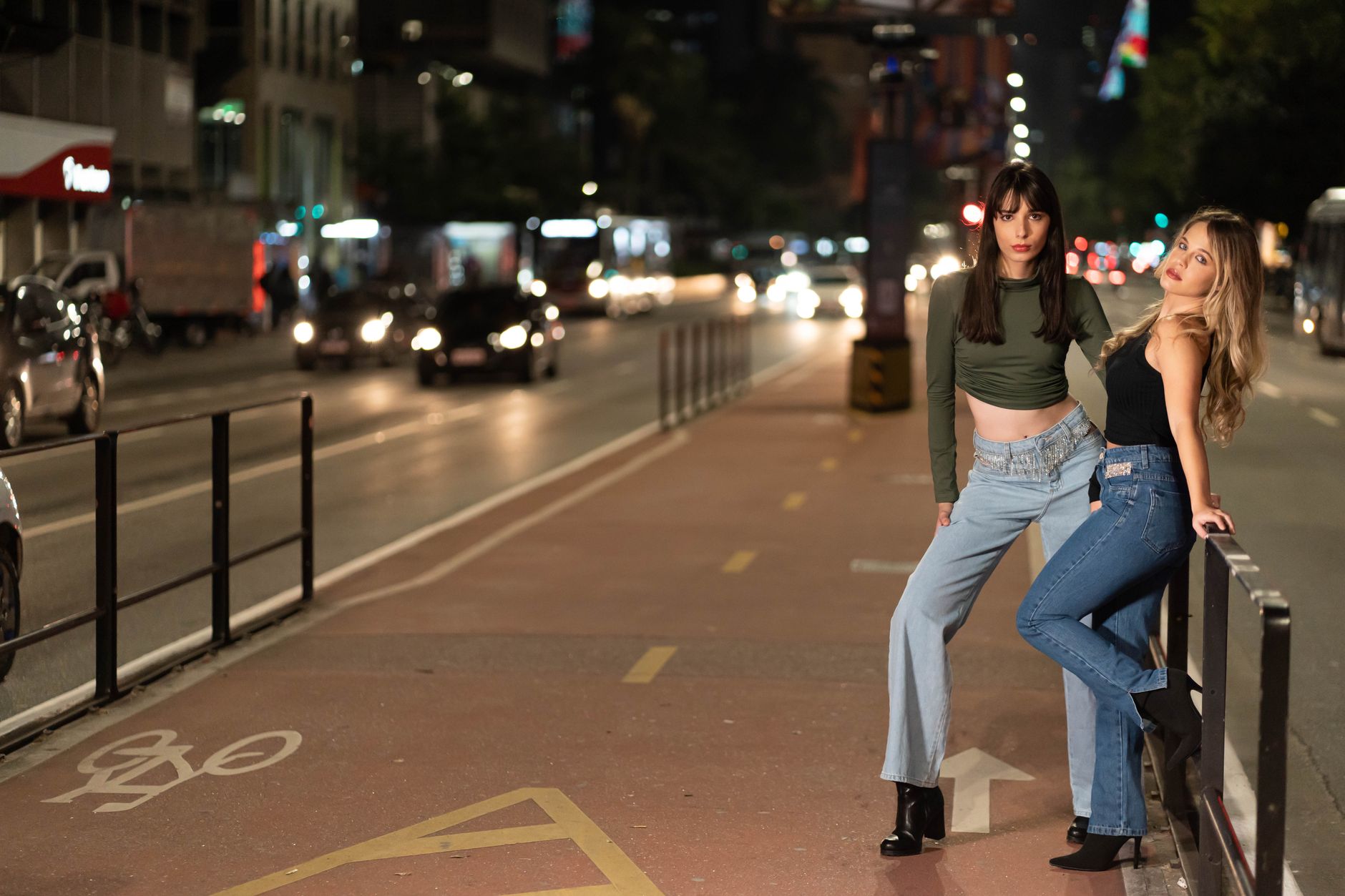
None of this means the cargo trouser is disappearing. It will hold its ground in workwear contexts and among shoppers who simply prefer trousers, and it will continue to appear on runways as part of the broader utility aesthetic. But its position as the default choice for functional dressing – the piece buyers reach for first and consumers buy without much deliberation – is no longer secure. The cargo skirt has made that position contested.
The more interesting question is whether the cargo skirt can sustain its momentum through next year without becoming oversaturated. A silhouette that arrives everywhere at once tends to burn out fast, and the cargo skirt is already visible across enough price points to raise that risk. The brands that invested in quality fabrication and restrained proportions early in the cycle are better positioned to carry the look forward; the ones that chased the trend with cheap iterations may find their stock sitting unsold by spring.
Frequently Asked Questions
Why is the cargo skirt replacing the utility trouser?
The cargo skirt offers a wider styling range than the utility trouser, moving between casual and smart-casual contexts without losing its functional aesthetic.
What fabrics are cargo skirts made from in 2024?
Current cargo skirts are arriving in washed cotton twill, ripstop, and parachute nylon – materials drawn from performance workwear that give the silhouette authenticity.