

The tiered midi skirt had a good run – several seasons of good press, strong sell-through, and a spot in nearly every capsule wardrobe feature published since 2021. But a quieter, crisper silhouette is starting to take its place on the racks, and it is made of eyelet fabric.

Why Broderie Anglaise Is Having Its Moment Now
Broderie anglaise – the embroidered cotton fabric defined by its punched-hole patterns and delicate whipstitching – has cycled through fashion history more times than most people realize. It showed up on Victorian collars, 1970s peasant blouses, and early-2000s holiday dresses before retreating to bridalwear and children’s clothing for a decade. What is different this time is where it is showing up: not as a trim detail or an accent fabric, but as the entire point of the garment.
The broderie anglaise skirt – typically cut as a straight or A-line midi, sometimes with a slight frill at the hem – is being positioned as the more refined answer to the tiered silhouette. Where the tiered midi read as relaxed and boho-adjacent, the broderie version reads as considered. The structure is cleaner. The fabric has texture without volume. It works in white and off-white, but also in sage, dusty pink, and warm navy, giving it a range the tiered midi struggled to achieve outside of cottagecore territory.
Runway signals began appearing gradually rather than all at once. Broderie detailing appeared on skirt hems and waistbands in collections leaning toward quiet femininity – a directional shift away from heavy fabrics and maximalist layering. Street style from Copenhagen and Paris started showing the skirt styled with fitted knits and leather sandals, which gave it a stiffness and elegance the tiered midi rarely achieved. The combination looked intentional in a way that felt new.
There is also a practical argument for the switch. Tiered skirts, by nature, require significant fabric and often read as more casual because of the way they move. Broderie anglaise skirts hold their shape better, photograph differently, and transition from daytime to evening more easily. The eyelet work gives the fabric visual interest without relying on silhouette for impact, which means a simpler cut can carry the whole look.
How the Styling Logic Works
The appeal of broderie anglaise as a skirt fabric comes down to how it handles contrast. The fabric is inherently soft – cotton-based, often slightly sheer at the embroidered sections – but it pairs naturally with harder, more structured pieces in a way that tiered skirts never quite managed. A fitted blazer over a tiered midi always looked like an afterthought. The same blazer over a broderie skirt looks like an outfit.
Right now, the most common styling approach pairs the skirt with a tucked linen or cotton shirt, a thin leather belt at the waist, and minimal footwear. Flat sandals or kitten heel mules are doing a lot of the heavy lifting here – adding just enough heel height to elongate the look without breaking the easy, summer-afternoon mood the fabric creates. The overall effect is underdressed in all the right ways.
White remains the dominant colorway, and for good reason. White broderie anglaise has a directness to it – it does not try to compete with anything. It allows the textural detail of the fabric to be the visual focal point rather than the color, which puts the quality of the piece front and center. Brands producing versions in cheaper fabric blends are finding that the eyelet work reads poorly at scale, which is quietly sorting the market between pieces worth investing in and ones that look like holiday impulse buys.
The skirt also responds well to layering, which is something the tiered midi largely resisted. A form-fitting tank or bodysuit underneath keeps the look from feeling overly dressed-up, while the broderie fabric stops the overall outfit from reading too minimal. It occupies a useful middle register between casual and polished – not trying too hard in either direction.
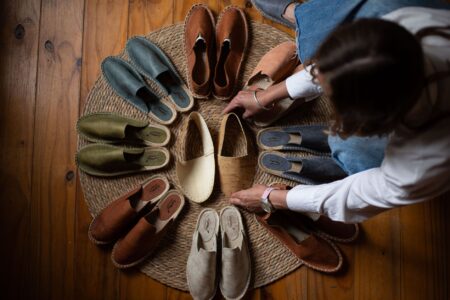
Accessories are being kept deliberately simple when the skirt is the main piece. Raffia bags, thin gold jewelry, and woven sandals are the recurring choices across editorial spreads and street style coverage. The logic is sound: broderie anglaise already carries enough visual texture that competing accessories would crowd the look. The silhouette rewards restraint more than most summer skirt styles.
Where the Tiered Midi Goes From Here
The tiered midi is not disappearing, but it is being repositioned. It will likely settle into a more casual niche – beach cover-up territory, warm-weather weekends, markets and festivals – rather than the broader “going out” and “smart casual” categories it occupied at its peak. Some brands are already moving tiered silhouettes into more print-forward and bohemian-coded directions, which is a way of leaning into the relaxed associations rather than fighting them.
What broderie anglaise offers that the tiered midi never quite could is a sense of occasion without formality. You can wear a white eyelet skirt to a lunch that matters and not feel like you underdressed. That specific social utility – looking put-together without appearing to have tried too hard – is what is driving the shift. And the white linen blazer crowd has already noticed.
Frequently Asked Questions
What is a broderie anglaise skirt?
A broderie anglaise skirt is made from cotton fabric featuring embroidered cut-out patterns and whipstitching. It typically comes in a straight or A-line midi cut.
How do you style a broderie anglaise skirt?
Pair it with a tucked linen shirt, a thin belt, and minimal footwear like flat sandals or kitten heel mules. Keep accessories simple to let the fabric detail stand out.