

The slip dress had a good run. Minimal, liquid, deliberately unbothered – it became the shorthand for a certain kind of effortless dressing that dominated wardrobes from the mid-2010s straight through the early 2020s. But something is shifting at the quieter end of the fashion conversation, away from the runway spectacle and closer to the way women are actually shopping. The broderie anglaise mini dress is gaining ground, and it is doing so without much announcement.
Broderie anglaise – that traditional hand or machine-embroidered cotton fabric defined by its pattern of small cut-out eyelets – carries strong associations with childhood smocking and vintage European summers. That nostalgia is precisely what is making it feel fresh. Fashion has a reliable habit of rehabilitating the overly wholesome, and broderie anglaise is arriving at exactly the right moment: after years of slinky, skin-baring minimalism, there is a genuine appetite for texture, volume, and something that reads as considered rather than thrown-on.
The mini length is doing a lot of work here.

Why the Broderie Anglaise Moment Is Happening Now
The slip dress positioned itself as the anti-dress – something you wore when you wanted to look like you had not tried. Broderie anglaise operates from a completely different set of intentions. The fabric announces effort. The eyelelet work, whether scalloped at the hem or running in vertical panels, signals craft. And in a moment when consumers are increasingly drawn to pieces that look like they were made rather than manufactured, that distinction matters more than it used to.
There is also a colour logic driving this trend. Broderie anglaise reads strongest in white, off-white, and pale ecru – the exact palette that has been building across every category from suiting to knitwear over the past two seasons. The fabric fits naturally into the tonal, quiet luxury-adjacent dressing that has quietly reorganized how people think about buying clothes. It does not require bold colour or print to register as a statement. The texture is the statement.
The mini silhouette specifically matters because it prevents the fabric from tipping into prairie or cottagecore territory. A broderie anglaise midi or maxi risks reading as costume. Cut it above the knee and it stays squarely in contemporary dressing – something that works with flat sandals on a Saturday and gets reconsidered with kitten heel mules for an evening out. That range of application is exactly what gives a trend staying power beyond a single season.
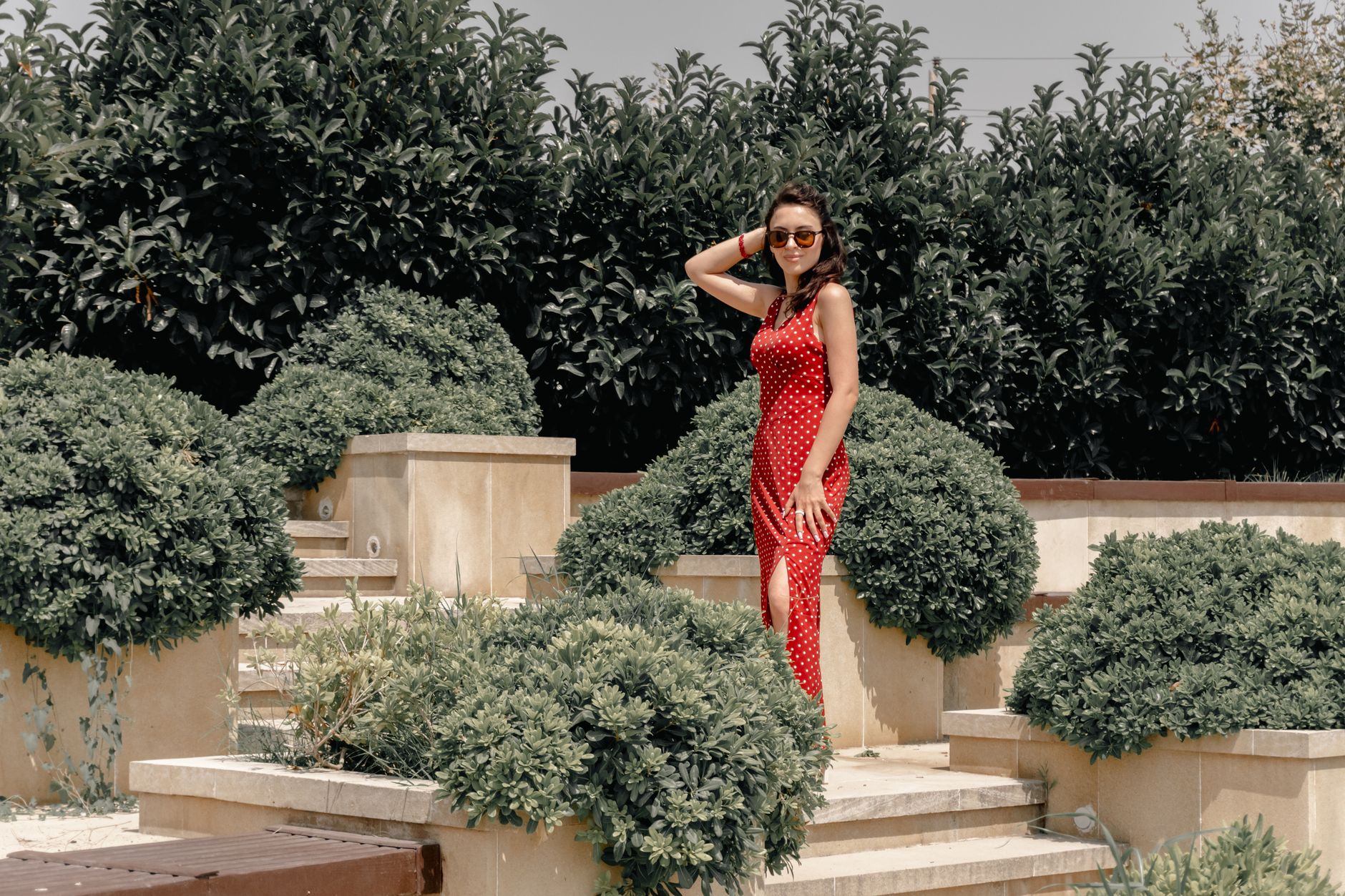
How It Wears Differently Than the Slip
The slip dress was built on the logic of subtraction. It worked because it asked so little of the wearer – pull it on, add a shoe, done. Its appeal was partly the absence of detail. Broderie anglaise asks for a different kind of engagement. Because the fabric has inherent visual weight, the styling around it needs to be more deliberate. Overwear it with a linen blazer and it sharpens immediately. Pair it with a heavy bag and the contrast between delicate fabric and structured accessory does something interesting. Leave it completely unadorned with minimal jewellery and it still carries enough detail to feel complete.
The fit conversation is also different. Slip dresses favored bias cuts that skimmed the body with almost no structural intervention. Broderie anglaise minis tend to work in A-line or slightly gathered silhouettes – shapes that give the fabric room to do what it does best. That gentle volume around the hip and skirt is not accidental. It is where the eyelet work catches light and movement, which is the whole point of the fabric. A fitted, bodycon broderie anglaise dress would collapse the effect entirely.
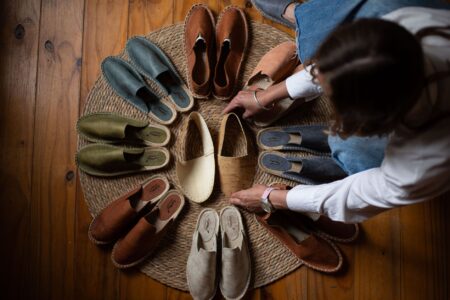
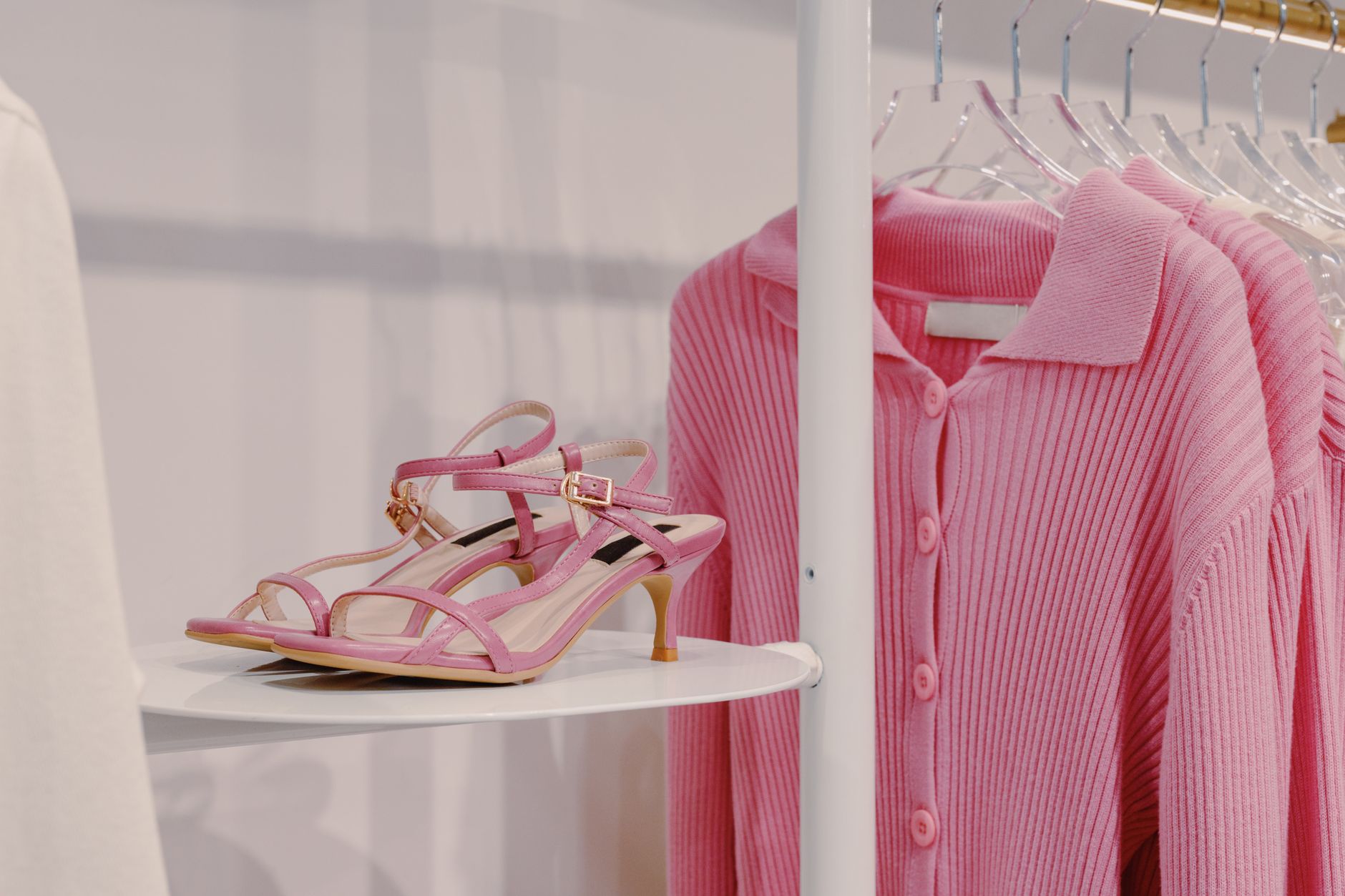
What this means practically is that the transition from slip dress to broderie anglaise is not just about swapping one piece for another. It is about adjusting the overall logic of an outfit – moving from fluid and directional to textured and rounded. Women who have been dressing around slip dresses for years may find the adjustment instinctive, because the color palette and the occasion range largely overlap. The difference is in how much presence the dress itself carries before anything else is added. For those already exploring footwear that balances femininity with practicality, the broderie anglaise mini pairs particularly well with a kitten heel mule – the delicacy of both pieces reinforces rather than competes.
The Shopping Reality Behind the Trend
High street retailers began stocking broderie anglaise minis in heavier rotation heading into spring, and early sell-through on white and ecru styles has been notably fast. The pieces that are moving quickest tend to share a few features: scalloped hems, elasticated or smocked bodices that remove the need for sizing precision, and a length that sits two to three inches above the knee. These are not coincidences. They reflect what buyers are seeing convert at the point of sale.
The price positioning of broderie anglaise also works in its favor. Because the fabric has strong associations with craftsmanship, brands can justify pricing it above the baseline tier of summer dresses without much resistance from consumers. A cotton broderie anglaise mini at a mid-market retailer reads as worth the spend in a way that a plain cotton slip dress at the same price point might not. The visible labor of the fabric – even when the eyelets are machine-made – communicates value in a way that smooth, minimal fabrics cannot.
The slip dress is not disappearing. It is simply losing the conversational dominance it held for close to a decade – and broderie anglaise is filling that space with something that asks to be noticed rather than overlooked. The question is whether the trend holds once it fully hits mass production, or whether the appeal of the eyelet fabric depends entirely on it still feeling like a find rather than a fixture.