


The pleated linen midi skirt had a good run. Breezy, effortless, the kind of piece that worked for a farmers market and a rooftop dinner without asking too much of you. But something is quietly pushing it aside on the rails of boutiques and the grids of style-focused accounts, and it carries eyelet cutwork and a very different kind of quiet confidence.
Broderie anglaise – the centuries-old embroidery technique defined by small punched holes and delicate stitching around each one – has been circling mainstream fashion for a few seasons. It showed up on blouses, on corset tops, on cropped jackets. The midi skirt is where it has finally landed with staying power. The silhouette is familiar enough that it does not feel like a risk, but the fabric detail is specific enough that it reads as intentional. That combination is exactly what pushes a style from “on trend” to “actually replacing something.”
The shift is visible in what is selling and what is sitting.
Why Broderie Anglaise Works Where Linen Stalls
Linen’s appeal was always its texture – the rumple, the weight, the suggestion of a sun-soaked European afternoon. The pleated midi version leaned into that relaxed sensibility hard. The problem is that relaxed can tip into shapeless very quickly, and the pleated linen midi spent the last two seasons walking that line with mixed results. It works beautifully on specific body types and in specific contexts, but it demands the right pairing to avoid looking like it wandered off a wellness retreat.
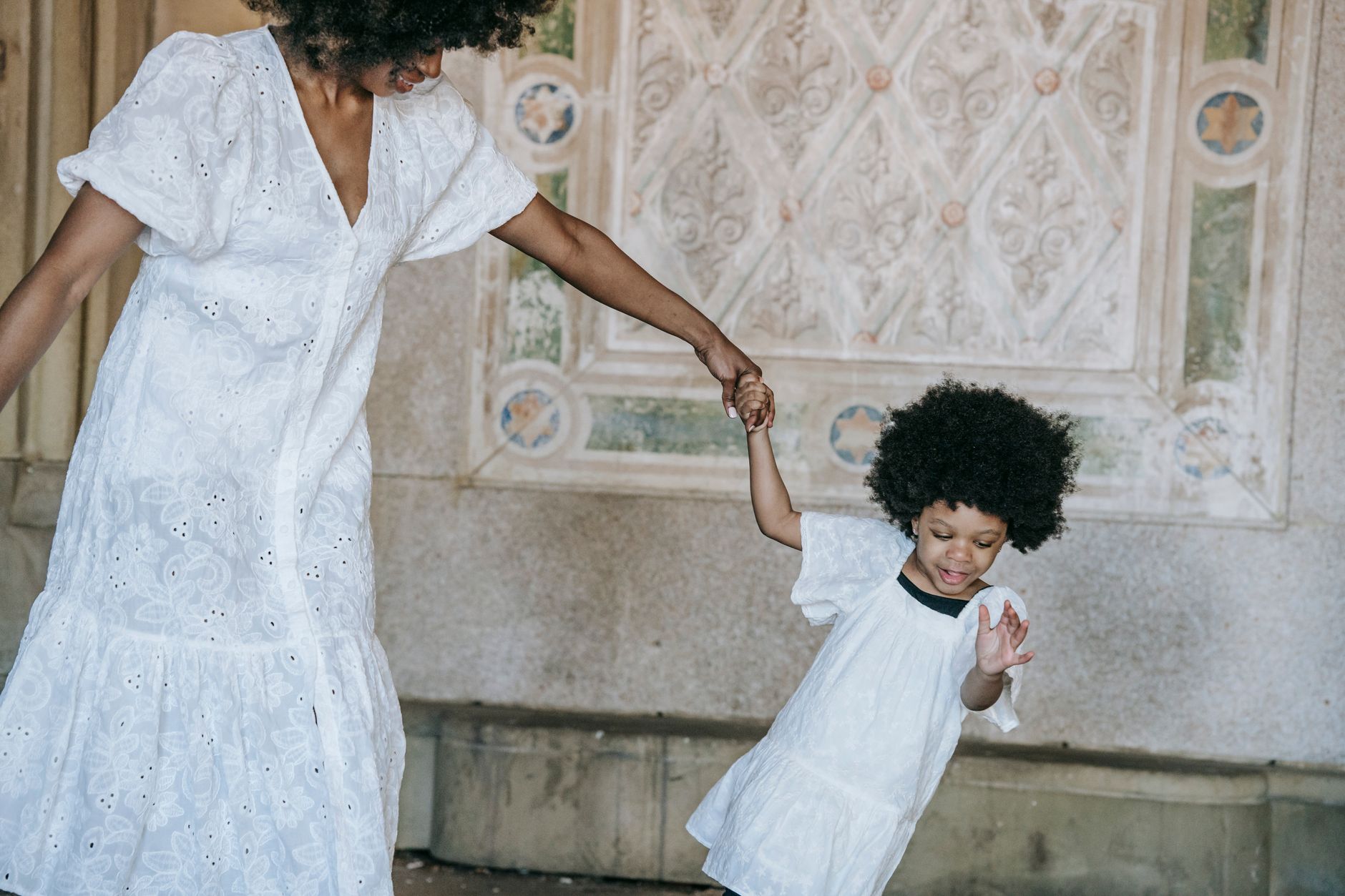
Broderie anglaise midi skirts do not have that problem. The eyelet detailing creates visual texture that is structured and decorative at the same time. The fabric – usually cotton or a cotton blend – holds its shape without the stiffness of a formal material. The cutwork itself catches light in a way that linen simply cannot, giving even a plain white or ivory skirt a complexity that does not require accessories to carry it. You can pair a broderie anglaise midi with a simple fitted tank and the skirt still looks like the outfit made a decision.
There is also the question of occasion versatility. The pleated linen midi always skewed casual, no matter how you styled it. A broderie anglaise midi moves between a beach lunch and a garden wedding with almost no effort. The eyelet pattern reads as considered without veering into overtly formal territory – a balance that linen’s softness rarely achieves.

How the Midi Length Became the Right Canvas
Broderie anglaise has appeared at different lengths before, but the midi is proving to be its most effective format. The broderie anglaise maxi skirt leans romantic and a little maximalist – beautiful, but it asks a lot from the wearer. A mini in the same fabric can feel more costume than clothing depending on the context. The midi hits a length where the eyelet pattern has enough real estate to register as a design element rather than a trim detail, while the hemline keeps the overall proportion grounded and wearable across a wider age range and more body types.
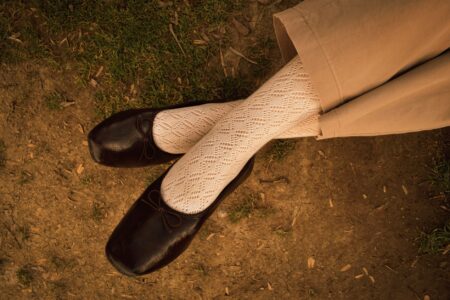
The silhouette itself is doing a lot of work right now. Midi lengths in general are holding firm even as micro trends cycle rapidly around them. They photograph well, they travel well, and they sit at a length that does not require careful attention to footwear in the way that maxis do. A broderie anglaise midi in particular benefits from that heel-to-ankle exposure – the gap between hemline and shoe is where the skirt’s femininity gets its final punctuation.
Styling options are wide open. Tucked-in linen shirts, fitted ribbed knit tops, straight-cut blazers thrown over bare shoulders – the broderie anglaise midi accepts all of it. That adaptability is what is making it a repeat purchase rather than a single-season experiment. Wardrobes built around it have more range than wardrobes built around the pleated linen equivalent, and people are noticing that after a summer of wearing both.

The Quiet Replacement Already in Motion
Small boutiques and contemporary brands are reordering broderie anglaise skirts in a way they are not reordering pleated linen. The reorder signal is significant – it means customers are not just buying out of curiosity, they are coming back or telling their networks. The pleated linen midi is still available everywhere, but it is increasingly sitting in the sale section by mid-season, while broderie anglaise versions in the same price bracket sell through faster. That commercial pattern is the most honest indicator of which direction the trend is actually moving, regardless of what the editorial mood boards suggest. The linen skirt is not gone – it will likely settle back into its permanent casual wardrobe role – but as the summer midi of the moment, it has been replaced, and the piece holding that position now is one that has been embroidered by hand since the 16th century.