


The shirt dress had a good run. Structured, utilitarian, endlessly styled – it became the default for women who wanted to look put-together without trying too hard. But something quieter, more textural, and decidedly more romantic has been stealing its closet space: the broderie anglaise midi dress.

Why Broderie Anglaise Is Having Its Moment
Broderie anglaise – the embroidered cutwork fabric with its distinctive eyelet pattern – carries a long history in European fashion, from Victorian children’s clothing to 1970s boho blouses. What makes its current iteration feel fresh is the silhouette it’s been paired with. The midi length grounds the fabric’s inherent delicacy, preventing it from reading as too girlish or costume-like. The combination creates something that works across a surprisingly wide range of contexts: garden parties, yes, but also casual Fridays and weekend farmers markets.
There’s also a tactile argument for it. In a period when so much fashion leans into synthetic fabrics and technical textiles, broderie anglaise reads as genuinely handcrafted. The visible needlework, the slight texture underhand, the way it catches light differently from every angle – these qualities satisfy a hunger for clothing that feels considered rather than mass-produced. The shirt dress, however well-constructed, rarely offers that.
Retail signals have been tracking this shift for a few seasons now. Brands at every price point – from high street to luxury – have been expanding their broderie offerings, and the midi cut specifically keeps selling through faster than its mini or maxi counterparts. The sweet spot of the style lands just below the knee, hitting a length that feels modest without being matronly and summery without being impractical.
Color is part of the appeal too. While white and cream remain the classic expressions of broderie anglaise, the fabric has moved into dusty blues, sage greens, and even black – a colorway that previously felt counterintuitive for eyelet fabric but now reads as genuinely chic. The black broderie midi has become something of a stealth alternative to the LBD, offering texture where a standard little black dress offers none.
What the Shirt Dress Gets Wrong Right Now
The shirt dress’s core appeal was always its structure. Borrowed from menswear tailoring, it communicated efficiency – a dress that looked like it meant business, that didn’t require much thought beyond buttoning up. For a long stretch, that was exactly what fashion wanted. The cleaner the line, the better.
The problem is that “clean line” energy has started to feel exhausting. After years of quiet luxury aesthetics and pared-back minimalism dominating the conversation, there’s a visible appetite for something with more visual interest – not maximalism exactly, but texture, detail, a sense that craft went into it. The shirt dress, almost by definition, resists that. Its appeal lives in what it removes, not what it adds.
Styling the shirt dress has also become a more complicated proposition. Half-tucked, belted, worn open as a layer – the internet has produced so many iterations that the garment started to feel like a puzzle that had already been solved too many times. The broderie midi, by contrast, tends to require less external work. Its fabric does the heavy lifting. You can pair it with flat sandals and a raffia tote and the outfit feels complete without the belt debate.
There’s also a fit issue that the shirt dress never fully resolved. The button-front construction that gives it its structure is notoriously difficult to size for – gap-prone at the chest, shapeless through the waist if you size up to accommodate. The broderie midi, particularly versions with elasticated waistbands or smocked bodices, tends to have a more forgiving and flattering relationship with the body across a broader range of sizes.
This doesn’t mean the shirt dress is disappearing. It still sells. It still has its devotees. But in terms of where the energy is going – where the editorial shoots are pointing, where the styling direction has been pushing – the broderie midi has taken the lead. It photographs better, it moves better, and right now, it just feels more alive.
How to Wear the Broderie Midi Without Looking Like a Garden Party Cliche
The risk with broderie anglaise is obvious: lean too far into the romantic associations and you end up looking like you’re dressed for a Jane Austen adaptation. The antidote is contrast. Pair the dress with flat leather slides rather than strappy heeled sandals. Choose a structured leather or woven bag over a dainty clutch. Keep jewelry minimal and slightly architectural – thin gold hoops rather than pearl drops. The fabric brings enough softness on its own; the accessories don’t need to echo it.
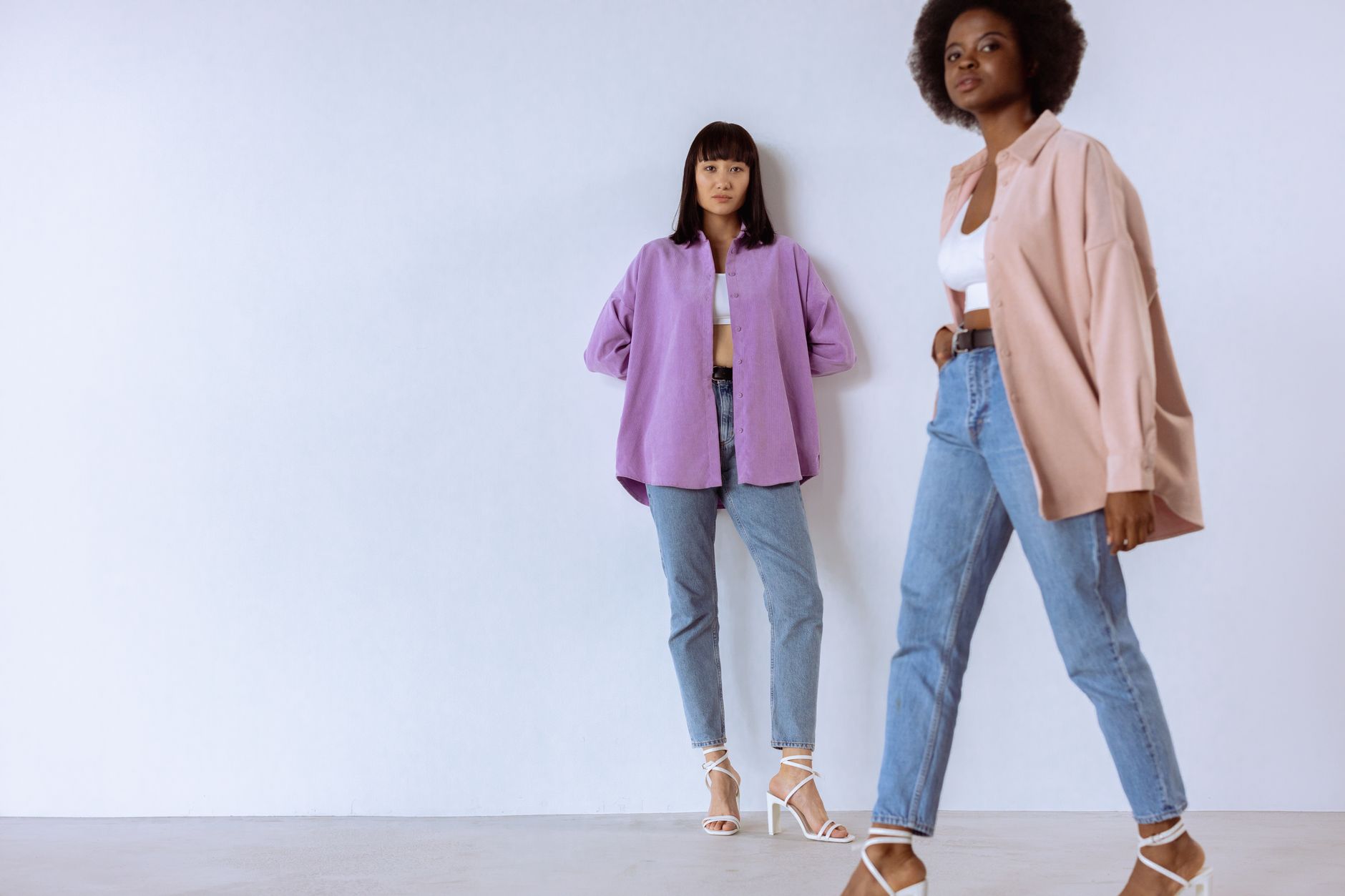
Footwear is where the dress gets its clearest signal update. Styled with chunky loafers or even simple white sneakers, the broderie midi stops reading as precious and starts reading as intentional. That gap between the fabric’s inherent femininity and a more grounded shoe choice is exactly where the look becomes interesting – and exactly why it’s pulling attention away from the shirt dress, which rarely generates that kind of productive tension.
Frequently Asked Questions
What is broderie anglaise fabric?
Broderie anglaise is a cotton fabric featuring embroidered eyelet cutwork patterns. It has roots in Victorian-era European fashion and is known for its delicate, textural appearance.
How do you style a broderie anglaise midi dress without looking too feminine?
Pair it with flat leather slides, chunky loafers, or white sneakers, and choose a structured bag. The contrast between the fabric’s softness and more grounded accessories keeps the look current.