
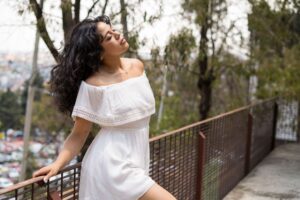

The linen shirt dress had a good run. Reliable, breathable, endlessly reblogged – it became the default warm-weather uniform for anyone who wanted to look put-together without trying too hard. But this season, a different silhouette is quietly taking its place on the rails, in the influencer photos, and in the sold-out notifications landing in inboxes: the broderie anglaise maxi dress.
Why the Maxi Is Winning the Warm-Weather Conversation
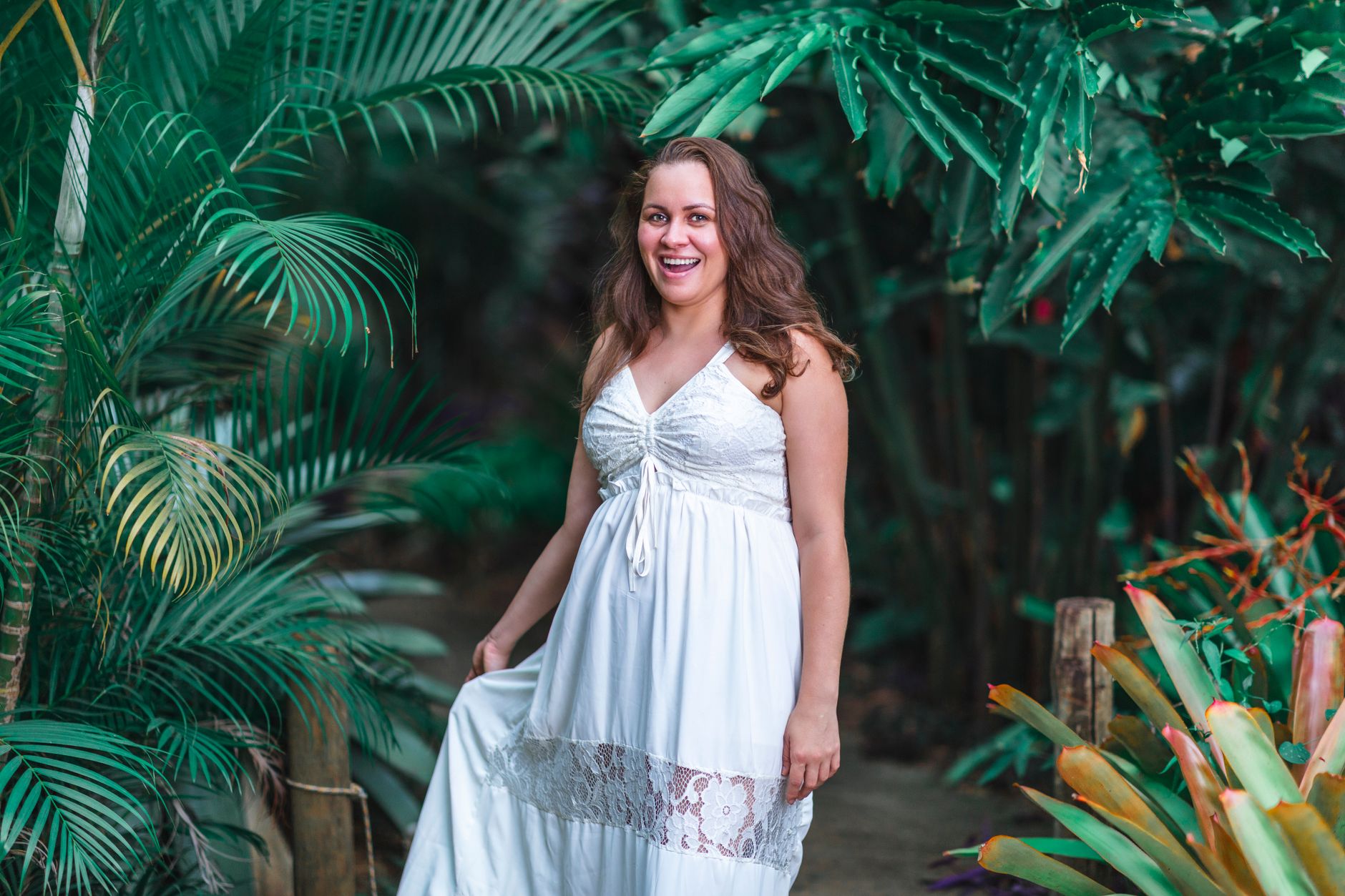
The shift is subtle but unmistakable. Where the linen shirt dress leaned into utility – pockets, buttons, a collar that read vaguely “off-duty editor” – the broderie anglaise maxi operates on a completely different register. It is unabashedly pretty. It does not apologize for being feminine. And right now, that is exactly what a growing number of shoppers are looking for.
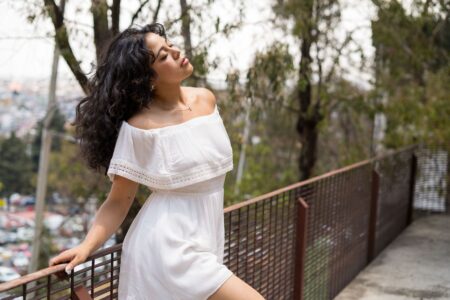
Broderie anglaise, the centuries-old embroidery technique defined by its punched-out eyelet patterns and delicate cutwork, has always carried a certain nostalgic warmth. It reads countryside wedding, it reads vintage French market, it reads like something you would find at the back of your grandmother’s wardrobe and immediately want to steal. The maxi length extends that romantic quality, trading the casual energy of a knee-grazing hem for something with a little more presence.
The linen shirt dress, by contrast, has become almost too familiar. Scroll through any summer lookbook from the last three years and you will find a near-identical version: slightly oversized, belted at the waist, worn with sandals and a tote bag. It is not that the look stopped working – it is that it stopped feeling like a choice. The broderie maxi still feels deliberate. Wearing one reads as an actual decision rather than a default.
Length is doing serious work here. The maxi silhouette photographs differently, moves differently, and – crucially – solves the summer problem of too much sun exposure without resorting to the slightly frumpy territory of linen midi dresses that hit at an unflattering mid-calf point. A floor-grazing hemline in white or ivory broderie anglaise has the kind of effortless drama that works across contexts, from a beach lunch to an evening garden party.
How Brands Are Positioning the Silhouette
High street and contemporary labels have picked up on the demand quickly. Brands that built their summer ranges around the shirt dress format in previous years are introducing broderie anglaise maxi styles as centrepiece pieces rather than afterthoughts – often pricing them at the higher end of their accessible range, which signals both confidence in demand and awareness that customers are willing to spend more for the perceived elevation of the style.
The fabric itself helps justify that positioning. Broderie anglaise requires more production complexity than plain linen weave. The eyelet patterns – whether machine-produced or, at the premium end, hand-finished – add texture, weight distribution, and visual interest that a single-layer linen shirt dress simply cannot match. When a garment has that level of surface detail, it carries the perception of craftsmanship regardless of its price point, which is useful for brands operating in the mid-market space.
Styling choices are also telling. The broderie maxi is being shown almost universally with minimal accessories – a simple leather sandal, maybe a gold hoop earring, occasionally a raffia bag. There are no chunky trainers, no layered necklaces, no baseball caps to “dress it down.” The styling direction suggests the dress is meant to be the whole look, not a canvas for accessory play. That is a different commercial logic to the shirt dress, which practically required add-ons to feel complete.
The colour story has stayed narrow, which is another indicator of how seriously brands are taking the silhouette. White, off-white, and pale ecru dominate. Some labels are introducing dusty blush or sage, but the core palette remains rooted in the tradition of the fabric itself. Broderie anglaise in white is not a trend choice – it is the correct choice, historically speaking, and brands seem to know that leaning into that heritage makes the style feel more considered than seasonal.
The broderie anglaise midi dress has been building this foundation for a couple of seasons already, proving that the eyelet aesthetic could translate beyond its cottage-core associations and into something genuinely wearable for a wider audience. The maxi length takes that established credibility and pushes it further into occasion-ready territory.
The Practical Case Nobody Is Making Loudly Enough
Beyond aesthetics, there is a straightforward practical argument for the broderie anglaise maxi that gets overlooked in favour of the more romantic framing. The eyelet construction is ventilated by design – air moves through the cutwork in a way it cannot through a solid linen weave, making the dress genuinely cooler on warm days despite covering more skin. It is also more forgiving in terms of fit. The fuller skirt volume of most maxi styles removes the anxiety of a waist-cinching silhouette, which the belted shirt dress depends on to look right. If your proportions do not naturally suit the belted format, the shirt dress can feel like work. The broderie maxi tends to look better on a wider range of bodies with considerably less effort.
There is also the question of what happens when summer shifts into early autumn. Linen shirt dresses have a hard seasonal cut-off – they read warm weather, full stop, and transitioning them into September feels like denial. A white broderie anglaise maxi, layered over a simple long-sleeve fitted top or worn under a camel trench, extends its wearable window considerably. That versatility matters to shoppers who have become more deliberate about cost-per-wear calculations, even if they would never describe it in those terms.