

The Flat Shoe Moment Nobody Saw Coming
The ballet pump has held its ground for years – comfortable, minimal, endlessly versatile. It became the default answer to the question of what to wear when heels felt like too much. But something has been shifting on the street style circuit and in the quieter corners of fashion weeks: a new flat is gaining serious traction, and it carries eyelet lace, cotton cutwork, and a distinctly romantic sensibility. The broderie anglaise flat is no longer a niche choice. It is becoming the flat of the season.
This is not about a sudden trend drop or a single campaign push. The shift has built gradually, the way the most durable style changes do – through repeated appearances on the right feet, in the right settings, until it stops feeling like a statement and starts feeling inevitable. The broderie anglaise flat is at exactly that tipping point right now.
Why Broderie Anglaise Works on a Flat
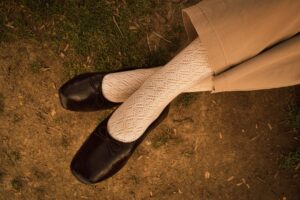
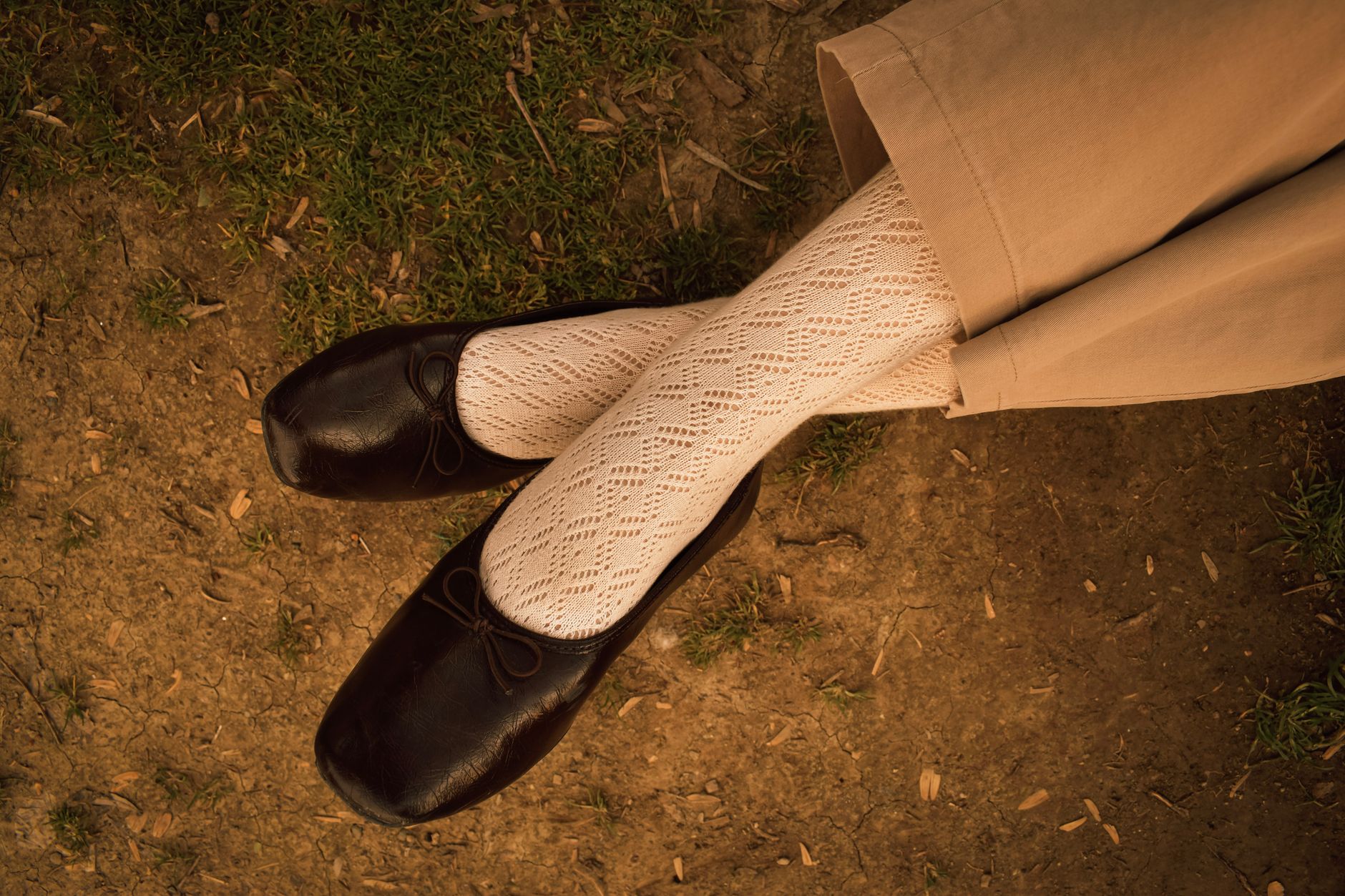
The fabric has always been associated with lightness – the open embroidery, the scalloped edges, the way it lets air and light through. On garments, that quality translates into a softness that reads as effortless rather than overdressed. On a shoe, it does something different and arguably more interesting: it brings texture to a silhouette that is usually defined by its absence of texture. A ballet pump works through restraint. A broderie anglaise flat works through detail, and the contrast between those two approaches is where the appeal lies.
The construction also plays a role. Most broderie anglaise flats are built on a simple pointed or rounded toe last, often with a thin leather or rubber sole and a minimal heel counter. The embroidery or eyelet fabric is applied over the upper, sometimes lined in cotton or soft leather. That structure keeps the shoe lightweight – comparable to a ballet pump in terms of wearability – while adding a visual richness that makes the foot look considered rather than simply shod. It is a subtle distinction, but in fashion, subtle distinctions are exactly what move the needle.
How It Is Wearing in Practice
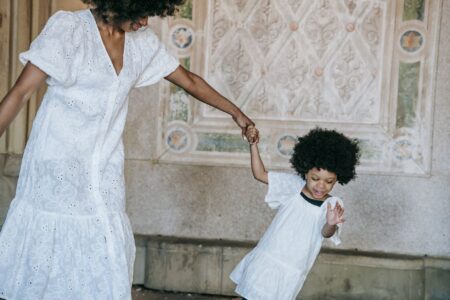
The most consistent styling pairing emerging this season places the broderie anglaise flat against fluid midi skirts – particularly in white, ecru, and pale sage. The shared fabric vocabulary between a cotton eyelet skirt and an eyelet flat creates a quiet cohesion that feels deliberate without being matchy. It is the kind of outfit that photographs beautifully and also just looks good in person, which is not always the same thing.
It also works against harder pieces in a way the ballet pump sometimes struggles with. Straight-leg denim, tailored trousers in linen or cotton, even wide-leg suiting – the broderie anglaise flat introduces a softness at the foot that balances the structure above without undercutting it. The ballet pump tends to disappear under those looks. The eyelet flat holds its own.
Broderie anglaise as a trend has been building across multiple categories this year. The broderie anglaise trouser has been making a case against linen wide-legs in much the same way – the fabric offering enough visual interest to carry a bottom-heavy silhouette without relying on a bold colour or print. Across categories, the story is consistent: broderie anglaise is doing more work than the minimalist alternatives it is replacing.
Color remains mostly restrained. White and off-white dominate, with pale pink and dusty blue appearing occasionally. The embroidery itself provides enough variation that a neutral base does not read as boring – the cutwork patterns, the scalloped edges, the density of the eyelet work all differ between styles, making each shoe feel distinct even within a shared palette.
The Ballet Pump Is Not Gone
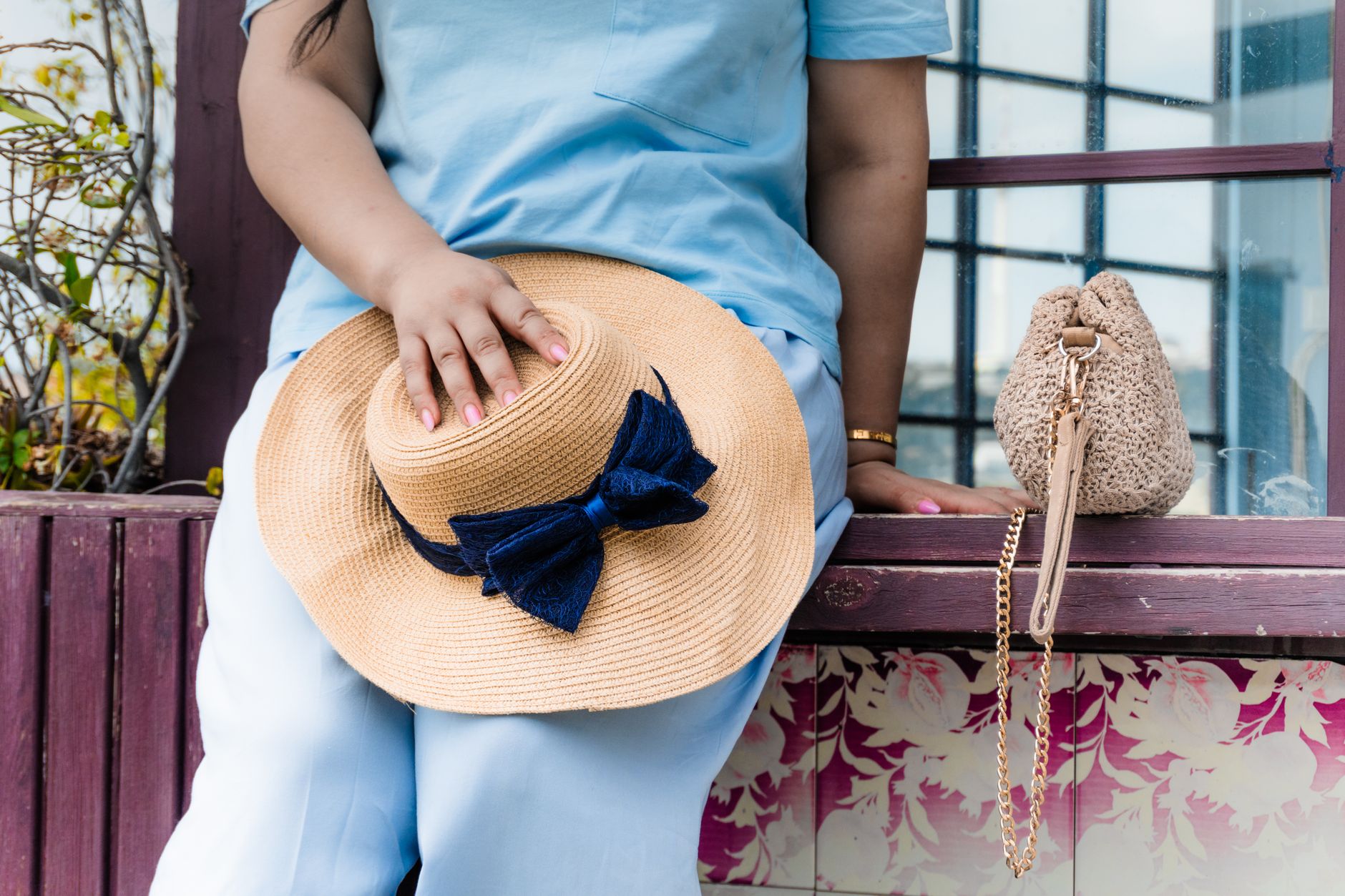
The ballet pump is not disappearing. That would be too strong a claim for what is, at this stage, a competitive shift rather than a replacement. The ballet pump retains real advantages – it is easier to find at every price point, it has a longer wear history that makes it feel safe, and in its most stripped-back form it genuinely suits situations where the broderie anglaise flat might feel too decorative. Office environments with formal dress codes, travel days, certain minimalist wardrobes – the ballet pump still makes sense in those contexts.
What the broderie anglaise flat offers that the ballet pump does not is occasion range. A simple leather ballet flat can read as too casual for a summer event and too plain for an evening setting, landing in a slightly awkward middle ground. The eyelet flat, because of its detail and its association with considered dressing, reads up more easily. It bridges the gap between daywear and occasion dressing without requiring a heel.
Where to Find the Best Versions
The strongest executions of the broderie anglaise flat right now are coming from brands that approach the silhouette seriously – using quality cotton eyelet fabric rather than a synthetic approximation, and finishing the edges properly with genuine scalloping rather than a laser-cut imitation. The difference in wear and appearance is significant enough to justify seeking out the better-made versions, even at a higher price point.
Mid-range and contemporary brands have picked up on the trend quickly, which means there is genuine range available. The key differentiators to look for are sole flexibility (a rigid sole undermines the light feel the shoe should have), the neatness of the eyelet work, and the quality of the lining – cotton linings breathe far better than synthetic ones, which matters given that this is a warm-weather shoe by design.
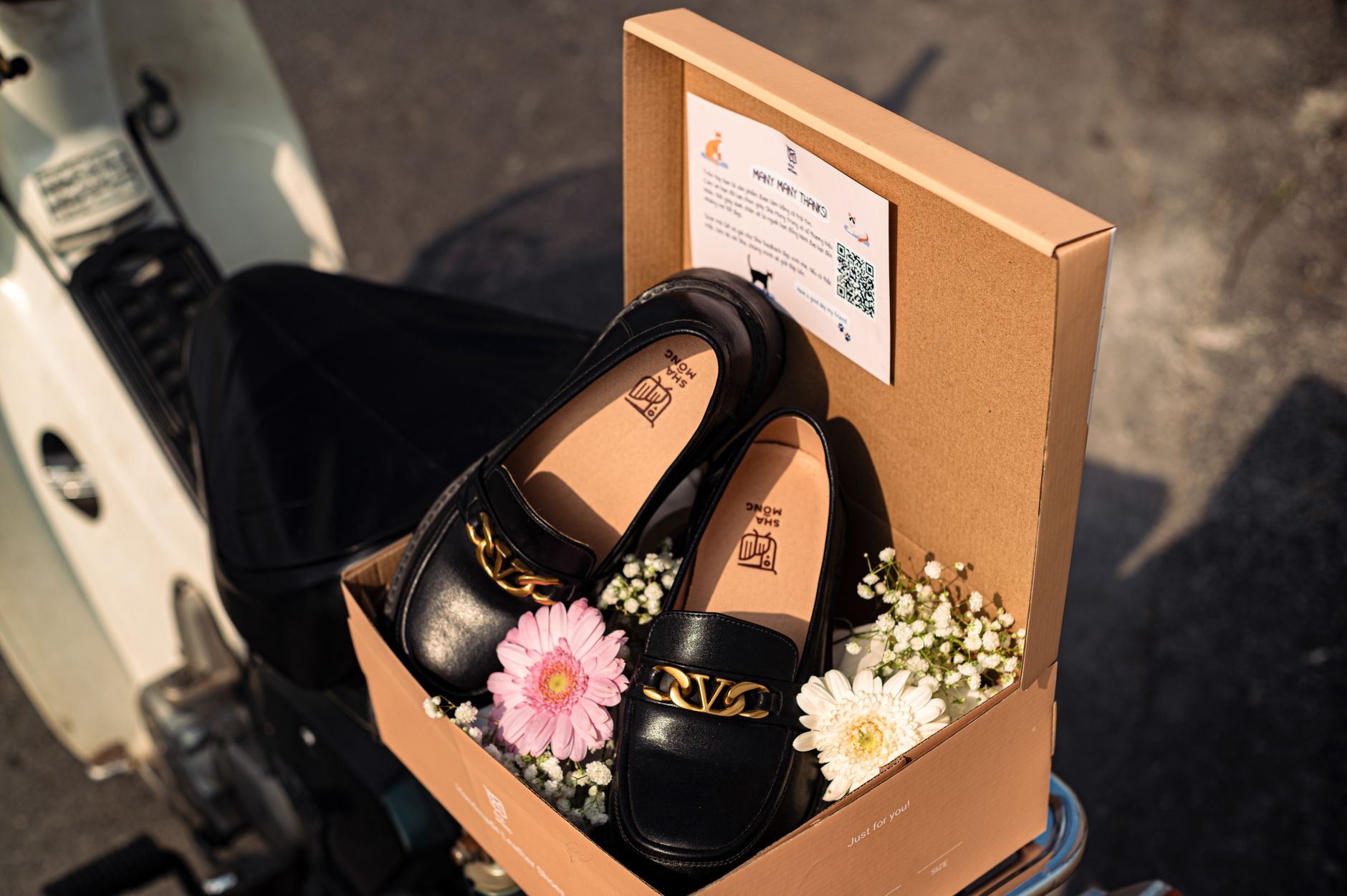
The pointed-toe version is currently outperforming the round-toe in terms of styling versatility – it elongates the leg more effectively and pairs more cleanly with tailored pieces. But if the rest of the outfit leans soft and romantic, the round-toe version carries that register better without tipping into a look that feels confused about its own references.