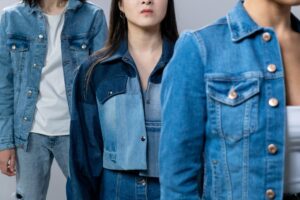


The classic denim jacket has held its ground for decades – a wardrobe constant that survived every micro-trend and style cycle thrown at it. But something is shifting in the way people are reaching for outerwear this season, and the broderie anglaise denim jacket is at the center of it. Dressed up with cutwork embroidery and delicate eyelet detailing stitched directly onto denim, this hybrid piece is pulling attention away from the plain blue staple that once felt untouchable.
What makes this particular swap feel different from a typical seasonal novelty is how quietly it has happened. There was no single runway moment or viral campaign that announced it. Instead, the broderie anglaise denim jacket has been accumulating momentum through street style, small-batch designers, and the kind of slow-burn adoption that tends to stick around longer than trend-cycle flashes.
Why Broderie Anglaise and Denim Work Together
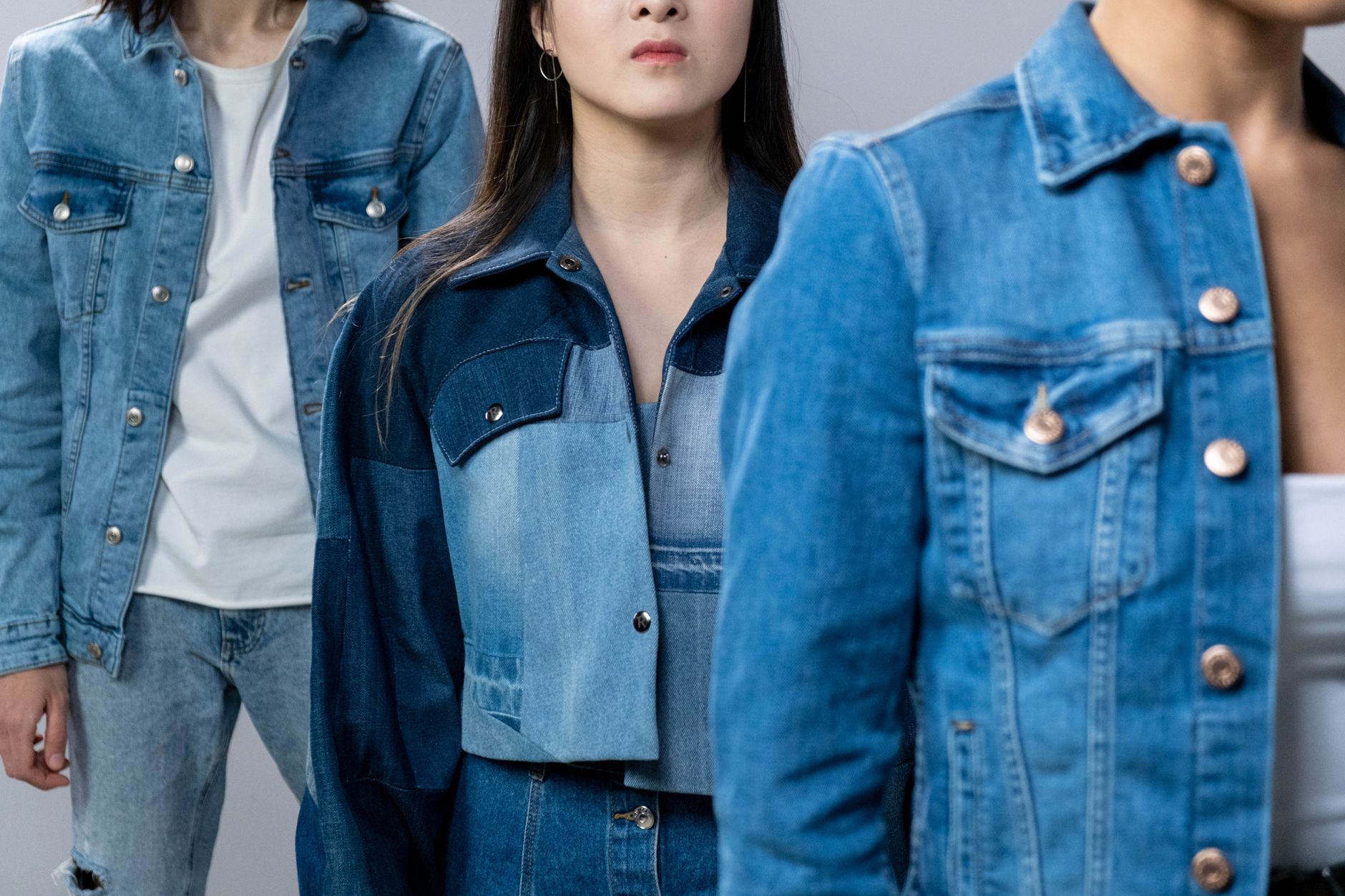
On paper, broderie anglaise and denim should not work as well as they do. One is rooted in Victorian-era cottage femininity – all white cotton, pulled threadwork, and cutwork flowers. The other is workwear fabric built for durability. The tension between them is exactly what makes the combination so appealing right now. Neither element cancels the other out; instead, each one pushes against the other’s associations in a way that feels genuinely fresh without trying too hard.
The broderie detailing typically appears along the collar, cuffs, or pocket edges – sometimes as a panel insert, sometimes as an all-over surface treatment on lighter washed denim. The effect is texture-heavy without adding bulk, which solves one of the perennial problems with embellished outerwear. You get visual interest without the jacket becoming the kind of piece that only works with one outfit.
How It Compares to the Classic Jean Jacket
The traditional denim jacket operates on a simple premise: neutral, reliable, almost invisible in the best possible way. It goes over everything and announces nothing. That invisibility has been its greatest strength for years, and it is also, increasingly, its limitation. A growing number of people who once defaulted to the classic cut are finding that it reads as slightly too safe, too expected – the fashion equivalent of a non-answer.
The broderie anglaise version does not have that problem. It carries a point of view without being loud about it. Worn over a slip dress or a simple white tee and wide-leg trousers, it reads as intentional rather than default. The embroidery does the work of making an outfit feel considered even when the rest of the look is stripped back. That ratio – decorative jacket, simple everything else – is what a lot of people are gravitating toward right now.
There is also a seasonal flexibility that the plain denim jacket cannot quite match. The eyelet construction of broderie anglaise creates small perforations across the fabric, which means these jackets breathe better in warm weather. That makes them more practical for late spring and early summer layering, a window where the classic denim jacket can feel heavy and flat. The lighter denim bases that most broderie versions use reinforce this – many are working with pale ecru, white, or soft chambray rather than the indigo weights associated with traditional jean jackets.
Styling the broderie anglaise jacket does require slightly more thought than its plain counterpart. Because the detailing reads as feminine and textural, it can clash with certain aesthetics – heavily logoized streetwear, for instance, or very structured tailoring. It works best in relaxed, slightly romantic dressing. The same linen-forward, easy-silhouette direction that has been gaining ground alongside the linen shirt dress trend provides a natural home for it. Those two pieces share a sensibility: tactile fabric, a nod to traditional craft, and a deliberate looseness in how they sit on the body.
Where the Trend Is Coming From
The broderie anglaise jacket’s current momentum is not coming from the top of the market. It has not been pushed by a single luxury house as a hero piece. Instead, it has grown out of independent designers and small-run labels working with deadstock denim and vintage embroidery techniques, along with a handful of high street brands that picked up on the signal early. That origin point matters because it means the piece does not carry the price barrier that often limits how widely a trend spreads.
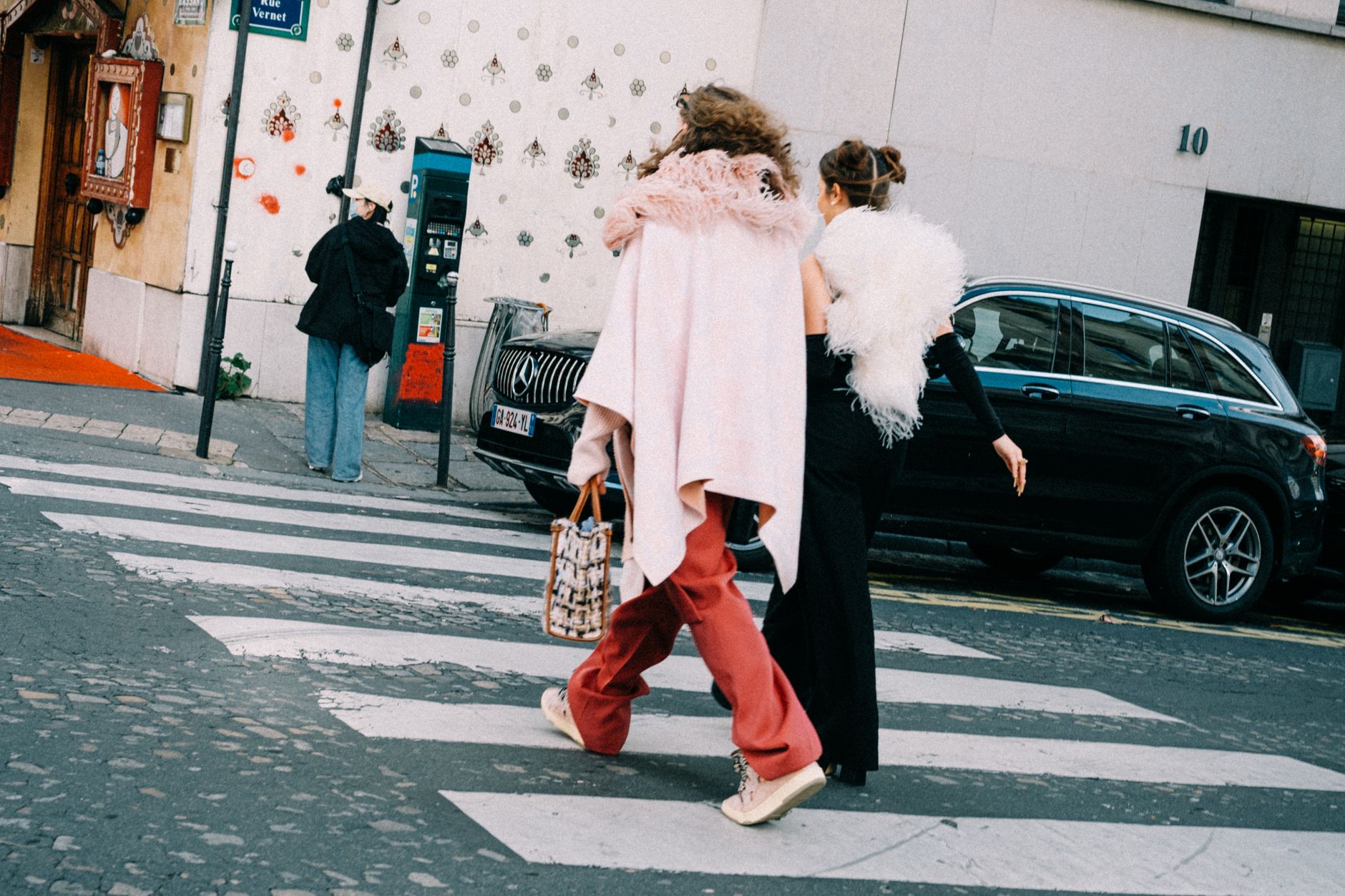
Street style coverage from recent European fashion weeks showed the jacket appearing repeatedly in outfit combinations that were otherwise minimal – worn open over a fitted ribbed vest, or belted loosely over a midi skirt. The styling choices reinforce the idea that the jacket is being treated as the statement, not the support. That is a different role than the classic denim jacket typically plays, and it says something about what wearers want from their outerwear right now.
Who Is Wearing It and How
The broderie anglaise denim jacket is not age-specific, and that breadth of appeal is part of what gives it staying power. Younger wearers are pairing it with low-rise denim and simple basics, using the embroidery as a textural counterpoint to otherwise flat looks. Women in their thirties and forties are gravitating toward it as a way to add personality to the kind of neutral, considered wardrobes that have become a dominant aesthetic in that demographic.
Fit is doing a lot of the heavy lifting in how the jacket reads across different styling approaches. Oversized versions worn with straight-leg trousers sit in different territory than cropped cuts layered over longer dresses. The embroidery stays consistent as a design element, but the silhouette shifts the register significantly – from relaxed and casual to something closer to dressed-up daywear. That range makes the jacket genuinely versatile in a way that embellished outerwear often is not.
Color is another variable worth paying attention to. While the majority of broderie anglaise denim jackets on the market right now use white or ecru embroidery on pale denim – keeping the palette soft and cohesive – a smaller number of versions are experimenting with tonal embroidery, stitching the cutwork in shades close to the denim itself. Those versions read more subtle and are finding a slightly different buyer: someone who wants the texture without the contrast. It is a quiet design choice, but it opens the jacket up to a wider range of wardrobe contexts, particularly for anyone building around neutral or monochromatic dressing. Whether that tonal direction becomes the dominant version of this trend, or stays a niche variation, is the question the next few months will answer.