
The Bustier Had a Good Run
For the better part of three years, the bustier top reigned as the definitive statement piece for anyone who wanted to look dressed without wearing a dress. Strapless, structured, occasionally boned – it was the garment that fashion weeks and fast fashion alike latched onto with equal enthusiasm. But something has been shifting quietly on shop floors and in street style photography: broderie anglaise corset tops are appearing in places the bustier used to occupy, and they are doing a more interesting job of it.
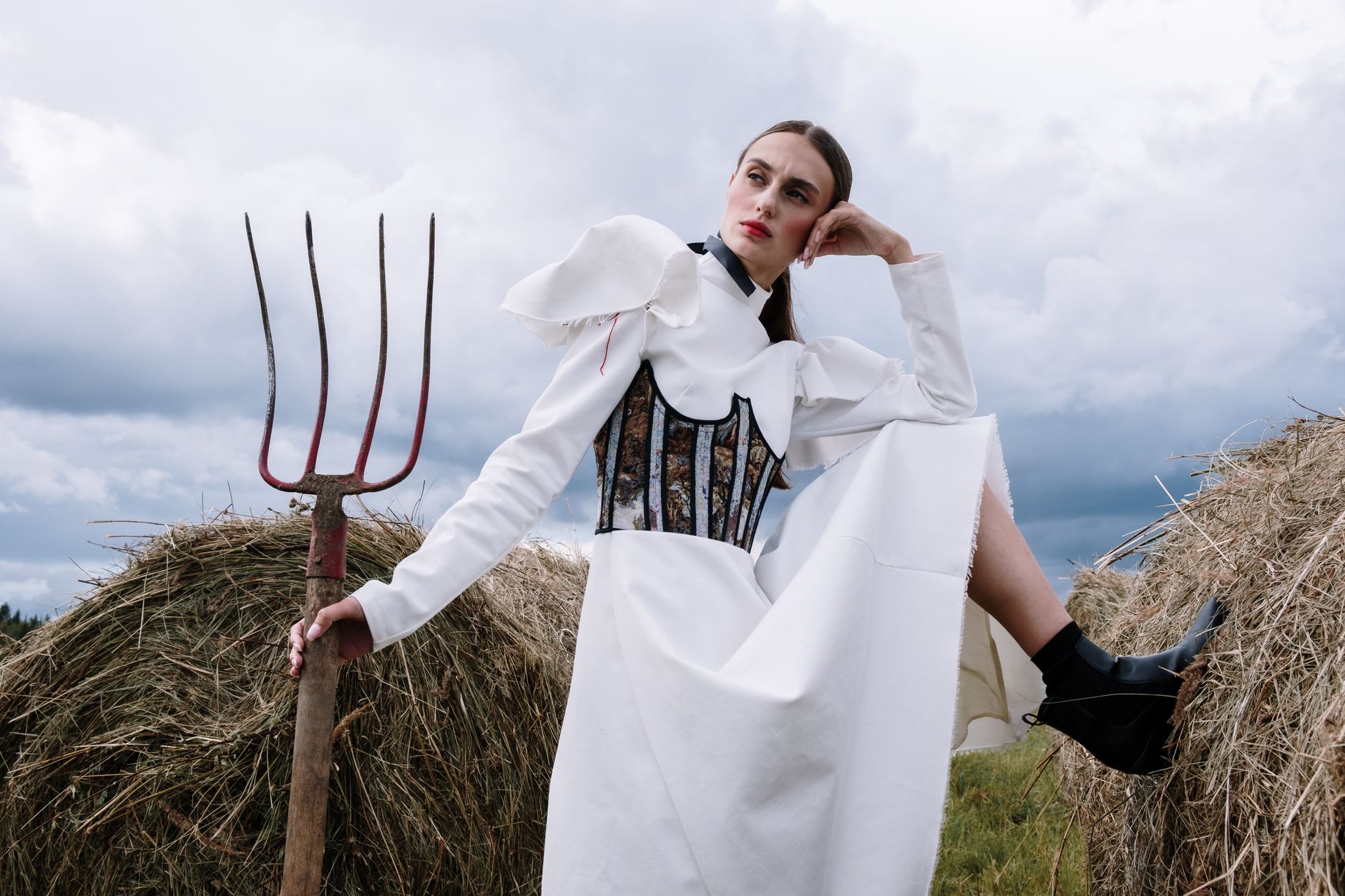
The broderie anglaise corset top takes two very different references – Victorian eyelet embroidery and the fitted, lace-up silhouette of historical undergarments – and collapses them into a single piece that reads as neither costume nor basic. It is romantic without being precious, structured without feeling restrictive. The fact that it is edging out the bustier is not a random occurrence. It is a direct response to where fashion’s appetite currently sits: softness, texture, and a certain studied femininity that the clean lines of a bustier simply cannot deliver.
1. The Texture Argument Is Winning
The bustier’s strength was always its sleekness. Satin, crepe, minimal seaming – it worked as a neutral canvas that let the rest of an outfit do the talking. That logic made perfect sense when maximalist accessories and statement trousers were leading the trend conversation. Now that dressing has quieted down in some quarters, the top itself is expected to carry more visual weight, and a flat bustier simply cannot compete with the dimensional surface of broderie anglaise.
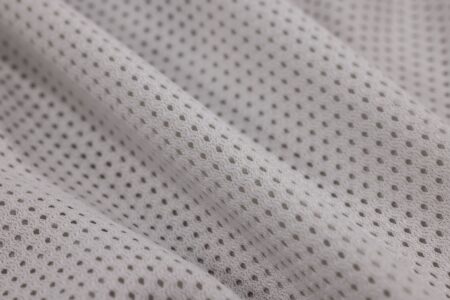
Broderie anglaise – the cotton fabric characterized by small, punched-out holes edged with embroidery – has an inherent visual complexity that photographs well, reads as expensive at a distance, and changes slightly in different lighting. It is one of those fabrics that rewards looking closely. A corset top cut from it gives you structure and softness simultaneously, which is a harder balance to achieve than it sounds. The eyelet work also creates a subtle layering effect where skin shows through the fabric’s holes, adding depth without resorting to sheer panels or cutouts.
2. It Solves the “Too Formal, Too Casual” Problem
The bustier always carried a faint undertone of occasion. Wear one to the grocery store and it reads as trying too hard; wear one to dinner and it is exactly right. That narrow window of appropriate context became a liability as the broader shift toward relaxed dressing picked up pace. People stopped wanting tops that required an event to justify them.
The broderie anglaise corset top navigates this differently. The fabric itself – cotton-based, airy, visually connected to summer dresses and country garden aesthetics – carries a casual register even when the corset structure underneath it signals effort. The result is a top that can go to a Saturday market in the morning and a rooftop bar in the evening without requiring the wearer to justify the choice either way. Pair it with wide-leg jeans and it reads as weekend dressing. Pair it with a tailored skirt and it becomes evening appropriate. That range of function is exactly what the bustier struggled to provide.
The lace-up or hook-and-eye closure detail that distinguishes the corset variation from a simple broderie blouse adds a further element of interest – it introduces a fashion reference (historical undergarment, corseted silhouette) without leaning fully into it. The top acknowledges the trend without becoming the trend, which is where most wearable pieces live.
3. The Femininity Is Different This Time
Fashion goes through cycles of femininity, and they are not all the same. There is the aggressive, power-dressing kind, the delicate and retiring kind, and then there is the current mode – a femininity that feels self-aware and unbothered simultaneously. The broderie anglaise corset top fits neatly into that last category.
The bustier’s femininity was architectural. It referenced lingerie and eveningwear, which meant wearing one always had a slight edge of performance to it – you were presenting yourself as someone who wears bustiers. The broderie anglaise corset top has a different energy. The fabric reads as heritage, as handcraft, as something that has existed in wardrobes for generations rather than arrived from a runway season. Wearing it feels less like a statement and more like a preference, which is arguably more appealing to how people want to approach getting dressed right now.
4. It Works Harder With Seasonal Wardrobe Staples
One of the practical tests for any trend piece is how naturally it integrates with what people already own. The bustier demanded partners – specific trousers, particular skirt lengths, the right outerwear – to avoid looking like a costume component. The broderie anglaise corset top is considerably more flexible in this regard.
Throw it over a pair of linen cargo pants and the contrast between the delicate embroidered top and the utilitarian bottom half creates exactly the kind of friction that makes an outfit look considered rather than coordinated. It sits well under blazers because the broderie fabric is flat enough at the edges not to create bulk. It works tucked into midi skirts, left loose over high-waisted shorts, and layered under slip dresses in a way the stiff boning of most bustiers prevents. The corset structure keeps it from looking sloppy even when the styling is relaxed, which solves one of the perennial problems of warm-weather dressing.
5. The Price Point Is More Democratic
A well-constructed bustier – one that actually holds its shape and provides the support it implies – tends to be expensive. The structure requires boning, interfacing, and precise construction that drives costs up regardless of which brand is making it. That means the bustier trend lived most authentically at a price point that excluded a significant portion of the people who wanted to participate in it, and cheaper versions tended to look exactly like cheaper versions.
Broderie anglaise is a different proposition. The fabric is cotton-based and the embroidery technique, while skilled, is widely produced across a range of price points. A corset top in broderie anglaise at a mid-market price can look genuinely good because the fabric carries the look – the eyelet detail reads well regardless of whether the piece cost forty pounds or four hundred. The corset structure also requires fewer specialized components than a bustier, meaning the construction gap between high and low price points is smaller. The trend is accessible in a way the bustier never fully was, which partly explains how quickly it has spread across different style demographics.
6. Street Style Has Already Moved On
The earliest reliable signal that a trend is transitioning is not what appears on runways – it is what disappears from street style photography. Editors and buyers who set the tone for what filters down to retail are rarely seen in the same pieces two seasons running, and the bustier has been noticeably absent from the kind of considered, editorial street style that signals where things are heading next.
In its place, broderie anglaise has been appearing in the background of fashion week coverage, worn not as an obvious look but as an assumed choice – the kind of thing you put on when you are not thinking about being photographed but end up being photographed anyway. That is a significant indicator. Pieces that read as background dressing, as the default choice rather than the deliberate one, tend to be the ones that have genuine staying power. The bustier always looked like it knew it was being worn. The broderie anglaise corset top looks like it simply belongs.
7. The White Version Is Doing Particular Damage to the Competition
The broderie anglaise corset top’s most powerful iteration – the white-on-white version, where the fabric and the embroidery thread are the same shade – is arguably the cleanest encapsulation of why this piece works so well right now. It looks expensive without relying on embellishment. It photographs in a way that holds up across different backdrops and lighting conditions. And white broderie anglaise in particular has a long enough heritage in fashion and dress history that it does not read as trend-dependent – it reads as something that has always existed and is simply being remembered.
The bustier in white always risked reading as bridal or too closely related to lingerie. The broderie anglaise corset top in white sidesteps both associations entirely. The fabric grounds it in a different reference point – country summers, Victorian blouses, the kind of dressing that feels rooted in something other than a specific season’s trend direction. The irony is that while it feels timeless, the broderie anglaise corset top is doing something very specific to the cultural moment: offering a structured alternative to an overly familiar silhouette, wearing its complexity lightly, and asking very little of whoever puts it on. Which is exactly why the bustier is losing.