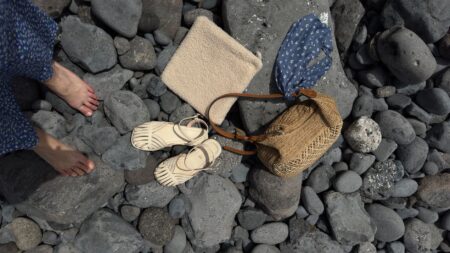



The straw clutch had a long run. Practical, breezy, endlessly photographed at farmer’s markets and beach dinners, it became the de facto summer bag for nearly a decade. Now broderie anglaise – the eyelet-embroidered cotton fabric long associated with heirloom blouses and vintage lingerie – is showing up at the bag wall, and it is landing differently than anything woven or raffia-wrapped has in years.
Why Broderie Anglaise Works as a Bag
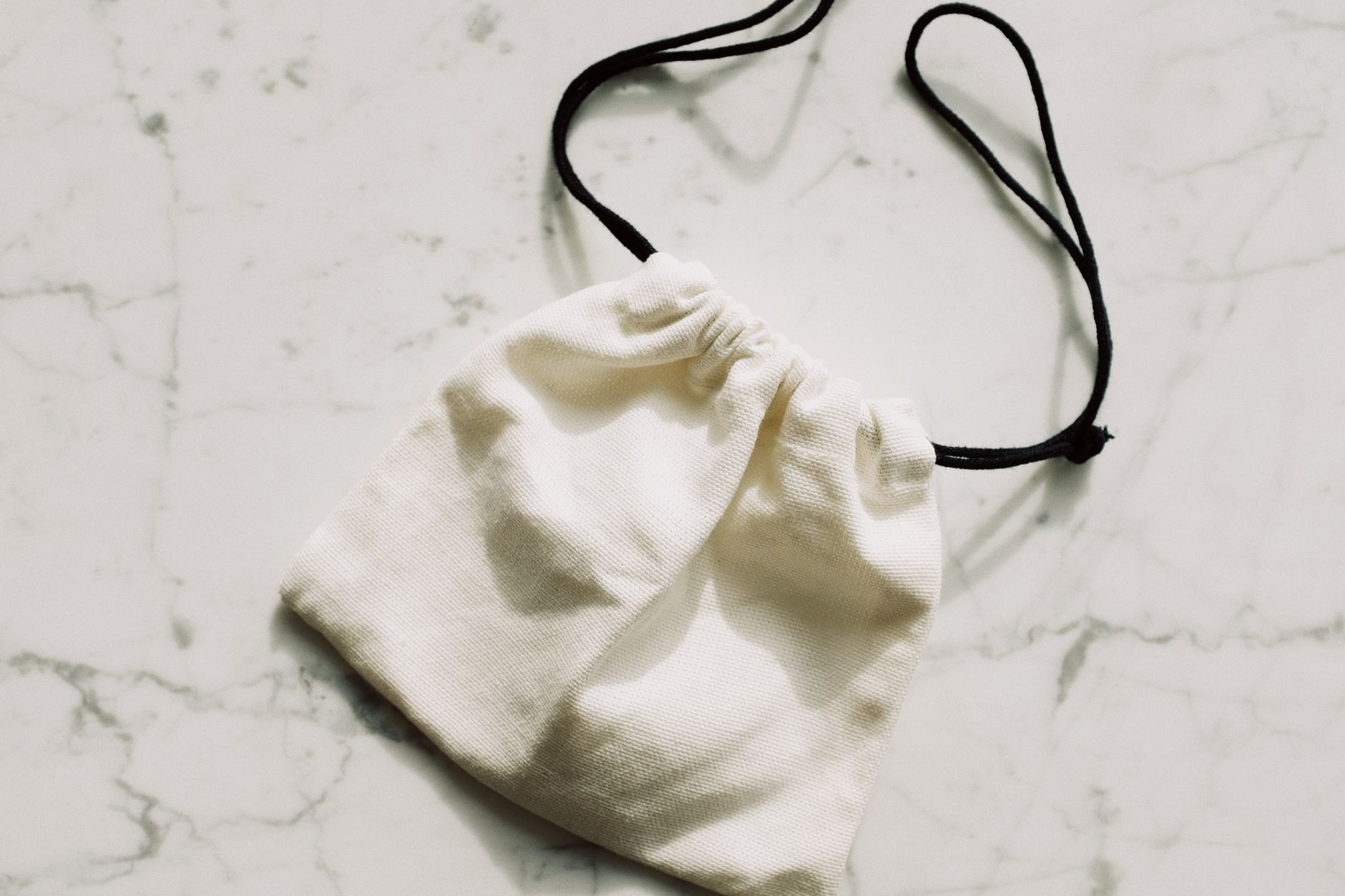
Fabric bags are not new. Canvas totes, velvet evening pouches, quilted cotton crossbodies – the category has always existed on the margins of serious accessory culture. What makes broderie anglaise different is the texture play. The cutwork pattern creates dimensional interest without weight, which gives the bag the lightness of summer while reading as more intentional than a simple woven style. It does not look like it came from a beach souvenir stand, and that distinction matters to how people are wearing it.
The structure tends toward soft – think slightly slouchy bucket shapes, gathered top handles, and unlined or lightly lined interiors. Some versions arrive as mini shoulder bags with delicate chain straps. Others are oversized totes with thick cotton handles and visible embroidery that faces outward deliberately. The fabrication rewards being looked at up close, which is exactly what a held or carried bag invites.
Color is another advantage. Broderie anglaise arrives predominantly in white and off-white, which photographs as clean and intentional rather than washed-out. Against summer tones – tanned skin, linen separates, sun-bleached denim – white fabric accessories have an elevated quality that khaki straw or natural raffia simply does not replicate. The all-white or cream-on-cream look is having a significant moment, and the broderie bag slots directly into it without requiring coordination effort.
The fabric also travels into evening in a way straw cannot. A broderie clutch with pearl hardware or a subtle ruffle at the clasp reads as dressed-up without being precious. That range – from a Sunday morning market run to a rooftop dinner – is what gives this bag its staying power beyond a single-season novelty.
How It Is Moving Through the Market
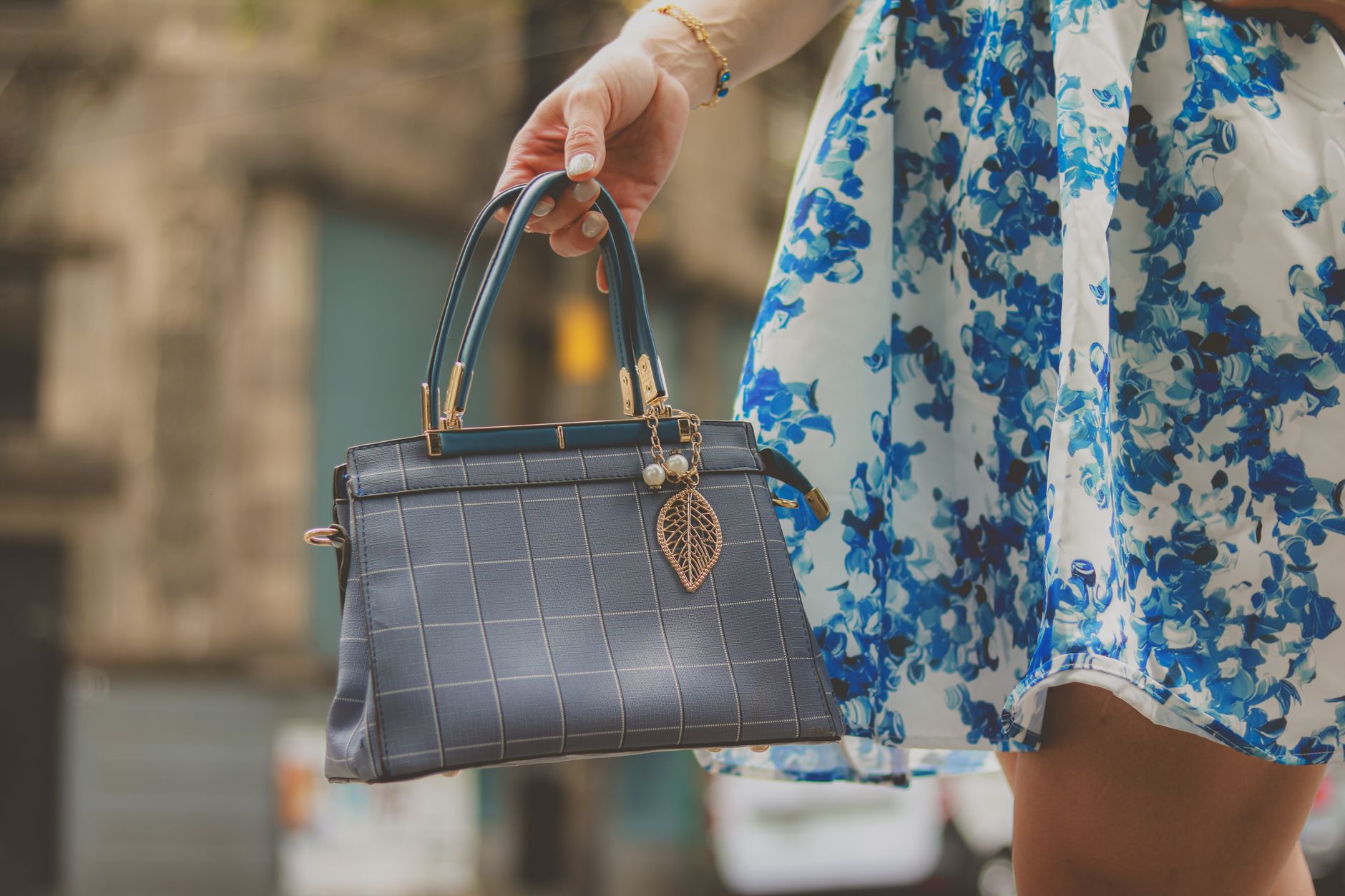
The shift is visible across price points, which signals a trend with real traction rather than a niche fashion moment. At the contemporary level, small brands are releasing limited broderie bucket bags and selling out quickly. At the high street level, broderie bags are appearing alongside the perennial straw options but sitting on different display fixtures – closer to the linen and cotton clothing sections, styled as part of an overall fabric story rather than an accessory afterthought. The visual merchandising choice alone tells you something about how retailers are reading the customer appetite for this look.
Styling choices on social platforms are reinforcing the shift. The broderie bag appears repeatedly in outfits that would previously have defaulted to straw – white sundresses, cotton midi skirts, oversized linen button-downs. The swap reads immediately because the silhouette and color register similarly, but the texture is more intricate and the connotation is different. Straw reads as relaxed vacation. Broderie reads as relaxed, but considered.
There is also a romanticism dimension driving interest. Broderie anglaise as a fabric carries associations with childhood dresses, grandmother’s aprons, and the kind of slow-made clothing that fashion has been cycling back to as a counterpoint to the speed of trend culture. When that same nostalgia is applied to an accessory, it arrives without the size or commitment risk of a full garment. A bag is a lower-stakes entry point for trying a fabric that some shoppers still associate primarily with blouses or tablecloths.
Worth noting: the broderie anglaise blouse has already established this fabric as a serious seasonal player rather than a passing curiosity, which means shoppers encountering a broderie bag are not being asked to take a leap on an unfamiliar material. The groundwork for fabric credibility is already in place.
The straw clutch is not disappearing – it is too functional and too widely produced for that. But its cultural position is shifting from default summer choice to one option among several, which is a meaningful change in a category that has been dominated by woven natural materials for years.
What to Look For When Buying
Quality in a broderie anglaise bag shows up in the density of the embroidery and the firmness of the base fabric. Thin cotton that puckers around the cutwork will not hold up through a season of regular use. Look for bags where the eyelet borders are reinforced or where a lining adds structural support without killing the fabric’s ability to breathe. Hardware – clasps, rings, chain links – should feel heavy relative to the bag’s weight; lightweight hardware on a fabric bag reads as an afterthought and tends to fail at the attachment points first.
Sizing matters more than it does with straw, because broderie anglaise does not compress or expand the way woven natural materials do. A bag that is too small will look lost against summer-volume clothing. The current sweet spot in the market sits around a medium crossbody or a structured mini tote – large enough to carry the essentials, small enough that the embroidery remains visible as a detail rather than disappearing into folds of fabric. The bags that read best are the ones where the cutwork pattern gets room to exist.