

The Flat Shoe Is Having a Very Specific Moment
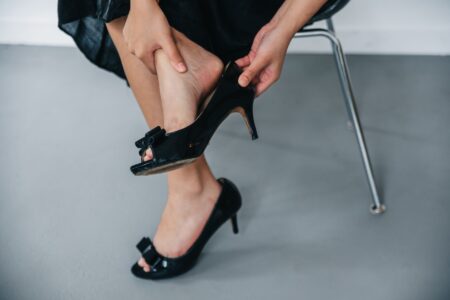
The kitten heel mule had a good run. After years of being positioned as the grown-up alternative to towering stilettos – refined, practical, vaguely European – it became the default shoe for anyone who wanted to look polished without committing to actual height. It filled office wardrobes, appeared at every garden party, and anchored countless “how to look chic without trying” roundups. Then the bow ballet flat showed up and quietly made it feel dated.
What’s happening now is less a trend and more a recalibration. The bow ballet flat is not new – it traces back to the codified femininity of mid-century dancewear and has appeared in various forms across several decades of fashion – but its current iteration carries a specific energy that the kitten heel mule simply cannot compete with.
It is, at its core, a shoe for people who have stopped performing effort.
Why the Kitten Heel Mule Lost Its Edge
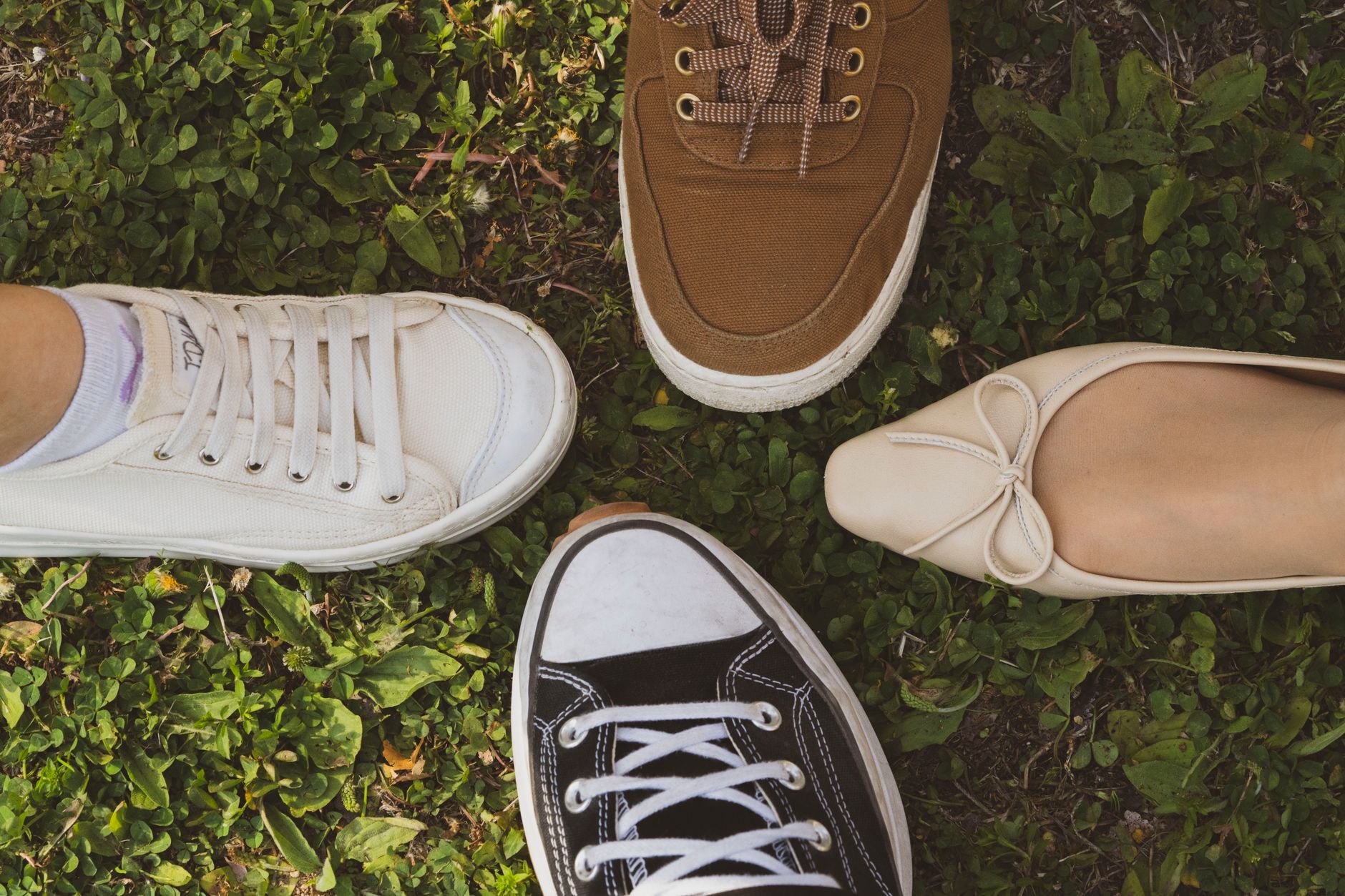
The kitten heel mule arrived at its cultural peak riding a wave of “quiet luxury” dressing. The case for it was straightforward: low enough to walk in, high enough to feel intentional, streamlined enough to pair with tailoring. Brands across every price point stocked it, and for a moment it felt like the rational choice. That rationality is exactly what’s working against it now.
Fashion at the moment is less interested in looking rational. The desire for softness, for pieces that read as playful rather than controlled, has pushed wardrobes in a direction the kitten heel mule simply wasn’t built for. A suede mule with a two-inch heel looks best alongside structured blazers and straight-leg trousers. It demands a certain posture, a certain composure. The bow flat asks for nothing. It works with a prairie skirt, with wide-leg denim, with an oversized linen shirt, with anything that wants to feel slightly undone.
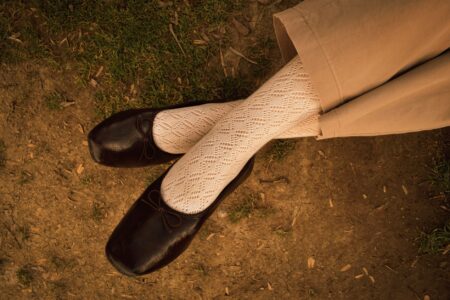
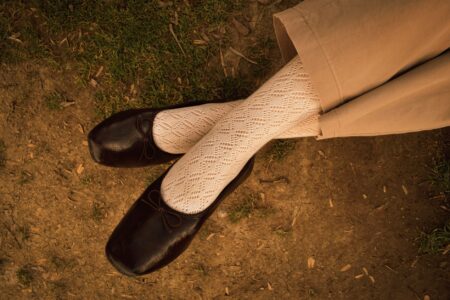
There’s also the question of the bow itself. The decorative bow – whether grosgrain ribbon tied at the toe, a sculptural satin knot at the vamp, or a gathered fabric detail at the ankle strap – functions as a signal. It communicates that the wearer is not trying to neutralize their femininity or soften it into something corporate-adjacent. They’re leaning into it, deliberately and without apology. That register feels much more current than the kitten heel’s understated restraint.
How the Bow Ballet Flat Actually Wears
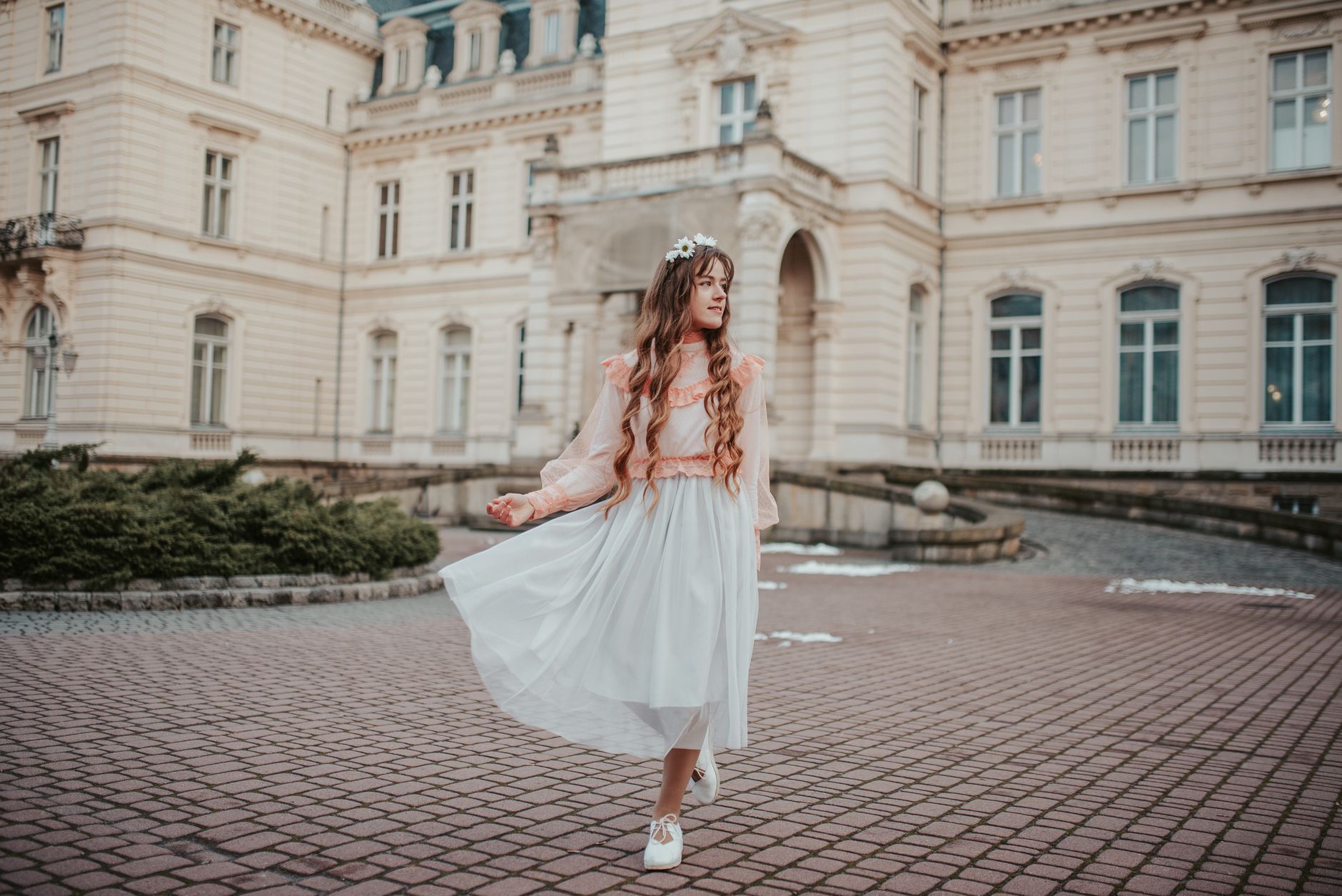
Part of what’s driving the bow ballet flat’s momentum is how easily it absorbs different styling directions. The same shoe that looks whimsical with a floral midi skirt reads almost ironic when worn with a sharp, oversized blazer and cropped trousers. That flexibility makes it a genuine wardrobe workhorse rather than a one-season novelty. It can carry the weight of an outfit without needing the outfit to carry it.
The silhouette itself matters here. Ballet flats have always worked best with fuller, more romantic shapes – the kind of volume that would make a heeled shoe feel like it’s fighting for dominance. The bow adds punctuation without adding height, which means the proportions stay balanced even with billowy dresses or wide trousers. The kitten heel, by contrast, creates a very specific visual line that works beautifully with tailoring and looks slightly awkward with anything floaty or oversized. The bow flat doesn’t have that problem. It is, in that sense, easier to dress.
Comfort is part of the conversation too, though it’s rarely the primary driver of what actually breaks through in fashion. The bow ballet flat happens to be genuinely comfortable – flat, usually with a slightly cushioned insole, and designed to stay on the foot without requiring the wearer to grip with their toes the way a mule demands. The fact that it also looks good is the point. Shoes that ask wearers to sacrifice either comfort or aesthetics are increasingly a difficult sell, and the bow flat offers a way out of that compromise entirely.
The Bow Flat’s Next Move
The bow ballet flat is already appearing in collections that position it not as an accessory to femininity but as the foundation of it – styled first, built around, rather than added after. That shift in how designers are treating it suggests the shoe has moved past trend status into something more durable. The kitten heel mule isn’t going anywhere, but it’s ceded its claim to being the obvious, easy choice – and that ground is very hard to win back once you’ve lost it.