



Taylor Swift disappears for weeks at a time, emerging with complete albums that redefine pop music. Her rumored songwriting retreats have become the stuff of industry legend, inspiring a new wave of artists to abandon traditional studios for creative isolation.
The practice gained attention after Swift’s surprise releases of “folklore” and “evermore,” albums reportedly crafted during extended periods away from the spotlight. Sources close to the singer describe remote locations where she immerses herself completely in the creative process, writing dozens of songs in concentrated bursts.
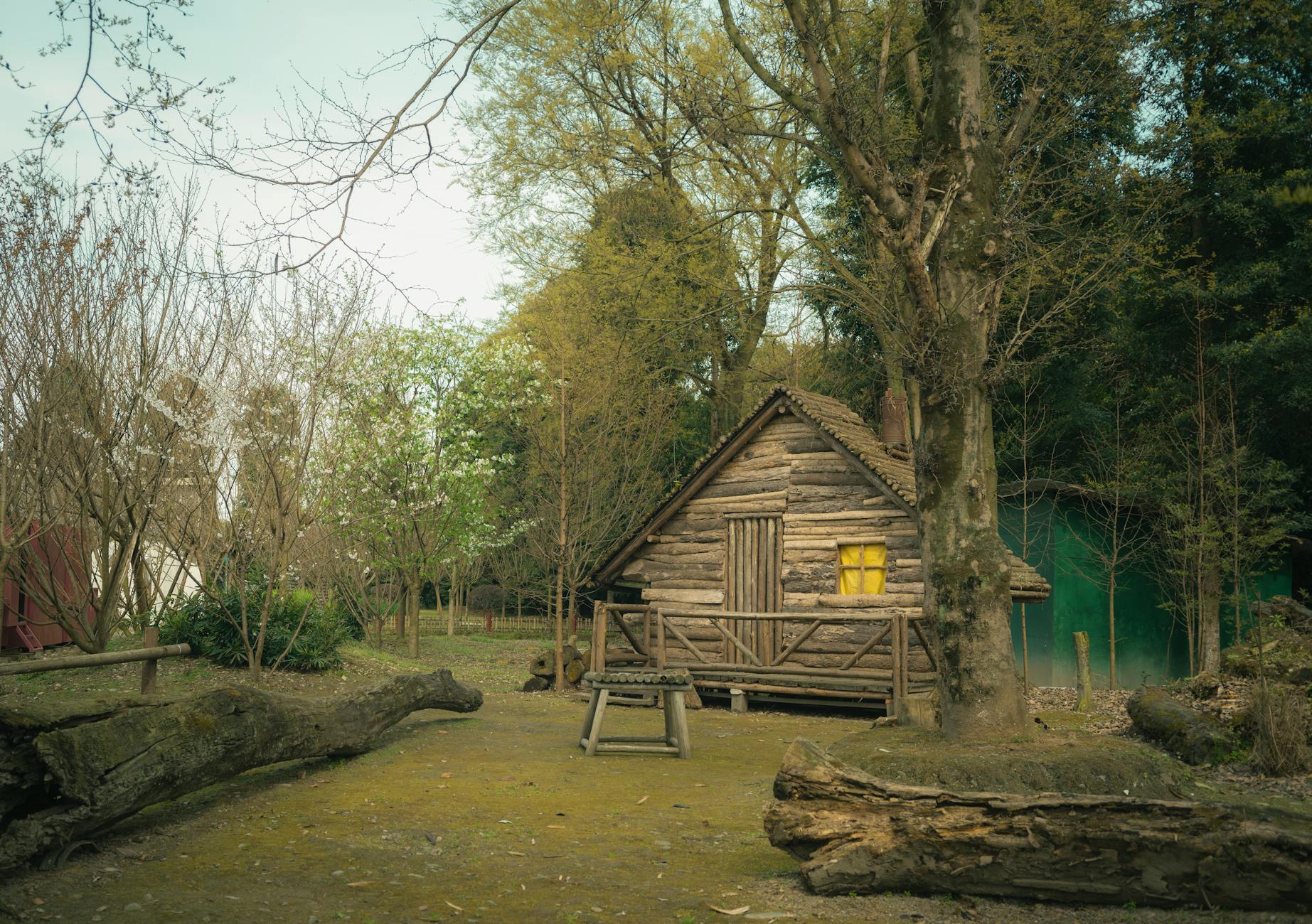
The Retreat Revolution Takes Hold
Following Swift’s success, major artists have begun adopting similar retreat-style approaches to songwriting. Billie Eilish reportedly spent three weeks at a secluded California ranch working on new material, while The 1975’s Matty Healy has spoken publicly about creative “lockdowns” where the band isolates themselves for intensive writing sessions.
Music producer Jack Antonoff, who has worked extensively with Swift, confirms the power of removing distractions. “When you take away phones, meetings, and the constant noise of the industry, something magical happens,” he said in a recent Rolling Stone interview. “Artists remember why they started making music in the first place.”
The concept extends beyond pop music. Country star Kacey Musgraves credited a two-week retreat in upstate New York for breaking through creative blocks on her latest project. Hip-hop producer Metro Boomin has organized collaborative retreats bringing together multiple artists for extended creative periods, resulting in some of his most acclaimed recent work.
Why Isolation Breeds Innovation
Music industry professionals point to several factors making retreats increasingly popular among top-tier artists. The constant connectivity of modern life creates what many describe as “creative interference” – the inability to focus deeply on artistic vision without interruption.
Songwriter Julia Michaels, known for crafting hits for artists like Justin Bieber and Selena Gomez, explains the psychological benefits: “When you’re isolated with just your thoughts and instruments, you access parts of your creativity that get buried under daily life. It’s like meditation, but you come out with songs.”
The retreat approach also allows artists to experiment without the pressure of immediate commercial expectations. Swift’s “folklore” marked a dramatic departure from her previous pop sound, something that might not have happened in a traditional studio setting with industry oversight.
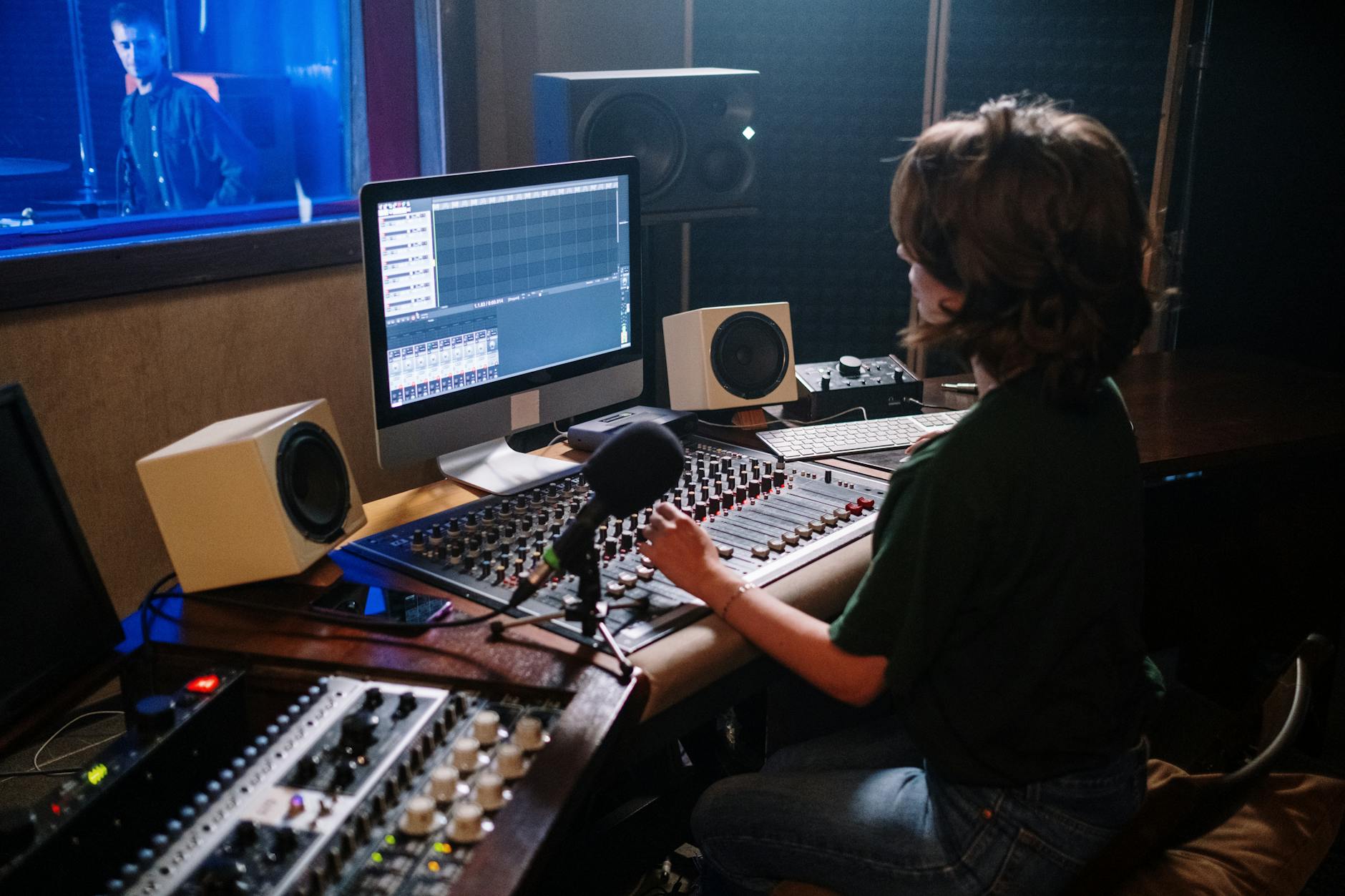
Streaming platforms have inadvertently encouraged this trend by making surprise releases commercially viable. Artists no longer need extensive promotional campaigns planned months in advance, allowing for the spontaneous creativity that retreats foster.
The Business of Creative Escape
The growing demand for songwriting retreats has spawned a new industry. Companies like Retreat Music and Creative Sanctuaries now offer curated experiences for artists, providing isolated locations equipped with professional recording equipment.
These services range from rustic cabins in the mountains to converted barns in rural areas, all designed to remove artists from their usual environments. Prices vary widely, but many artists consider the investment worthwhile for the creative breakthroughs they experience.
Record labels have also begun incorporating retreat budgets into artist development deals, recognizing their potential for generating commercially successful material. Universal Music Group reportedly allocates specific funds for what they call “creative residencies” for their top artists.
The trend has influenced music education as well. Berklee College of Music now offers retreat-style intensive programs, teaching students the discipline and techniques for productive creative isolation.
The New Creative Standard
Industry observers suggest that Swift’s retreat approach represents a broader shift in how music gets made. The traditional model of booking studio time and working within scheduled sessions increasingly seems outdated compared to the organic flow of retreat-style creation.

Younger artists, particularly those who grew up with Swift’s career evolution, view creative retreats as standard practice rather than experimental luxury. Olivia Rodrigo mentioned in interviews that she naturally gravitates toward extended writing periods, crediting Swift’s influence on her creative process.
The success of albums created through retreat methods has proven their commercial viability. Critics and fans consistently praise the cohesive artistic vision that emerges from concentrated creative periods, suggesting this approach produces more authentic and emotionally resonant music.
As the music industry continues evolving, Swift’s retreat methodology appears to be establishing itself as the new gold standard for serious artistic development. The combination of creative freedom, focused energy, and commercial success has created a template that countless artists are eager to follow.
The trend shows no signs of slowing, with established artists and newcomers alike recognizing the value of stepping away from industry pressures to rediscover their creative core. What began as Swift’s personal approach to songwriting has become a movement reshaping how music gets made in the modern era.
Frequently Asked Questions
What are songwriting retreats?
Extended periods where artists isolate themselves in remote locations to focus intensively on creating music without distractions.
Which artists use songwriting retreats?
Taylor Swift, Billie Eilish, The 1975, Kacey Musgraves, and many others have adopted this creative approach.