


Streetwear’s decade-long dominance over fashion’s cultural conversation is showing real cracks, and the beneficiary is not another sneaker brand or a logo-heavy drop. It’s Rick Owens – a designer whose aesthetic runs on shadow, asymmetry, and weight.
The Shift Happening on the Street Level
For years, the visual language of street style was legible from fifty feet away: oversized hoodies, chunky sneakers, branded outerwear that announced itself before you could read a face. That language worked because it was simple to adopt and easy to signal. But a growing number of younger consumers are actively moving away from that legibility, searching for something that requires more attention to decode.
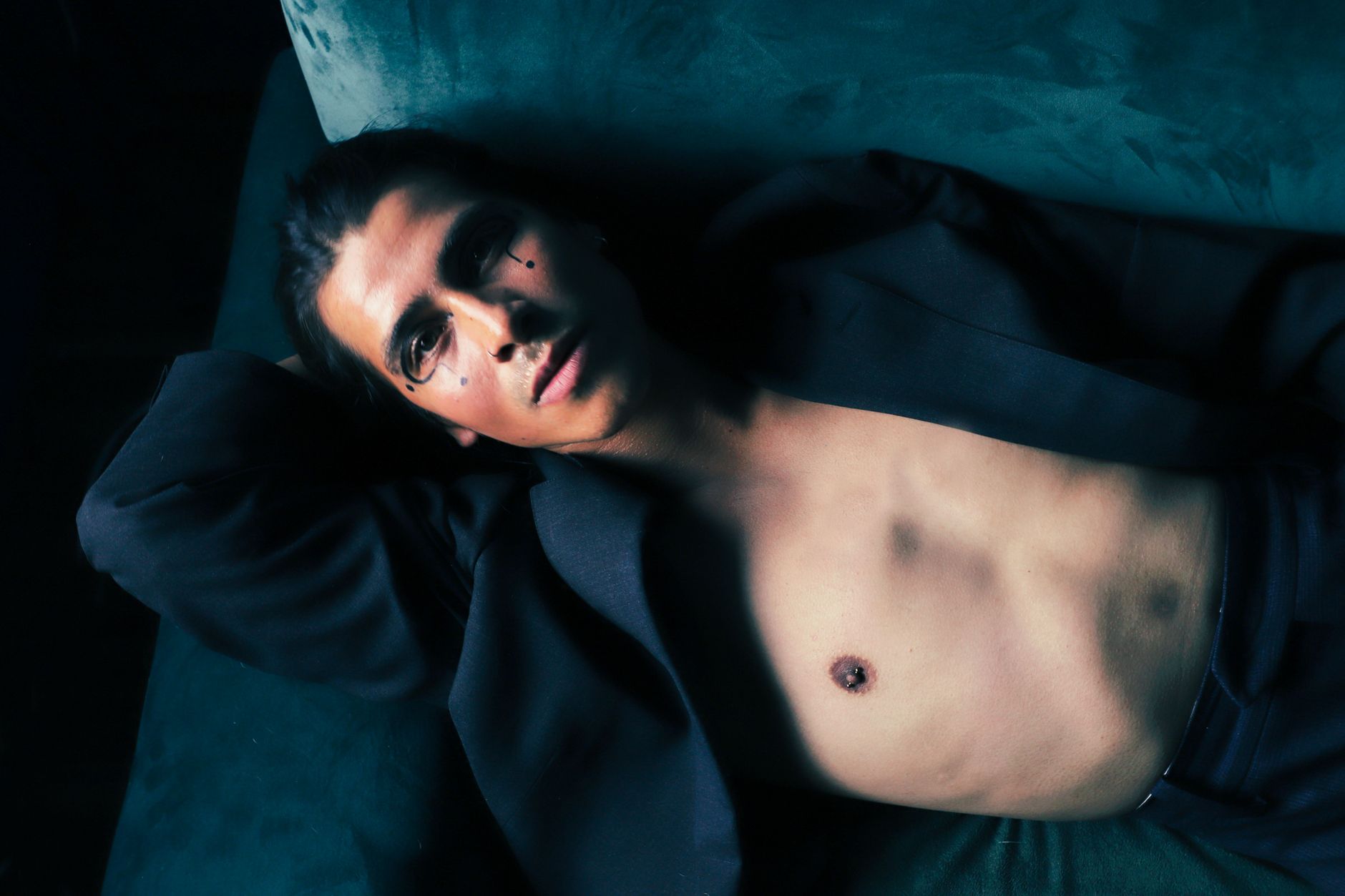
Rick Owens has always occupied a space that demands attention without demanding recognition. His draped silhouettes – long torsos, asymmetric hems, fabric that pools rather than cinches – carry a visual logic that doesn’t rely on a logo to make its point. That’s the quality drawing a new audience in, particularly among people who built their wardrobes on streetwear staples and are now finding that aesthetic exhausting.
The numbers at resale platforms tell part of the story without needing embellishment: Owens pieces that once sat at accessible resale prices have climbed steadily, driven not by hype cycles but by sustained demand. The platforms that track these things note consistent growth in search volume for his label over the past two years, particularly in the 22-to-35 demographic that also happens to be streetwear’s core audience. That overlap is not coincidental.
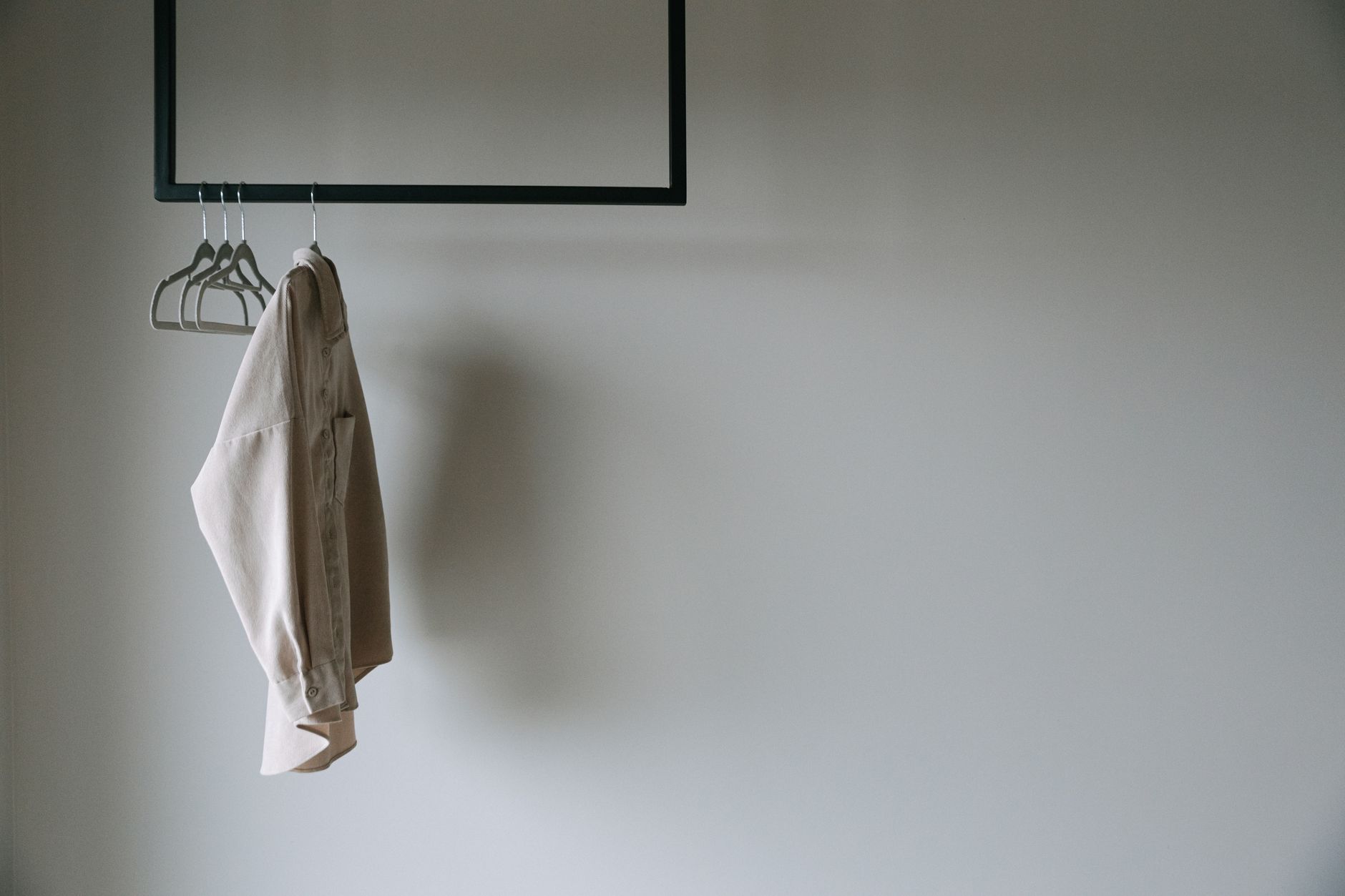
What makes this particularly interesting is the category of Owens pieces gaining traction. It’s not the leather jackets or the platform boots, which have always had a devoted following. It’s the draped cotton pieces – the asymmetric tees, the wrapped trousers, the long-line coats that hang like architecture. These are the items that most directly compete with the wardrobe real estate previously held by a premium hoodie or a graphic tee.
Why Draped Silhouettes Work When Streetwear Is Wearing Thin
The appeal of Owens’ draped pieces is partly tactile and partly philosophical. Streetwear at its height made getting dressed feel like participation – in a brand, a drop, a moment. But that participatory quality became its own trap. When every release demands attention, every purchase becomes a statement about what you’re following, and the act of dressing starts to feel like cultural homework. Owens’ draped silhouettes offer the opposite experience. There is no moment to participate in, no drop to chase. The garment either works on your body or it doesn’t, and that judgment is almost entirely personal.
Draping as a construction technique is also genuinely difficult to replicate at a lower price point, which matters in a market where fast fashion has effectively commodified most streetwear shapes. A well-draped garment requires both quality fabric and considered cutting – the kind of thing that doesn’t survive the race to a $30 price tag. This creates a natural tier distinction that branded streetwear has largely lost. The logo on a hoodie can be copied; the behavior of a draped sleeve cannot.
There’s also a durability argument, both physical and aesthetic. Owens designs in a palette and a language that doesn’t age by season. A piece bought in 2019 doesn’t announce itself as a relic the way a logo tee from that year might. For consumers who spent years watching their wardrobes date themselves every eighteen months, that kind of neutrality is genuinely attractive. It’s not timelessness in the vague marketing sense – it’s the concrete reality that black draped cotton doesn’t have a trend expiration date.
The styling versatility matters too. Owens’ draped pieces sit surprisingly well alongside the remnants of a streetwear wardrobe – they don’t demand a full aesthetic overhaul. A draped Owens tee over vintage cargo pants reads as intentional rather than conflicted. This compatibility has made the transition easier for consumers who aren’t ready to abandon their existing wardrobes but want to push them somewhere more considered. The aesthetic is pulling in the same direction as Jil Sander’s minimalist revival, but with more structural drama.
Social media’s role here is worth examining carefully. Owens pieces photograph well for reasons that are almost the inverse of why streetwear photographs well. Where a logo-heavy outfit reads clearly and immediately on a small screen, a draped Owens look rewards a longer look – shadows, movement, proportion. As fashion content has matured and audiences have grown more visually sophisticated, that slower read has become a feature rather than a liability. The most-shared fashion content right now tends to reward attention, and Owens’ work genuinely does.
What This Means for the Broader Fashion Appetite
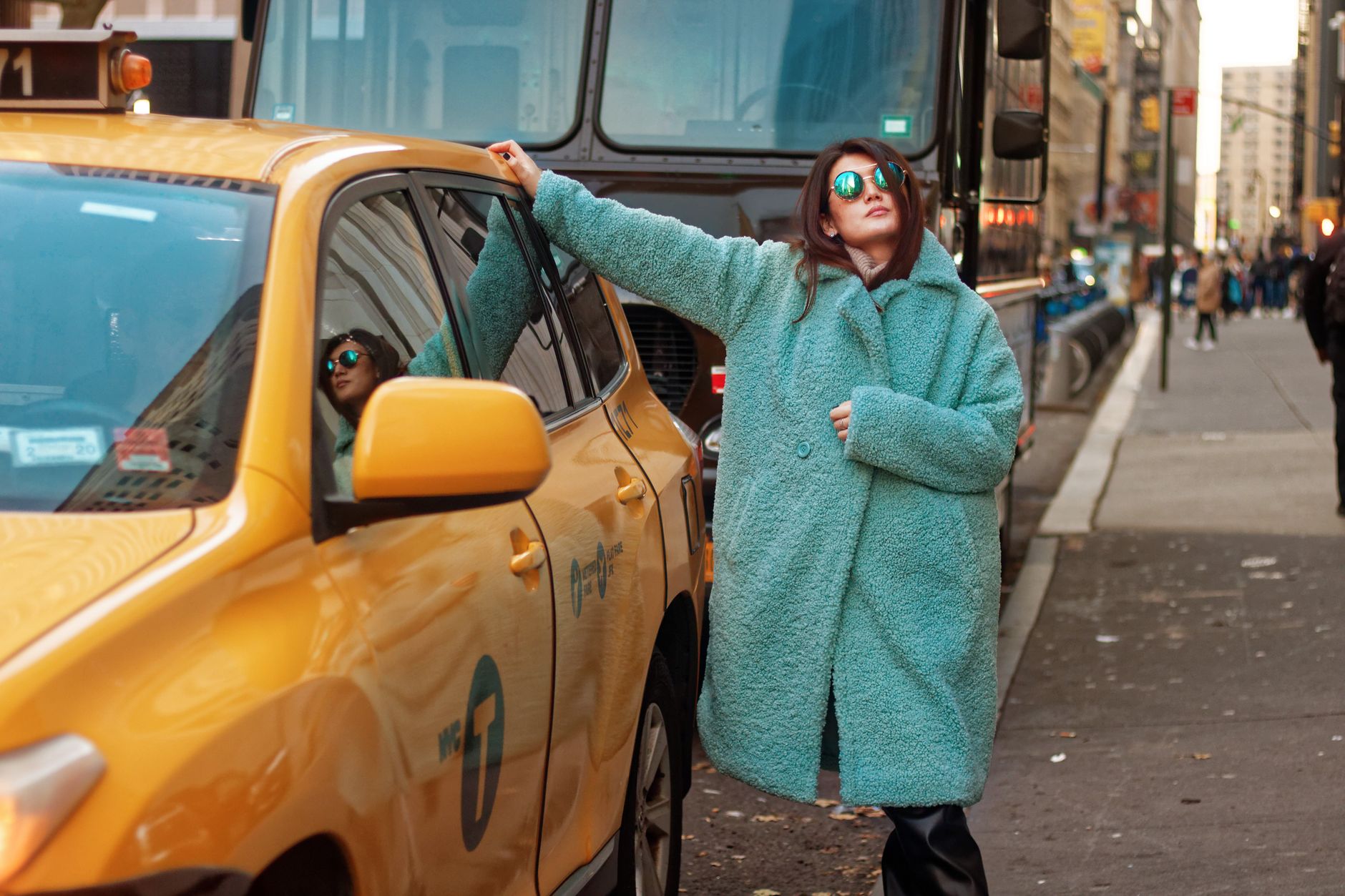
The appetite for Owens’ work doesn’t exist in isolation – it’s part of a wider fatigue with the mechanics of hype. Streetwear trained consumers to treat fashion as a game of access: who got the drop, who had the connection, who knew first. The satisfaction was in winning the game, not necessarily in what you wore afterward. Draped silhouettes don’t play that game. They require a different kind of investment – financial, yes, but also aesthetic and intellectual. That’s either a barrier or a draw, depending entirely on where a consumer is in their relationship with getting dressed.
The designers who stand to lose ground are the ones whose entire value proposition rests on the drop model and brand recognition. A Rick Owens draped coat makes a case for itself on material and construction terms; it doesn’t need the machinery of cultural relevance to justify its price. That independence from trend mechanics is increasingly what a certain consumer is willing to pay a premium for – and that consumer, notably, used to be the one buying limited-edition sneakers.