

The Sneaker’s Grip Is Loosening
Walk through any major city right now – New York, Milan, London, Tokyo – and something has shifted on the pavement. The chunky sole and nylon upper that defined a decade of street style are giving ground to something flatter, sleeker, and considerably more polished. The loafer is back, and not in the way it periodically resurfaces on runways only to disappear by the following season. This time it has settled in, and Prada’s version is leading the charge.
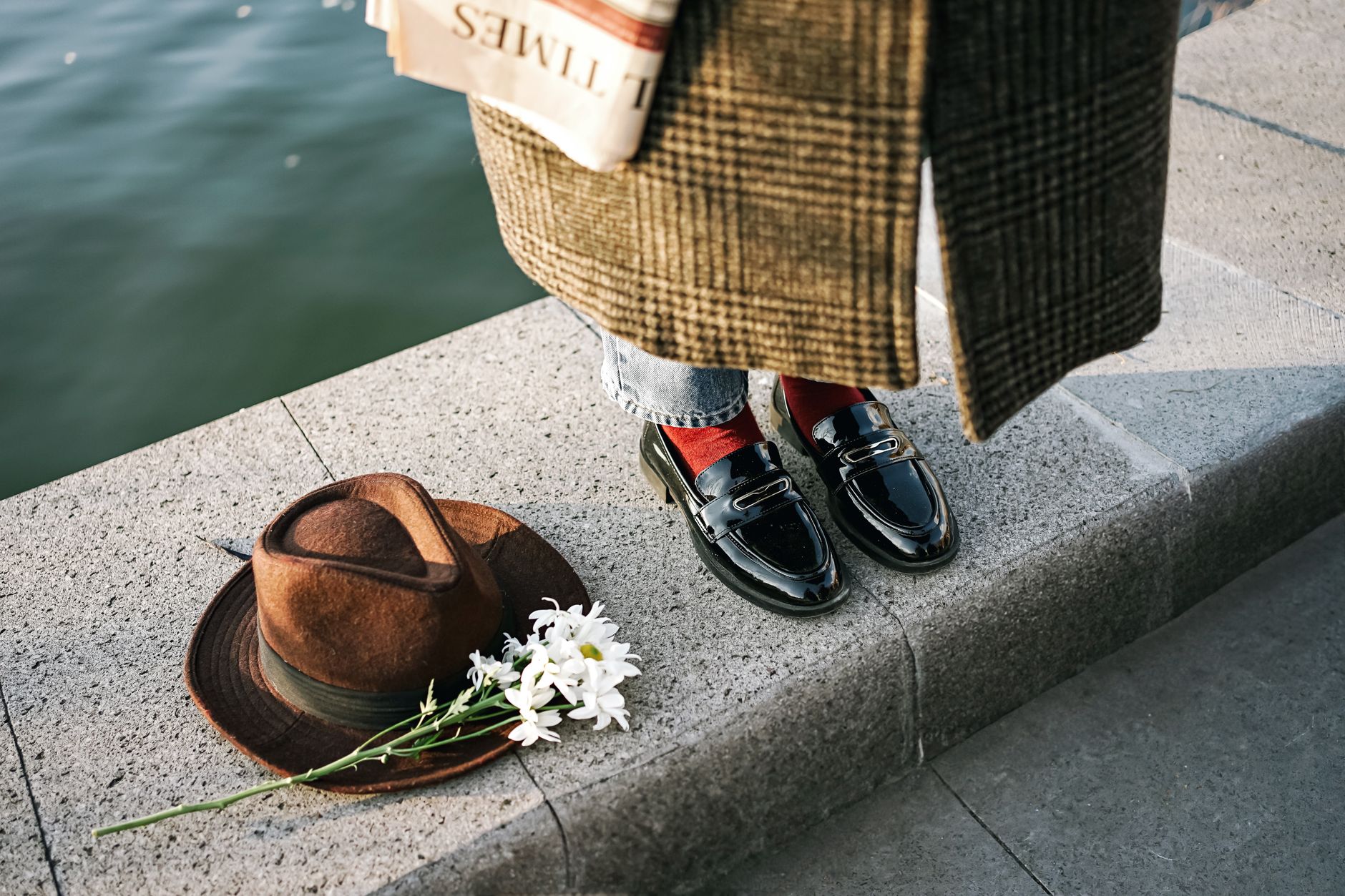
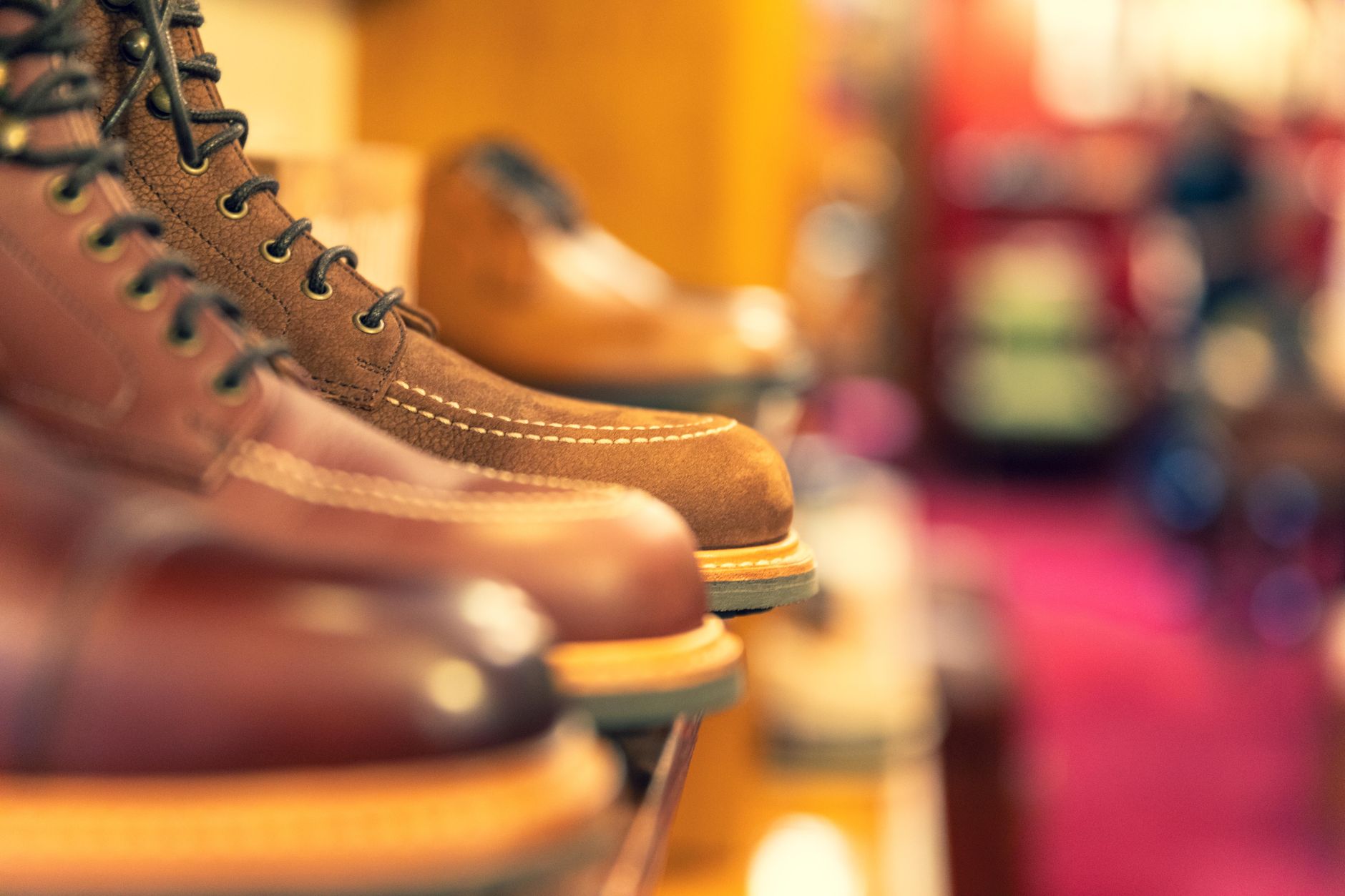
Prada’s brushed leather loafer, with its signature triangular enamel logo plate and clean silhouette, has become the shoe that stylists, off-duty models, and fashion editors reach for when they want to look put-together without trying too hard. That sweet spot – elevated but not precious, structured but still walkable – is exactly where sneakers used to live. The fact that a hard-soled dress shoe now occupies that territory says something worth paying attention to.
Why the Loafer Is Winning Right Now
Sneaker culture peaked loudly. Collaborations dropped every week, resale markets inflated prices beyond reason, and wearing the right pair became more about signaling access than personal taste. The fatigue that follows that kind of saturation is real. When a category becomes about scarcity and hype more than the object itself, a quieter alternative starts to look appealing. The Prada loafer is that alternative – it doesn’t require you to know a drop date or refresh a waiting list.
There is also a practical case for the shift. Loafers work across more situations than sneakers do in 2025. The dress codes that quietly tightened at offices, restaurants, and events over the past two years left sneakers in an awkward position – casual enough to feel out of place at dinner, but no longer carrying the cultural currency that once made them acceptable anywhere. A leather loafer moves between a morning meeting, a lunch, and an evening out without the wearer needing to think about it. Versatility used to be sneakers’ greatest asset. The loafer has quietly claimed it.
Prada’s specific version amplifies this through restraint. The logo plate is small and metallic rather than splashed across the toe box. The leather is matte rather than patent. Nothing shouts. This is the same design philosophy driving the broader movement toward what the industry has started calling “stealth luxury” – the idea that the most expensive things should be recognizable only to people who already know. The Row has built an entire brand identity around this principle, and Prada’s loafer fits neatly into that same cultural current.
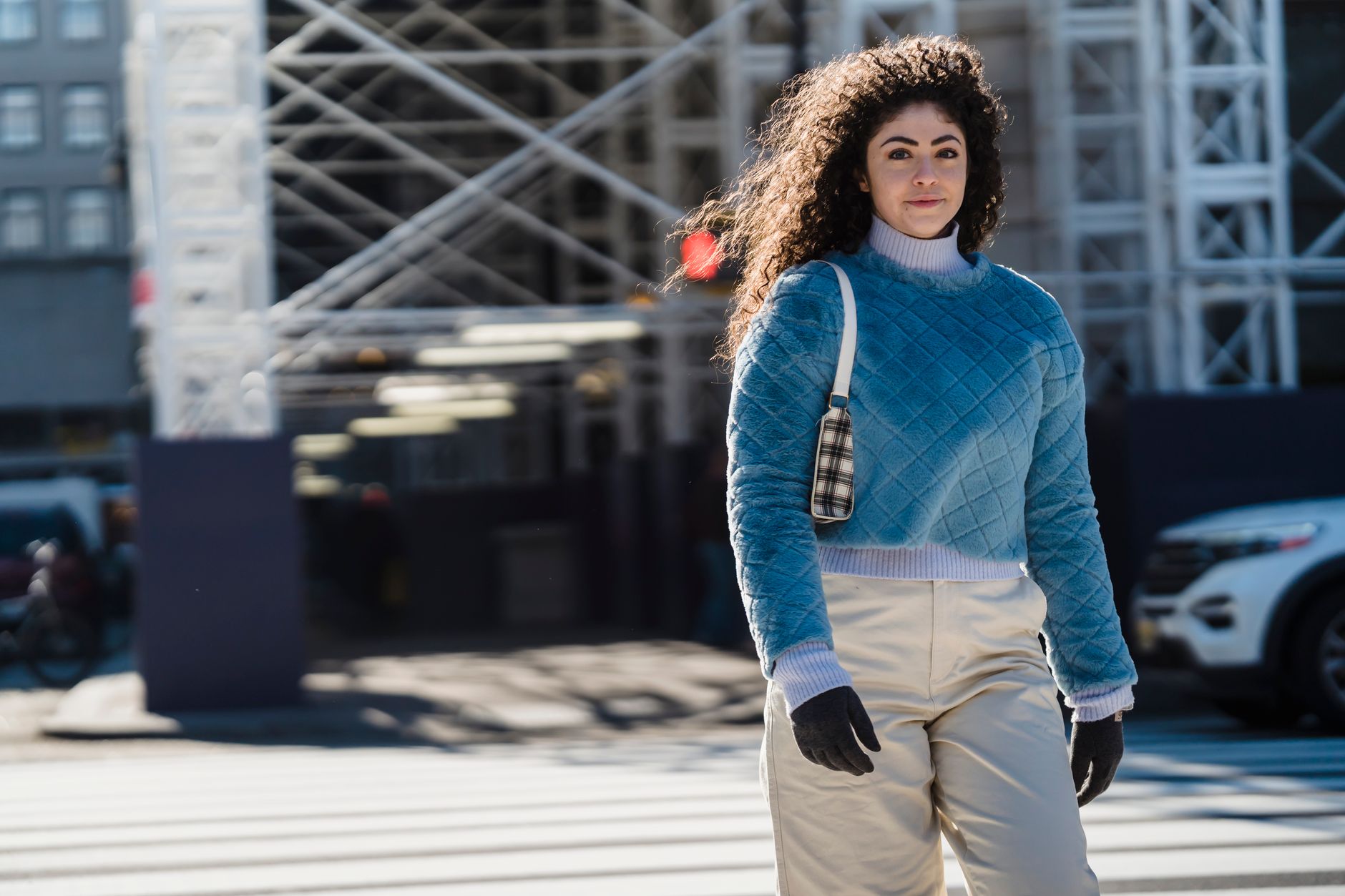
The silhouette itself also plays well with where fashion’s center of gravity has moved. Straight-leg trousers, wide tailoring, and longer hemlines – the shapes that have been steadily replacing the skinny and the cropped – land better on a loafer than on a bulky trainer. A chunky sneaker shortens the leg and disrupts the line. A flat loafer extends it. When enough people start wearing a particular trouser cut, the shoe that flatters it best gets pulled along for the ride.
How Prada Positioned the Style
Prada did not invent the loafer trend, but the house timed its push well. The triangular logo plate has appeared consistently across runway looks, campaign imagery, and the wardrobes of the actors and musicians Prada dresses for press tours and events. That kind of repetition across multiple channels builds recognition without requiring a single viral moment. By the time streetwear photographers started capturing the shoe on city pavements, it already had several seasons of runway credibility behind it.
The price point also positions the shoe strategically. At roughly $900 to $1,100 depending on the market, it sits above accessible luxury brands but below the top tier of the French houses. For someone stepping away from a $350 sneaker habit and looking to consolidate their shoe spending into fewer, more considered pieces, the math is not as prohibitive as it might initially appear. It is an aspirational purchase within reach for the demographic that drives fashion trends most reliably – people in their late twenties and early thirties with discretionary income and strong opinions about what they wear.
The Sneaker Is Not Going Anywhere
None of this means sneakers are disappearing. Athletic footwear is a category worth hundreds of billions of dollars globally, and comfort-driven dressing is not going to evaporate because fashion editors are photographed in loafers. What is changing is the hierarchy. For the past ten years, sneakers sat at the top of that hierarchy – they were the thing every other shoe category was measured against. That position is now contested.
The brands that built their identity on sneaker culture are already responding. Several major sportswear labels have quietly introduced dressed-up silhouettes with reduced sole height and cleaner materials. Others are leaning into retro running styles that feel less streetwear and more wardrobe-basic. The direction of these pivots is revealing – they are moving toward the loafer’s territory rather than away from it.
What is harder for those brands to replicate is the specific cultural signal the Prada loafer sends. A sneaker, regardless of how elevated the branding, still reads as casual. That is its nature. The loafer carries a different set of associations – European tailoring, old-money ease, the kind of dressed-down elegance that requires actual clothes underneath to work. It demands more from the rest of the outfit, and right now, a growing number of people dressing in cities seem to want exactly that demand placed on them.
The real question is how long Prada can hold this position before the loafer itself becomes as oversaturated as the sneaker it is replacing. Fast fashion has already started producing $40 versions with triangular logo plates in obvious imitation. When the signifier gets diluted enough, the people who adopted it early move on – and the whole cycle begins again with whatever shoe is sitting quietly in the wings.