


The Sneaker Era Is Quietly Stepping Aside
For the better part of a decade, the designer sneaker held an almost unquestioned position at the top of the luxury footwear hierarchy. Limited-edition drops, celebrity co-signs, and five-figure resale prices made sneakers the default status signal for a generation of high-end consumers. But something is shifting. The customer who once lined up for a collaboration drop is now reaching for something slower, quieter, and significantly softer underfoot.
Loro Piana’s cashmere loafers – the kind that feel like wearing a cloud and cost about as much as a month’s rent in a mid-size city – are moving from the periphery of fashion conversation to its center. Spotted on editors, financiers, and the particular breed of person who treats airports like personal runways, these shoes have become the footwear shorthand for a specific kind of wealth: the kind that doesn’t need to announce itself.
What Makes a Cashmere Loafer Worth the Price
Loro Piana has built its entire identity around raw material supremacy. The Italian house sources cashmere from the Hircus goat in the highlands of Inner Mongolia and Outer Mongolia, and its baby cashmere from the first combing of Hircus kids – fiber so fine it registers more as sensation than textile. When that material gets applied to footwear, the result isn’t just a soft shoe. It’s an argument that the most expensive thing a person can wear doesn’t have to look expensive at all.
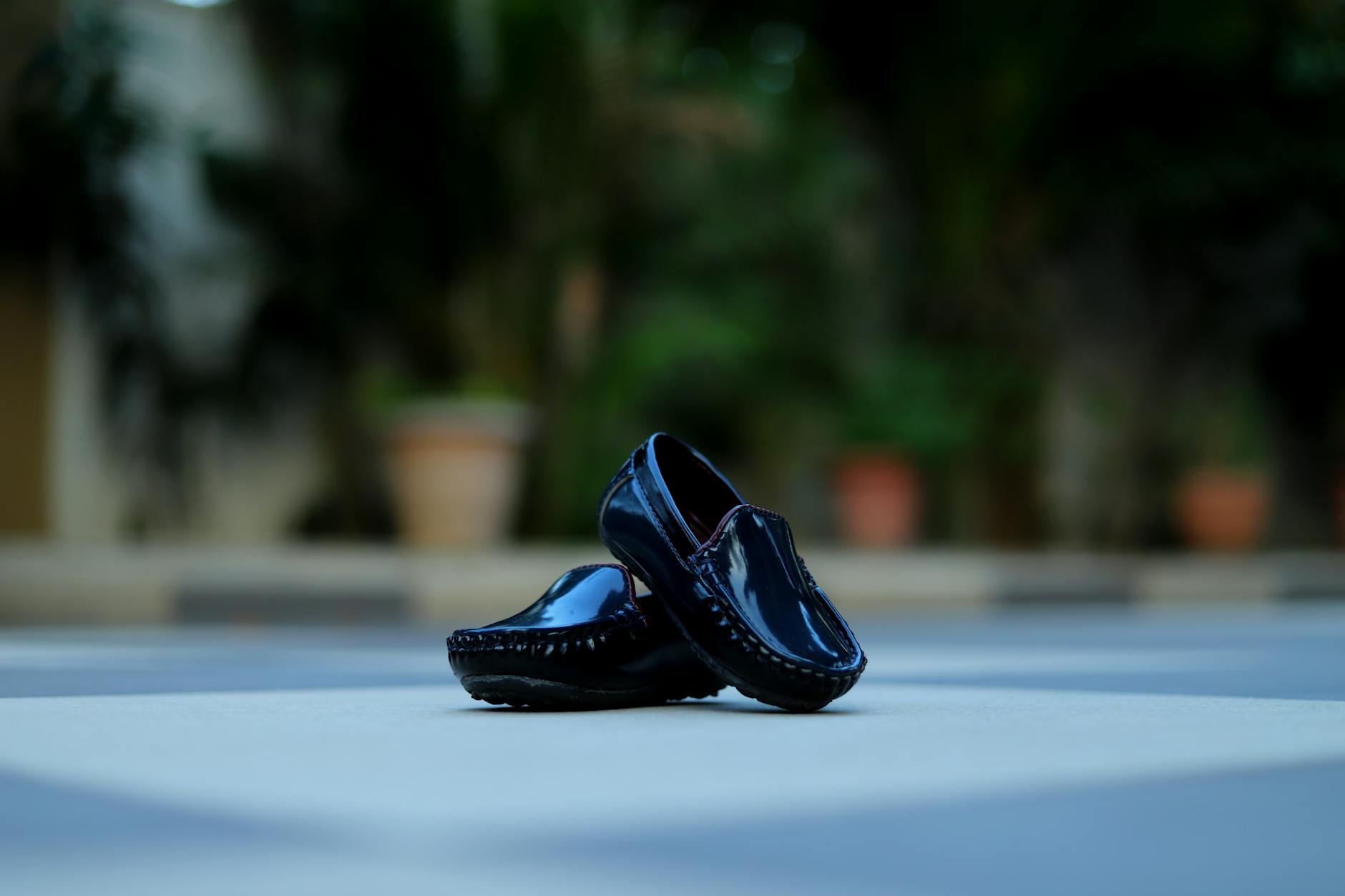
The loafers themselves follow a deliberately understated silhouette. There are no hardware logos, no chunky soles engineered for visual impact, no color-blocking designed to read from across a room. The construction is close to that of a house slipper – which is precisely the point. Wearing them in public signals a relaxation of effort that, paradoxically, requires an enormous amount of money and very specific taste to pull off convincingly.

Why Sneaker Culture Lost Its Edge With This Crowd
The problem with designer sneakers was always that they worked too hard. A pair of highly branded athletic shoes communicates status through visual noise – logos repeated across the upper, colorways designed to be photographed, collaborator names stitched into the heel. That approach made sense when streetwear culture was absorbing luxury, and when being seen in the right sneaker meant something in the social hierarchy of fashion-aware consumers.
That social hierarchy has been quietly recalibrating. The same customers who drove designer sneaker resale markets to their current heights are aging into different spending patterns, or simply tiring of the performance involved in sneaker culture – the monitoring of drops, the maintenance of grails, the constant pressure to stay current. Cashmere loafers require none of that. You buy them, you wear them, and the people who need to know will know.
There’s also a comfort argument that deserves more credit than it typically gets in fashion coverage. Post-lockdown dressing permanently recalibrated what people are willing to tolerate on their feet. A generation that spent years in slides and house shoes developed a genuine intolerance for rigid, performance-adjacent footwear worn purely for aesthetics. The cashmere loafer resolves that tension – it’s as comfortable as a slipper and as socially acceptable as anything that costs over a thousand dollars can be.
The styling versatility is real, too. These shoes work against wide-leg trousers, against tailored shorts, against the kind of unstructured blazers that currently dominate the upper-tier wardrobe. They don’t compete with an outfit; they complete it without demanding attention. That quality – being a finishing detail rather than a focal point – is exactly what a certain customer wants from footwear right now.
The Quiet Luxury Connection
Loro Piana’s rise in footwear can’t be separated from the broader quiet luxury conversation, even as that aesthetic faces pressure from maximalist dressing. The house was effectively the template before the phrase existed – no runway shows until recently, no celebrity campaigns, no collaborations with streetwear brands. Just extraordinarily expensive materials made into clean, timeless shapes for customers who already know.
That positioning becomes more powerful, not less, as loud branding cycles through its boom-and-bust phases. When every other luxury house is chasing visibility through spectacle, the brand that refuses to perform stands out through its very stillness. The cashmere loafer is a wearable version of that philosophy: its restraint is the statement.
Where This Trend Is Going
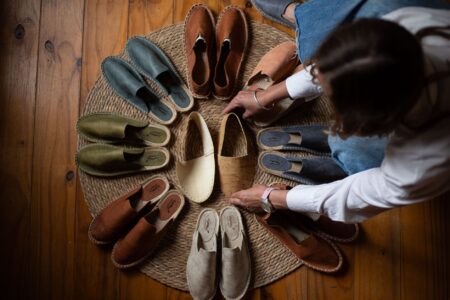
Other luxury houses have noticed. Soft-soled, minimal footwear in premium materials has been appearing across the market at various price points, from heritage Italian shoemakers doing their own versions in suede and nappa leather to emerging labels experimenting with felted wool and mohair constructions. The category is expanding because the demand signal is clear – customers want the comfort logic of a slipper applied to footwear they can actually wear outside.
Loro Piana’s advantage is that it owns the raw material story in a way no competitor can easily replicate. Another brand can make a cashmere loafer; it cannot make this cashmere loafer, with provenance traceable to specific plateaus at specific altitudes. That specificity is increasingly what premium customers are paying for – not the logo, not the collab, but the supply chain flex.
The sneaker isn’t disappearing. There will always be a market for limited-edition athletic shoes with cultural cachet, and the resale infrastructure supporting that market is too well-developed to collapse. But the customer who treated designer sneakers as their primary luxury footwear investment is diversifying – and the cashmere loafer is where at least some of that spending is landing. Whether that shift holds or cycles back to something louder is the only question worth watching.
Frequently Asked Questions
How much do Loro Piana cashmere loafers cost?
Loro Piana’s cashmere and fabric loafers typically range from around $900 to over $1,500 depending on the style and material composition.
Why are cashmere loafers replacing designer sneakers?
A growing number of luxury consumers are gravitating toward understated, comfort-forward footwear over logo-heavy sneakers, favoring material quality over visual branding.