


What does it take for a niche romance novel to become the show everyone is talking about? A familiar answer involves a huge budget, a famous franchise name or a marketing blitz. Heated Rivalry had none of those. It had a six-episode order, two relatively fresh leads and a story about two professional hockey players who cannot stop wanting each other, and that was enough to push it into the center of the streaming conversation.
The series adapts Rachel Reid’s novel Heated Rivalry, the second book in her Game Changers series, with Jacob Tierney shaping the screen version. Hudson Williams and Connor Storrie play Shane Hollander and Ilya Rozanov, rival stars whose on-ice animosity hides a secret relationship stretching across years. Crave carried it in Canada and HBO Max brought it to a wider international audience. Those details matter less than what happened next: viewers who had never opened a sports romance started treating the show like appointment television.
A Built-In Audience Meets a Patient Adaptation
Romance readers are among the most loyal audiences in publishing, and they have spent years watching their favorite books get ignored by screen development or adapted into something unrecognizable. Reid’s novels arrived with a community already invested in the characters. Readers knew the beats of the Shane and Ilya story, and they knew what a bad adaptation would look like: sanded-down tension, a wink at the camera, a sports backdrop treated as set dressing. That kind of audience arrives skeptical, and it does not forgive shortcuts.
The source material also happens to be built for television. Two rivals who compete in public and meet in private is a premise that generates scenes on its own, because every game is also a conversation neither man can have out loud. The closet is not a side plot here. It is the engine. Every handshake after a game, every awkward press conference answer and every flight home carries a second meaning, and a camera can hold on a face during those moments in a way a page cannot.
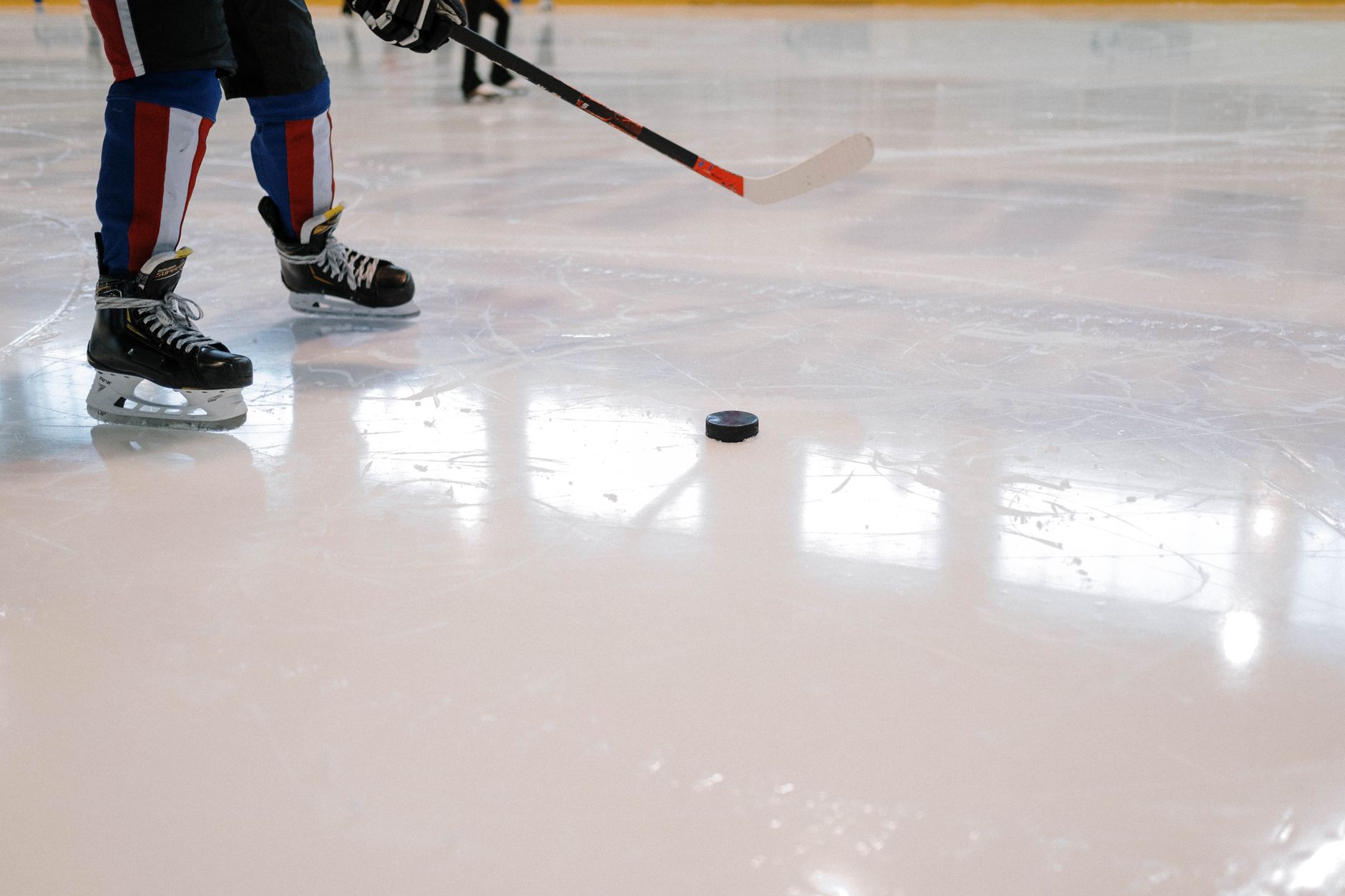
Tierney’s approach treats the physical relationship as character development rather than garnish. The intimate scenes show who these men are when they stop performing, and that is a different goal from titillation. The hockey sequences, meanwhile, are staged so that the rivalry feels earned instead of decorative. Viewers do not need to know what an icing call is to understand that these two men define themselves against each other, and the show trusts that instinct.
Short Seasons, Long Time Jumps
Six episodes is a tight container for a story that spans years, which is exactly why the structure works. The series moves forward in leaps, skipping the dead stretches and landing on the moments when the relationship shifts. There is no filler arc to survive before the good scenes arrive. It is the same economy behind the trend we explored in why prestige dramas are getting shorter seasons and longer waits, except here the brevity feels like a creative choice rather than a scheduling compromise.
It also makes the show easy to recommend. A friend can say “it’s six episodes” and the commitment barrier disappears.
What the Obsession Actually Runs On
The easy explanation is that audiences were hungry for a queer love story with real heat, and that is true as far as it goes. But plenty of queer romances have appeared on streaming without producing this kind of sustained noise. The difference is that Heated Rivalry does not apologize for being a romance. It does not dress itself up as a sports drama with a love story attached, or as a prestige character study that happens to include kissing. It commits to the genre’s central promise, which is that the relationship is the plot, and it delivers on that promise with a confidence that viewers can feel within the first episode.
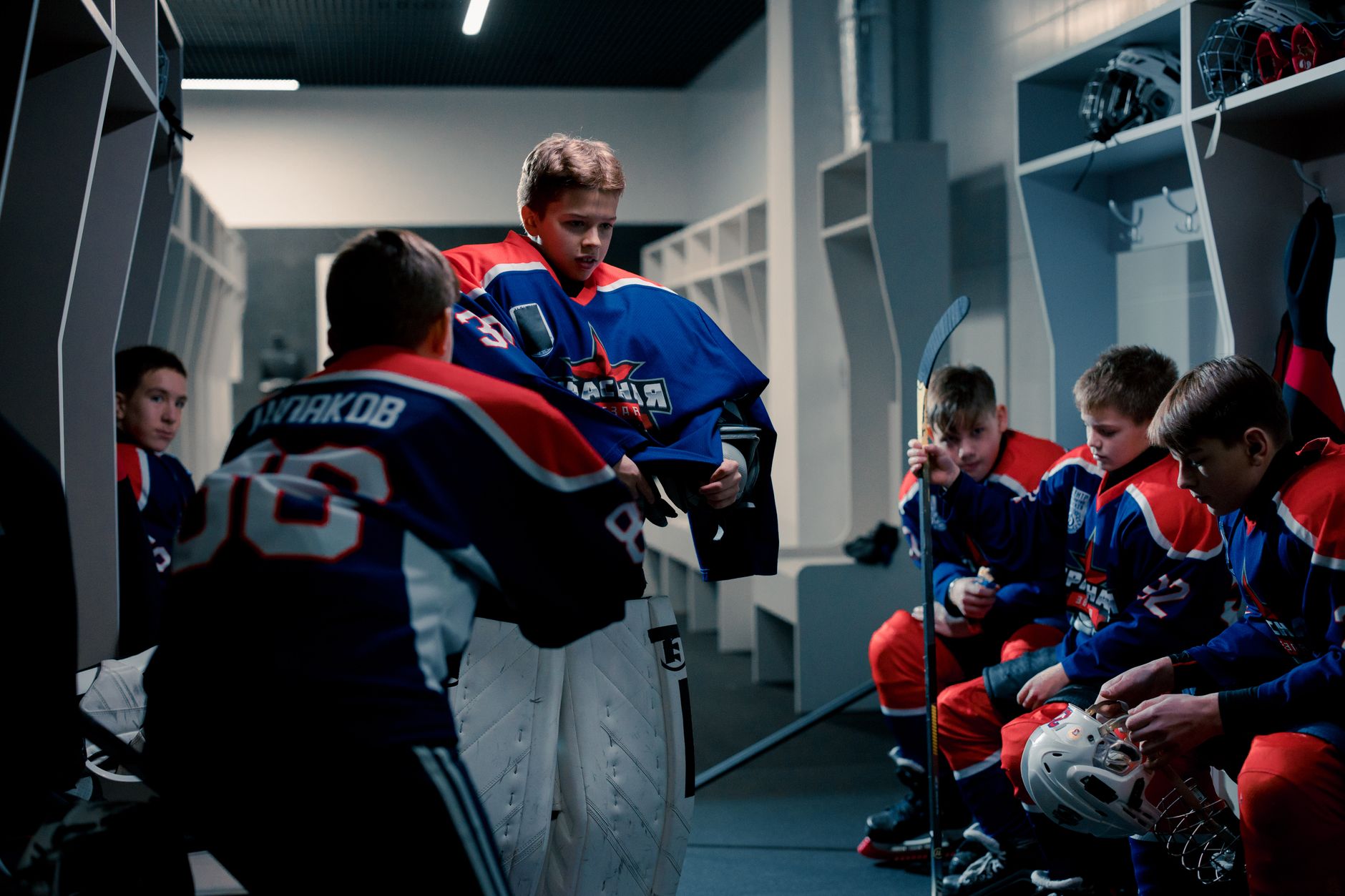
Sports fandom adds a second layer. Hockey culture has its own vocabulary of rivalry, superstition and loyalty, and the show borrows that intensity without condescending to it. People who follow the sport recognize the texture of the locker rooms and the way public personas get managed. People who do not follow it still understand the stakes, because the show frames them as personal rather than statistical. Two audiences that rarely overlap are suddenly arguing about the same scenes, and that kind of cross-pollination is how a show stops being a genre hit and starts being a general one.
Then there is the way the series travels online. Short, intense scenes are easy to clip, and fan edits give new viewers a reason to press play. The leads became recognizable faces almost overnight, and the conversation around them stayed affectionate and curious rather than snarky, which is rarer than it should be. Word of mouth did the work that a promotional budget usually does. Each person who finished the season had a specific scene they wanted to talk about, and that is a much stronger recommendation than a poster.
The risk now is the one every breakout faces: attention can flatten what made a story specific. A show built on restraint, slow-burning secrecy and the cost of hiding can easily be turned into a collection of reaction clips, and a second season will be judged against a first that few people expected to matter this much. If a six-episode adaptation of a romance novel can command this much of the cultural conversation, how many other books sitting quietly on the genre shelf are already being read as pitches?