
The Quiet Luxury Label That Celebrity Stylists Keep Returning To
Loro Piana does not advertise. There are no billboards, no splashy runway spectacles, no celebrity contracts announced with a press release. The Italian house, founded in the Piedmont region in 1924 and acquired by LVMH in 2013, operates on a different logic entirely – one built around fabric sourcing, craft heritage, and a studied indifference to the noise of the fashion cycle. Which makes the steady accumulation of A-list sightings all the more telling.
Over the past two years, the brand’s knitwear has appeared on everyone from off-duty actors photographed at airports to musicians stepping out between tour dates. Not front-row appearances arranged by a PR team, but genuinely personal choices – the kind of clothing someone reaches for when they are not performing for a camera.
That distinction matters.
What Makes the Knitwear Different
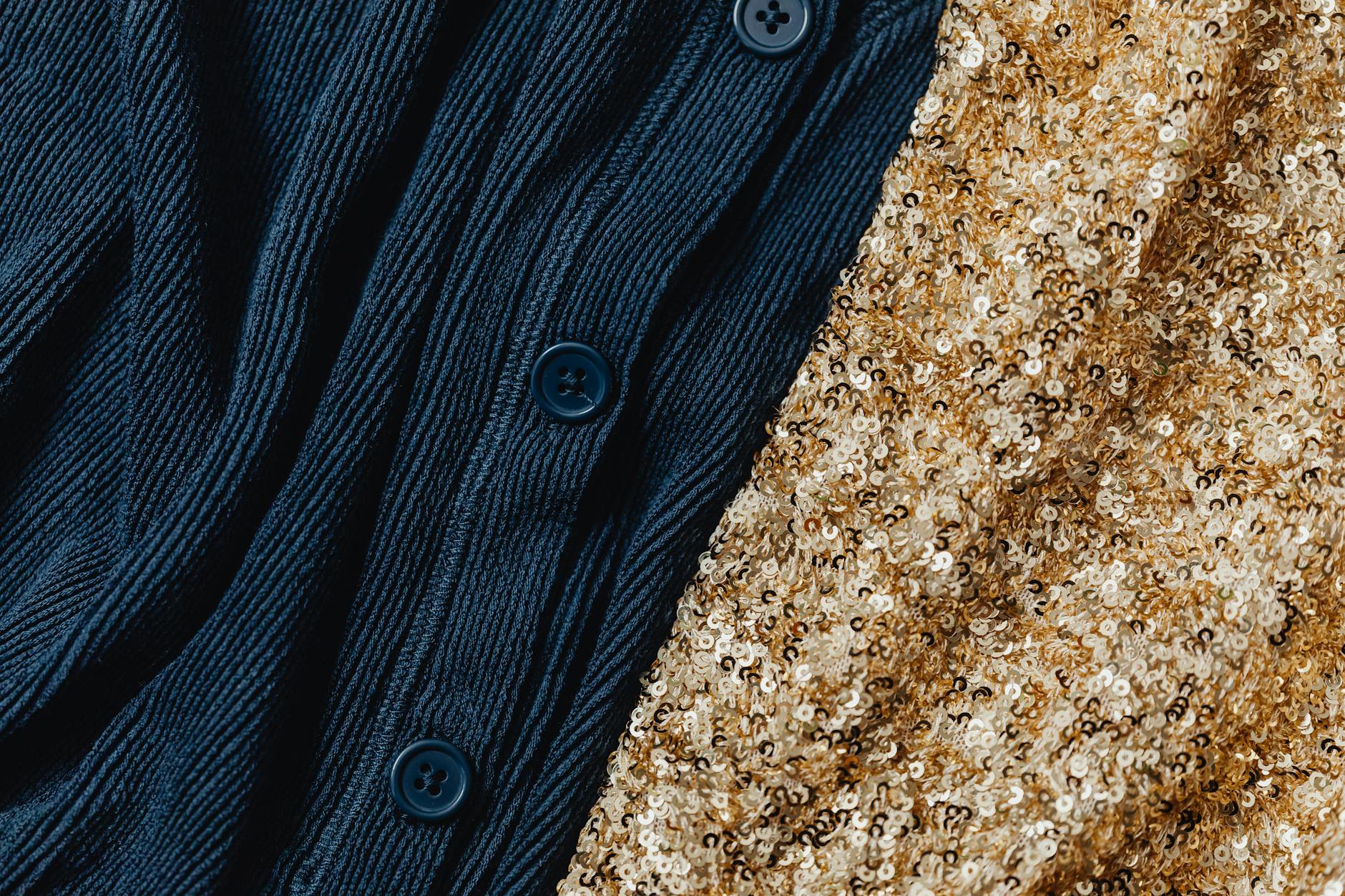
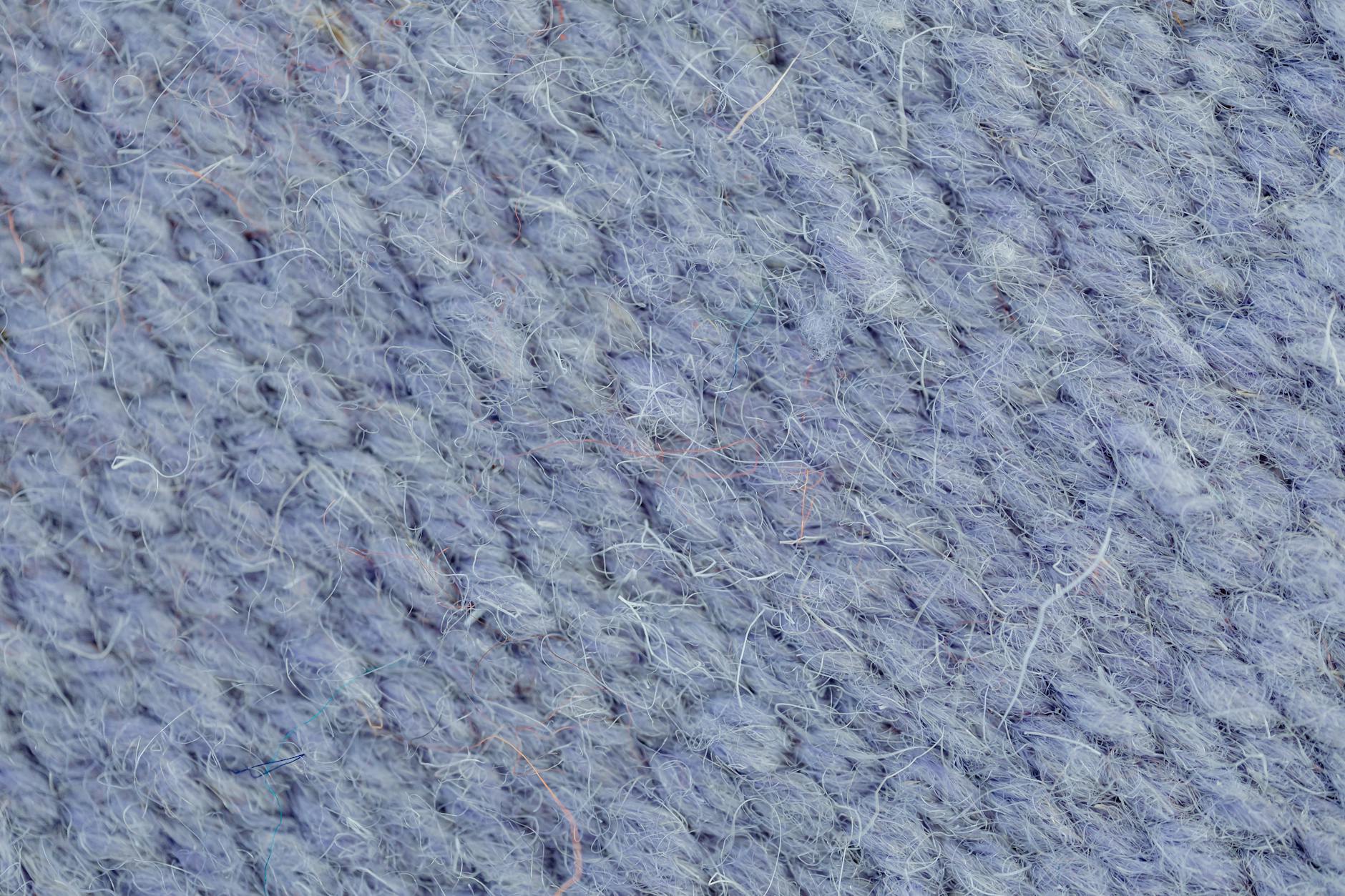
Loro Piana’s hold on this particular category comes down to material sourcing. The house controls much of its own supply chain, working directly with fiber producers in Mongolia, Peru, and Australia. Their cashmere and vicuna pieces come from animals reared at altitude under specific conditions the brand has spent decades cultivating relationships to access. The result is a yarn density and softness that most competitors simply cannot replicate at scale, regardless of price point.
The cuts themselves are deliberately low-key. There are no oversized logos, no graphic prints, no obvious signals of expense. A Loro Piana crewneck reads, at a glance, like a very good sweater. It is only when you handle the fabric that the price – often north of $1,500 for a cashmere piece – starts to make a certain kind of sense. This is precisely the aesthetic that has come to define what fashion circles now call “quiet luxury”: the idea that real wealth announces itself through texture and fit rather than branding.
Celebrities, particularly those who have been in the public eye long enough to tire of obvious status dressing, tend to migrate toward this register. When you have worn every logo on every red carpet, a sweater that simply feels extraordinary becomes its own statement.

The Airport and Off-Duty Effect
A significant portion of Loro Piana’s celebrity visibility happens in transit – airports, parking structures, coffee runs. These are contexts where stylists are often not involved and personal taste takes over. The brand’s lighter-weight knits, particularly pieces in their baby cashmere line, have become a recurring presence in these candid moments. The garments pack well, travel without wrinkling, and work across temperature ranges in ways that synthetic alternatives do not.
This off-duty momentum has had a measurable effect on how the brand is perceived by younger consumers watching those same candid images. Loro Piana, for most of its history, skewed toward an older, inherited-wealth clientele. That demographic profile is shifting. Younger buyers, many of them drawn in by the quiet luxury conversation that accelerated across social media, are now purchasing entry-level pieces – scarves, hats, lighter knit accessories – as a first step into the brand’s world. The average selling price for these entry pieces still sits well above comparable luxury competitors, but the waiting lists on certain styles suggest demand is genuinely outpacing production.
The house has not responded by expanding aggressively. Production remains constrained by the supply chain the brand insists on maintaining, and that scarcity is part of the appeal. A sweater you cannot easily replace has a different relationship to its owner than one that can be reordered with two clicks.
Why Stylists Are Specifying It
Among working celebrity stylists, Loro Piana knitwear occupies a specific functional role. It layers cleanly under tailoring without adding bulk, photographs without the visual static that chunky or heavily textured knits can create, and reads as polished without requiring the full formal machinery of a suit. For editorial shoots built around a “relaxed wealth” aesthetic – a direction that has dominated fashion imagery for the past several seasons – it is close to ideal.
There is also a practical durability argument. Luxury knitwear at this quality level does not pill, stretch out, or lose its shape across repeated styling sessions the way mid-market cashmere does. Stylists who are pulling pieces in and out of garment bags across multiple shoots a week notice this immediately. A piece that survives a press tour intact is a piece that earns its place in a kit.
The brand’s restraint in its own marketing also gives stylists creative latitude. Because Loro Piana does not saturate media with brand imagery, placing it in an editorial context does not feel like advertising. It reads as a genuine aesthetic choice, which is exactly what a stylist wants their work to communicate.
What makes the current moment interesting is that Loro Piana has not changed its approach to accommodate any of this attention. The same Piedmont workshops, the same fiber sourcing protocols, the same absence of conventional marketing machinery. The celebrities and stylists found the brand – not the other way around – and that dynamic is exactly what keeps the knitwear credible to the people who wear it.