

When Luxury Goes Ugly on Purpose
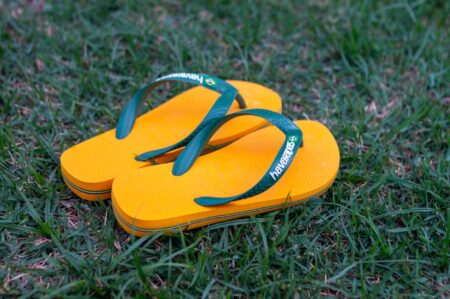
Bottega Veneta has never been afraid of a polarizing moment. The Italian house built its modern reputation on quiet luxury – the intrecciato weave, the absence of logos, the clothes and accessories that whispered rather than shouted. So when the brand released a rubber clog that looks, at first glance, like something you might wear to rinse off at a public pool, the reaction from the fashion world was not quiet at all.
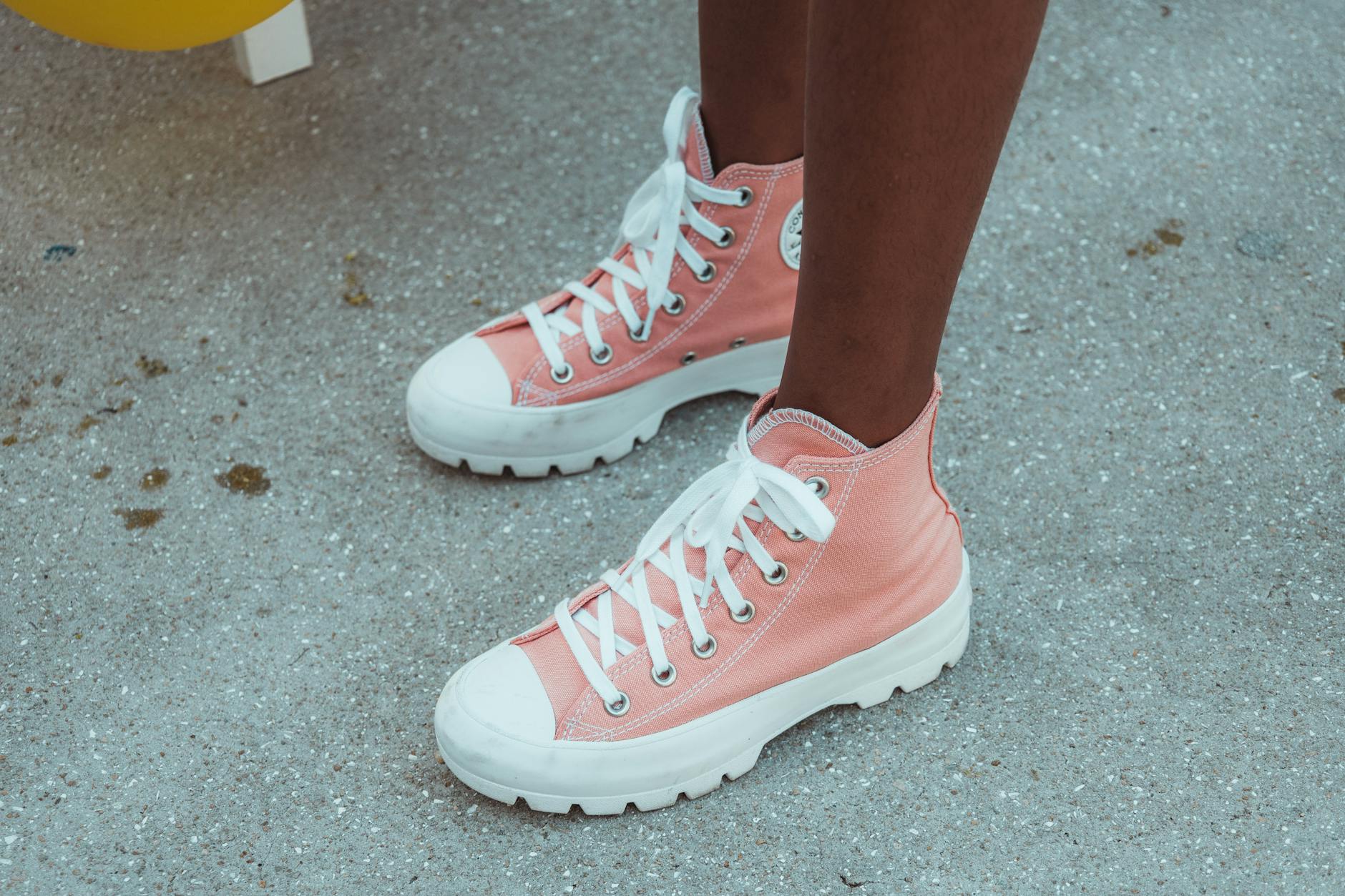
The shoes, thick-soled and molded from glossy rubber in Bottega’s signature shades – deep brown, olive, cloud white – arrived with the kind of price tag that makes the aesthetic dissonance feel intentional. At roughly $600 to $800 depending on the market, these are not pool shoes. They are a statement about what luxury means when a house decides to stop dressing up comfort.
The Case for the Clog
Bottega’s creative director Matthieu Blazy has consistently pushed the house toward clothes and objects that reward a second look. His runway collections have featured jeans that are actually leather, T-shirts that cost thousands because of how they are cut, and shoes that look unremarkable until you notice the construction. The rubber clogs follow that logic. They are visually simple but technically precise – the rubber has a particular weight and finish that separates them from a drugstore equivalent the moment you pick one up.
That precision is part of what has won over one half of the critical audience. Fashion editors who have worn them report the fit as unusually structured for the format. The arch support is real. The rubber does not flex where cheaper versions would. For a shoe category that has spent years being treated as the embarrassing cousin of serious footwear, that level of material attention carries genuine credibility. Blazy is essentially arguing that the clog deserves the same craft investment as a leather pump – and for buyers who agree with that premise, the price makes sense.
The Case Against
The opposing camp is not small, and their argument is harder to dismiss than simple snobbery. Critics of the shoe point out that Bottega’s entire brand equity rests on a kind of elevated restraint – the idea that spending more gets you something better, not just something louder. A rubber clog, regardless of its construction quality, carries a visual language that is hard to separate from mass-market foam footwear. That association does not disappear because the rubber is finer.
There is also the question of what happens to a brand when its provocations become routine. Bottega under Blazy has made a habit of the unexpected, which is a different thing from making a habit of the good. When surprise becomes strategy, the question shifts from “is this interesting?” to “is this sustainable?” A house that built its identity on permanence – on bags that age well, on shoes you keep for a decade – risks something real when it chases the conversation cycle of seasonal shock.
The styling question compounds the debate. Rubber clogs work in certain contexts: a relaxed linen suit, wide-leg trousers, the kind of summer dressing that is consciously undone. Outside those contexts, they resist integration. Unlike Hermes Oran sandals, which slot into nearly any warm-weather wardrobe with minimal effort, the Bottega clog demands a specific aesthetic commitment from the wearer. That narrowness limits who can actually pull them off – and limits who will actually buy them beyond the fashion-forward early adopters.
Some buyers will also resist the specific visual weight of the sole. It is thick in a way that reads as deliberate awkwardness, a silhouette that flatters narrow trousers but overwhelms anything fitted at the ankle. Fashion people who spend serious money on their clothes often do so because the clothes work – because they fit well, travel well, and hold up across seasons. A shoe that requires its wearer to build an entire outfit around its proportions is a harder sell than one that simply completes a look.

Where the Disagreement Lives
The split among critics is not really about the shoe. It is about two different theories of what luxury fashion is for. One theory holds that luxury should elevate the familiar – that a house like Bottega earns the right to make a rubber clog because it will make that clog better than anyone else, and that “better” is enough justification. The other theory holds that luxury is also about aspiration and distinction, and that a rubber clog – regardless of its quality – cannot carry that weight without a fundamental contradiction at its center.
Both positions are defensible. What makes the Bottega clog interesting as a cultural object is that it forces the argument into the open. Fashion has spent several years negotiating the terms of what counts as serious – whether a sneaker can be a luxury sneaker, whether a puffer jacket can be a couture puffer jacket, whether the rules of elevation still apply when comfort is the stated priority. The clog is the latest round in that negotiation, and it is not going to be the last.
What the Market Is Actually Saying
Away from the critical debate, the commercial signals are mixed in ways that reflect the split. The shoes have sold through in certain colorways – particularly the brown and the black – while others have sat longer on the shelf. That pattern suggests a buyer who is interested in the concept but selective about the execution, someone who wants the conversation piece but also wants it to work with what they own.
Resale prices, at least in the months following release, have not climbed significantly above retail – a contrast to Bottega pieces that have a stronger collector pull, like the Sardine bag or the Andiamo. That flat resale market is not a failure exactly, but it is a signal that the broader luxury buyer has not yet decided these belong in the category of things worth acquiring before they disappear. Whether that changes with time, or whether the clogs become a footnote in the Blazy era, will depend in part on how the house stages them going forward.
The real test may come with the next collection. If Blazy doubles down – if the rubber clog gets a winter iteration, a boot version, a collaboration that expands the conversation – then this reads as conviction. If the house quietly moves on to the next provocation, the clog will have been exactly what its skeptics suspected: a test of the audience’s willingness to believe, not a product built to last. Right now, the runway notes for the next season offer no clear answer either way.