

The Flat Sandal Making Strappy Heels Look Exhausted
There is a particular kind of quiet confidence that comes with a shoe that does not need a heel to announce itself. Bottega Veneta’s Intrecciato sandal – built from the house’s signature woven leather – has been gaining traction in exactly that register. No platform, no stiletto, no architectural drama. Just the interlace pattern the Venetian house has been refining since the 1960s, laid flat against the foot in a silhouette that manages to feel both minimal and unmistakably luxurious.
What makes this moment interesting is the timing. The strappy heel – that perennial warm-weather staple in every form from kitten to block – has dominated dressy-casual dressing for the better part of a decade. The Intrecciato sandal is not fighting that tradition loudly. It is simply making a different case, one that more and more wardrobes appear to be accepting.
Why the Intrecciato Weave Works as a Sandal
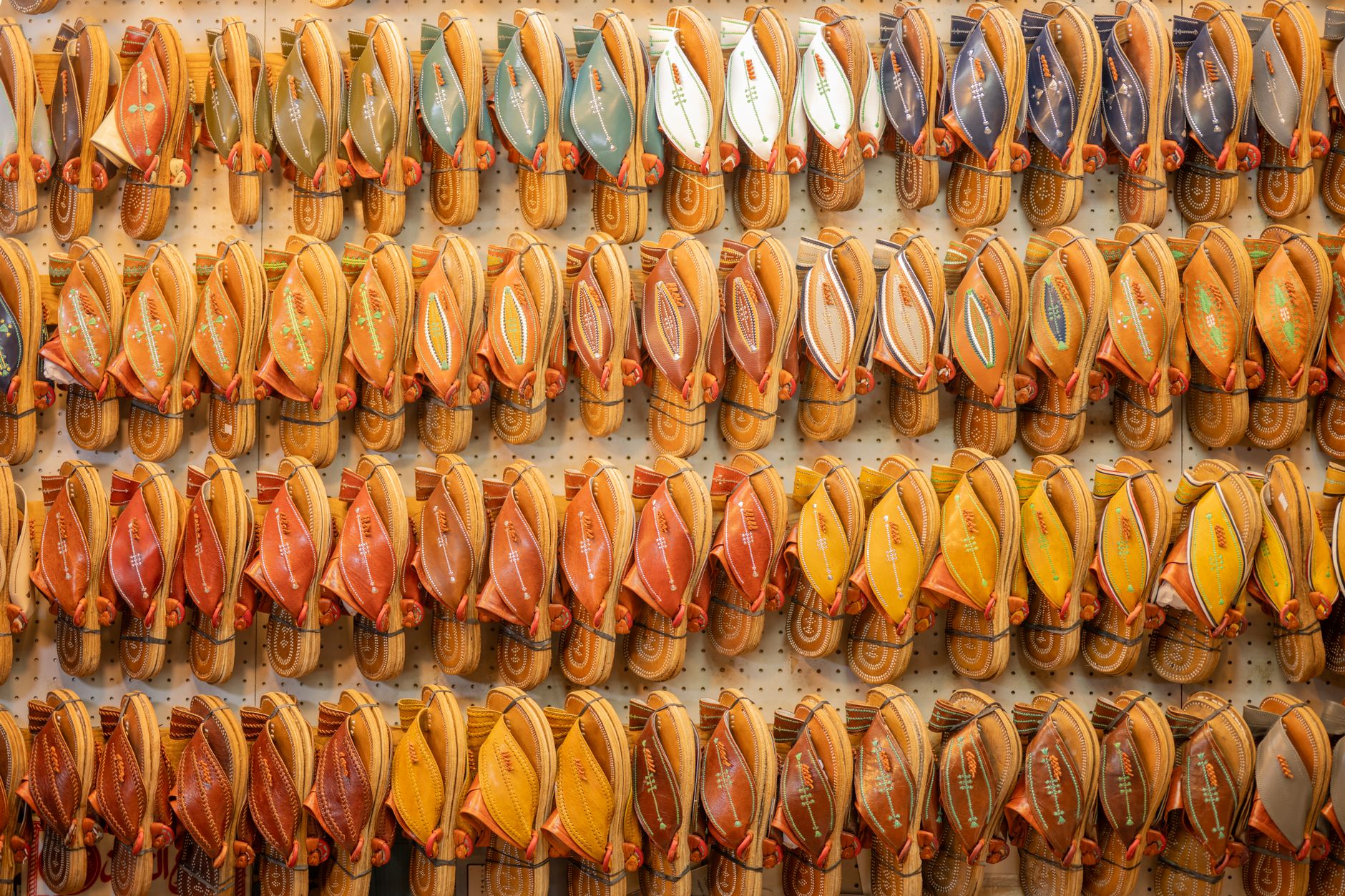
The weave itself does considerable work here. Intrecciato – leather strips woven through one another in a tight diagonal grid – was originally developed as a practical technique for reinforcing soft leathers. Over time it became Bottega Veneta’s most recognizable visual signature, appearing on bags, wallets, mules, and boots. Translating it into a flat sandal format strips away almost everything except the craft. There is no embellishment carrying the design. The construction is the design.
That distinction matters when you consider how a sandal competes visually with the rest of an outfit. A strappy heel typically wins attention through structure and proportion – the heel changes posture, lengthens the leg, adds a vertical line that reads as dressed-up. The Intrecciato sandal operates differently. It brings richness at foot level through texture alone, which means it pulls focus without competing with whatever is above it. A wide-leg trouser, a midi dress, a tailored short – all of them sit differently over a shoe that adds surface interest without height.
The leather quality also sharpens this comparison. Bottega Veneta works primarily with nappa, a soft and fine-grained leather that drapes and molds rather than sitting stiffly. When woven, it produces a surface that catches light at multiple angles simultaneously. Photographed or observed in motion, the texture reads as complex. That complexity is doing the visual job that a heel’s silhouette normally handles.
The Shift in What “Dressed Up” Means
The strappy heel has long been the default signal for occasion dressing – the shoe you reach for when an outfit needs to graduate from casual to deliberate. What is shifting now is the relationship between height and formality. A growing number of luxury brands are designing flat and low sandals with the kind of material investment and construction detail that previously belonged almost exclusively to heeled styles. Bottega Veneta is not alone in this, but the Intrecciato sandal sits at the more convincing end of the argument. (Loro Piana has been making a similar case with its open-toe sandal quietly edging out the loafer in the same low-key register.)
The practical dimension is real and probably underacknowledged. Occasions that once called for heels – dinners, gallery openings, outdoor weddings, summer work events – are increasingly interpreted through a comfort-first lens without any expectation of lowering the visual standard. The Intrecciato sandal fits that window precisely. It is recognizably expensive, immediately identifiable to anyone with even passing familiarity with the house, and completely walkable over distance.
How It Is Edging Out the Strappy Heel in Practice
The substitution is happening most visibly in summer occasion dressing – the category where the strappy heel has historically been hardest to displace. Warm-weather weddings, resort vacations, rooftop events: these are contexts where the strappy sandal heel evolved specifically to thrive. What the Intrecciato flat offers instead is relief from the physical negotiation that heels on uneven ground, cobblestone, or long cocktail-hour standing typically involve. That is not a small concession when the alternative still signals craft and deliberate luxury.
Styling plays a role too. The flat sandal’s neutrality in terms of silhouette makes it easier to pair across a wider range of hemlines and proportions. A strappy heel commits to a certain leg-lengthening logic that requires coordination with hem placement. The Intrecciato sandal does not make that demand. It grounds an outfit rather than elongating it, which opens up longer skirts, wider cuts, and layered looks that heels can complicate.
There is also a seasonality argument working in the flat sandal’s favor. The Intrecciato weave’s texture reads as interesting across a longer visual range than the relatively linear profile of a strappy heel. Against sand, stone, dark pavement, or indoor flooring, the woven leather surface stays visually active. The strappy heel relies more heavily on the contrast between a bare foot and thin bands of material – a look that photographs beautifully but can read as flimsy in person, particularly as styles are repeated and recognized from previous seasons.
Bottega Veneta has also been disciplined about not overextending the Intrecciato sandal into too many colorways or seasonal variations simultaneously. The restraint keeps the sandal from feeling like a trend item that will date. That is the specific pressure point where it most directly challenges the strappy heel category – which, by contrast, tends to cycle rapidly through heel heights, strap configurations, and hardware details, making individual pairs feel tied to particular moments rather than enduring as wardrobe staples. A shoe that looks like it could have been bought three years ago or three years from now carries a different kind of authority than one that reads as current-season specific.