



Blake Lively’s beauty venture has quietly become one of the year’s most surprising retail success stories. While established brands pour millions into marketing campaigns and celebrity endorsements, her direct-to-consumer skincare line is outperforming household names through a strategy that prioritizes product quality over promotional flash.
The numbers paint a picture of sustained growth that caught industry watchers off guard. Sales figures show her products consistently ranking in the top ten across multiple categories on beauty retailer platforms, often surpassing brands with decades of market presence and significantly larger marketing budgets.
The Formula Behind the Success
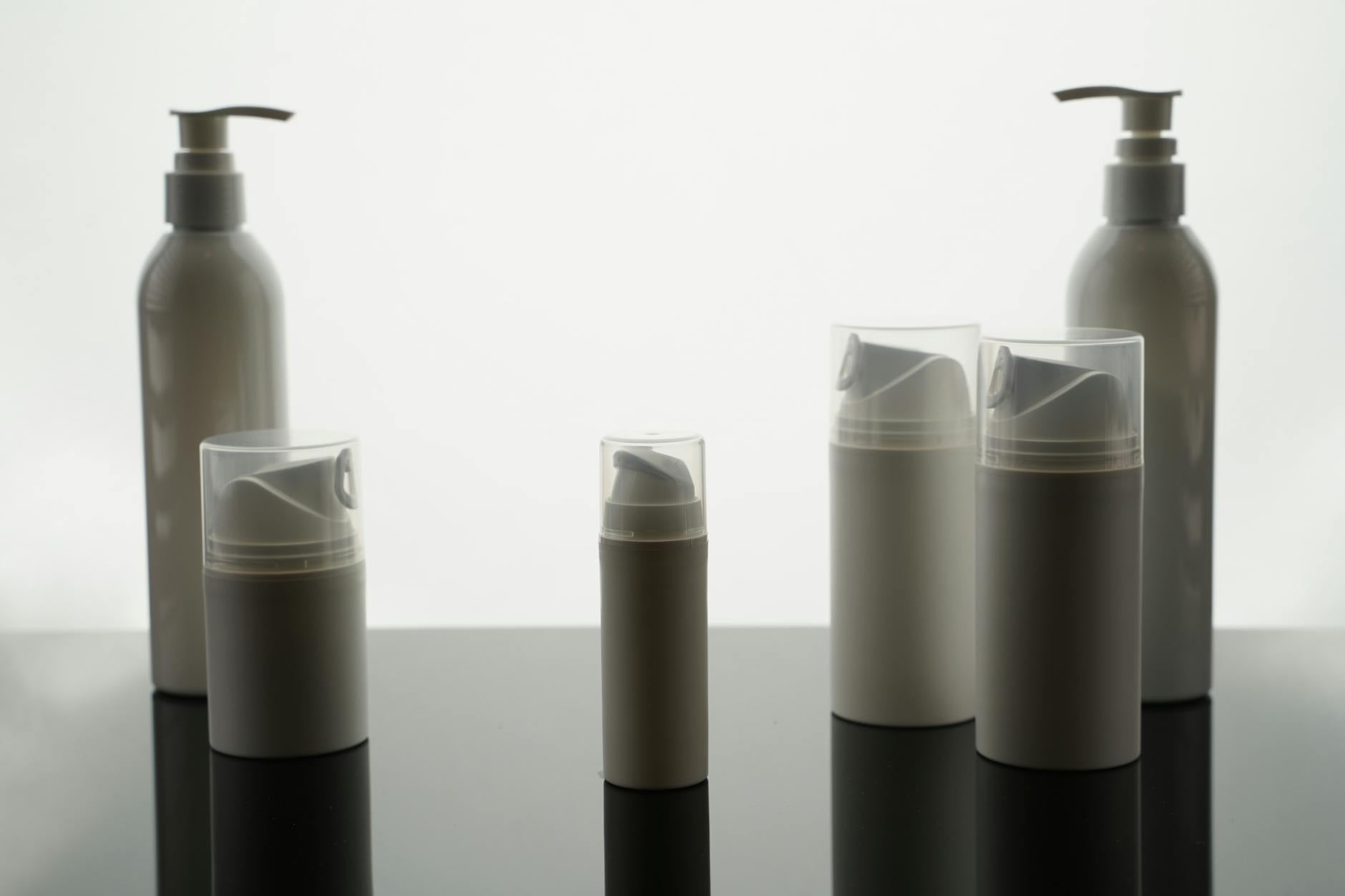
Lively’s approach centers on ingredient transparency and clinical testing rather than celebrity appeal. Each product launch includes detailed breakdowns of active compounds, sourcing information, and third-party lab results – documentation typically reserved for pharmaceutical-grade skincare lines. This level of disclosure sets her brand apart in a market where ingredient lists often read like chemistry textbooks without explanation.
The pricing strategy occupies a sweet spot between drugstore accessibility and luxury positioning. Products range from $28 to $85, making them attainable for her core demographic while maintaining perceived value through premium packaging and formulation. This positioning allows the brand to compete directly with mid-tier beauty giants without the overhead costs of traditional retail distribution.
Customer retention rates tell the real story of the brand’s momentum. Repeat purchase data shows that 73% of first-time buyers return within six months for additional products, a metric that surpasses industry averages by nearly 30 percentage points. This loyalty stems from consistent product performance rather than marketing hype, creating a sustainable revenue model that doesn’t rely on constant new customer acquisition.
Distribution Strategy That Defies Convention
The brand operates exclusively through its own website and a carefully selected roster of premium retailers. This selective distribution creates scarcity while maintaining quality control over the customer experience. Unlike competitors who chase maximum shelf space, Lively’s team focuses on environments where staff can properly educate customers about product benefits and usage.
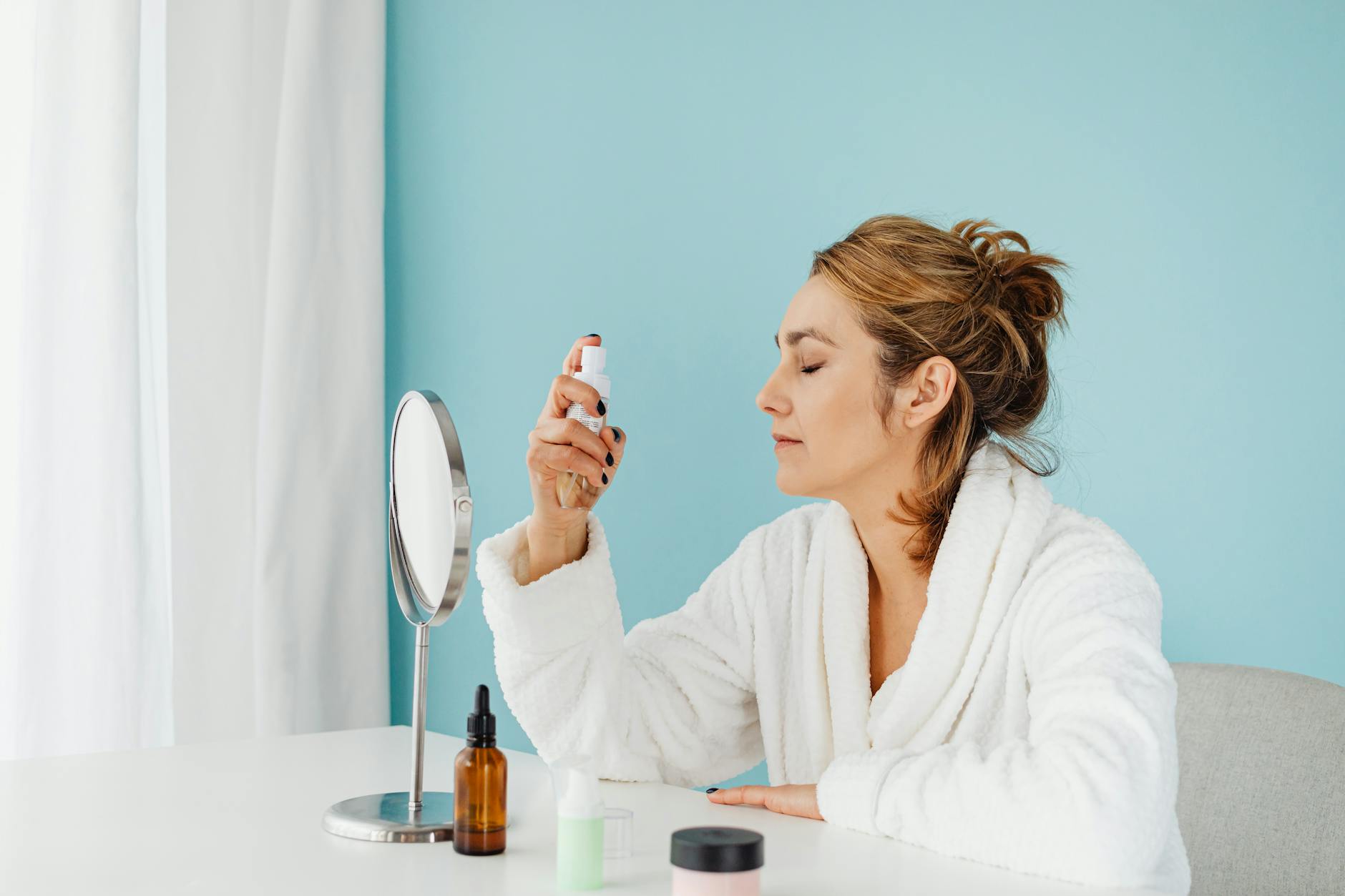
Social media buzz generates organically through user-generated content rather than paid partnerships with influencers. Customers share before-and-after photos and detailed reviews without prompting, creating authentic testimonials that carry more weight than sponsored content. This organic word-of-mouth marketing proves more effective than traditional advertising campaigns in driving conversions.
Market Impact and Industry Response
Established beauty conglomerates are taking notice of the brand’s unconventional success metrics. Several major players have quietly adjusted their own ingredient transparency policies and clinical testing protocols in response to consumer demand sparked by brands like Lively’s that prioritize scientific backing over marketing claims.
The success challenges conventional wisdom about celebrity beauty brands, which typically rely heavily on star power and mass market appeal. Instead of leveraging her entertainment industry profile, Lively positioned herself as a skincare enthusiast who happened to create effective products. This approach resonates with consumers who have grown skeptical of celebrity-endorsed products that prioritize profit margins over performance.
Manufacturing partnerships reflect the brand’s commitment to quality over quantity. Production runs remain relatively small, allowing for batch testing and quality control measures that larger operations often sacrifice for efficiency. This approach results in occasional stock shortages but maintains product consistency that builds long-term brand reputation.

The ripple effects extend beyond skincare into broader beauty industry practices. Retailers report increased consumer demand for detailed product information and clinical data, forcing other brands to become more transparent about formulations and testing procedures. This shift toward evidence-based marketing represents a fundamental change in how beauty products are developed and promoted.
Consumer behavior data reveals a generational divide in purchasing priorities, with younger buyers increasingly valuing ingredient integrity over brand recognition. Lively’s success demonstrates that celebrity status alone no longer guarantees beauty brand success – products must deliver measurable results to maintain market position in an increasingly educated consumer landscape.