


Bad Bunny took the Super Bowl halftime stage and did something the slot rarely asks of its headliners: he performed in the language he actually records in.
A Booking That Said Something Before the First Beat
For decades, the halftime show has been built around a simple promise: familiar songs, sung in English, for the widest possible American audience. Latin artists have appeared, but usually as part of a shared bill or as guests orbiting a bigger name. Bad Bunny himself was one of those guests during the 2020 show headlined by Shakira and Jennifer Lopez, a cameo that now reads like a preview.
This time there was no one to share the frame with. The Puerto Rican artist, born Benito Antonio Martinez Ocasio, was the headliner at Levi’s Stadium in Santa Clara, and the show was understood from the start to be a Spanish-language event. That alone is a break from the formula. The usual halftime logic says to hand a global star a medley of crossover hits and let the English-language choruses do the work.
Bad Bunny never really built a career that way. His album Un Verano Sin Ti earned a Grammy nomination for Album of the Year, a rare feat for a project recorded entirely in Spanish, and he got there without adding English verses or courting a pop remix. His 2025 album, DeBI TiRAR MaS FOToS, leaned even harder into Puerto Rican sounds and themes, pulling in older island rhythms alongside the reggaeton and Latin trap that made his name. He has treated his own language and home as the point, not an obstacle to be managed.
The NFL’s interest makes commercial sense, too. The league has spent years scheduling games abroad, including in Mexico City and Sao Paulo, and it has been courting audiences who may follow the sport casually but live inside Spanish-language music every day. A halftime headliner with that reach is less a gamble than an acknowledgment of who is already watching.
Why a Spanish-Language Set Works on the Biggest Stage in America
The most common objection to a non-English halftime show is that viewers will not understand the lyrics. It is a weaker argument than it sounds. Pop music has never required comprehension to connect, and a stadium show is built on rhythm, spectacle, and recognition rather than close reading. Anyone who spent the summer of 2017 hearing “Despacito” at every barbecue, gym, and grocery store understands that a hook can travel without a translation guide.
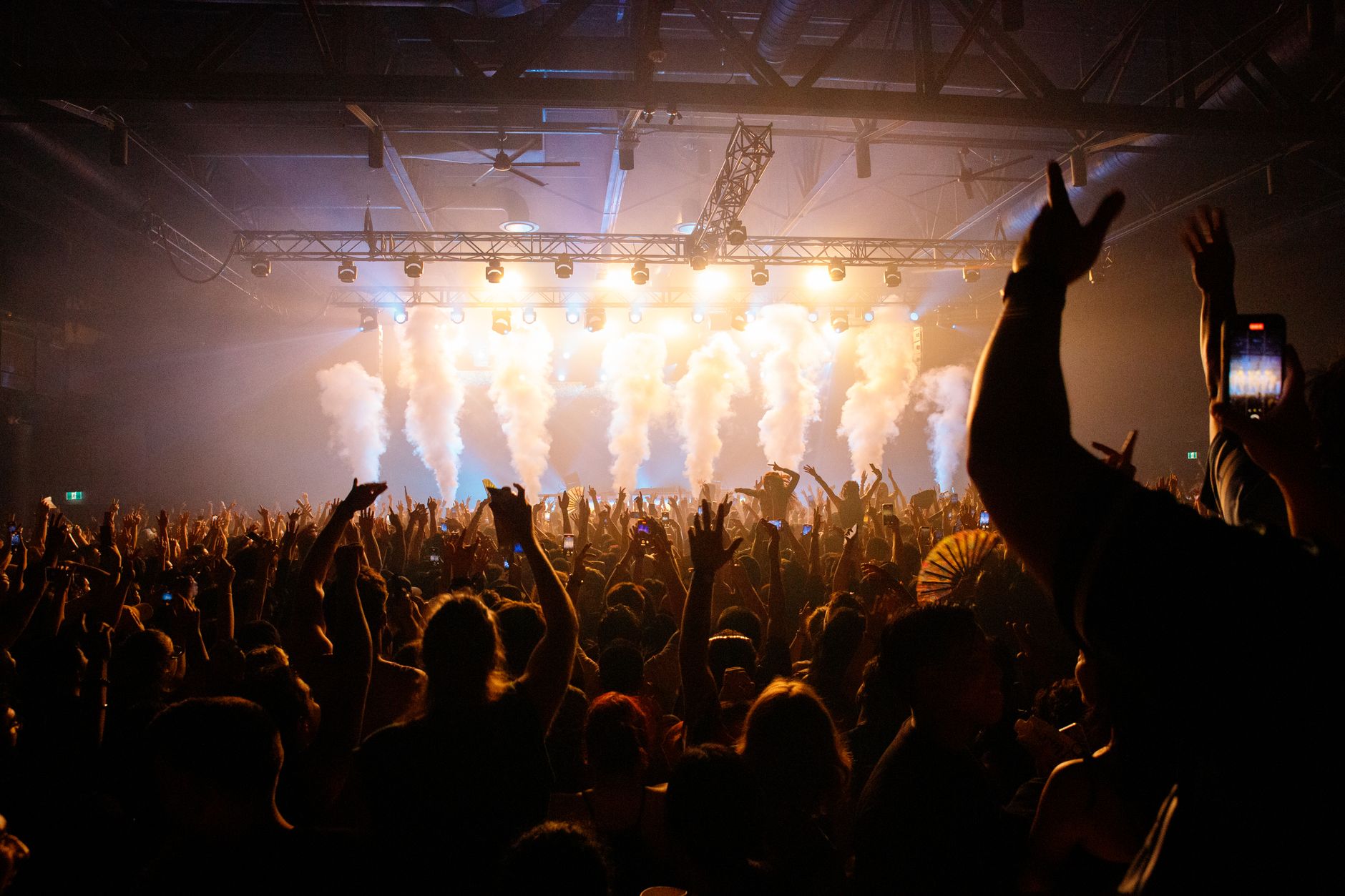
Bad Bunny’s music suits the format for a practical reason: it is physical. Dembow rhythms, heavy bass, and call-and-response choruses are designed for crowds, and the language of a chorus matters less when tens of thousands of people are already moving to it. A halftime set lasts only about a dozen minutes, and the songs that survive that compression are the ones that hit in the body first. His catalog has plenty of them.
Rhythm doesn’t need subtitles.
There is also the question of what Spanish carries when it is sung from a stadium in California. For Puerto Rican listeners, and for the wider Latino population in the United States, hearing the language at that volume, on that platform, is not a novelty. It is recognition. Bad Bunny’s recent work has been openly preoccupied with Puerto Rico, from the pride in its musical traditions to the anxiety about displacement and who gets to stay on the island. His long San Juan residency in 2025 was staged for local audiences first, and the choice to center the island rather than tour the mainland United States drew plenty of attention at the time.
Carrying that identity into a halftime slot changes what the slot means. The usual stadium spectacle is designed to be as broadly inoffensive as possible, with the artist sanded down into a brand. A set that keeps its language, its accent, and its regional references intact makes the opposite argument: that a specific place can fill a general stage. Plenty of viewers who didn’t catch every word still understood exactly what was being said about where he comes from.
What Comes After the Applause
Moments like this tend to get described as breakthroughs, but the more accurate word may be confirmation. Spanish-language music has been dominating streaming playlists and festival lineups for years, and the Super Bowl is a slow-moving institution that arrives after the audience has already moved. The halftime booking didn’t create the demand. It admitted the demand was there.
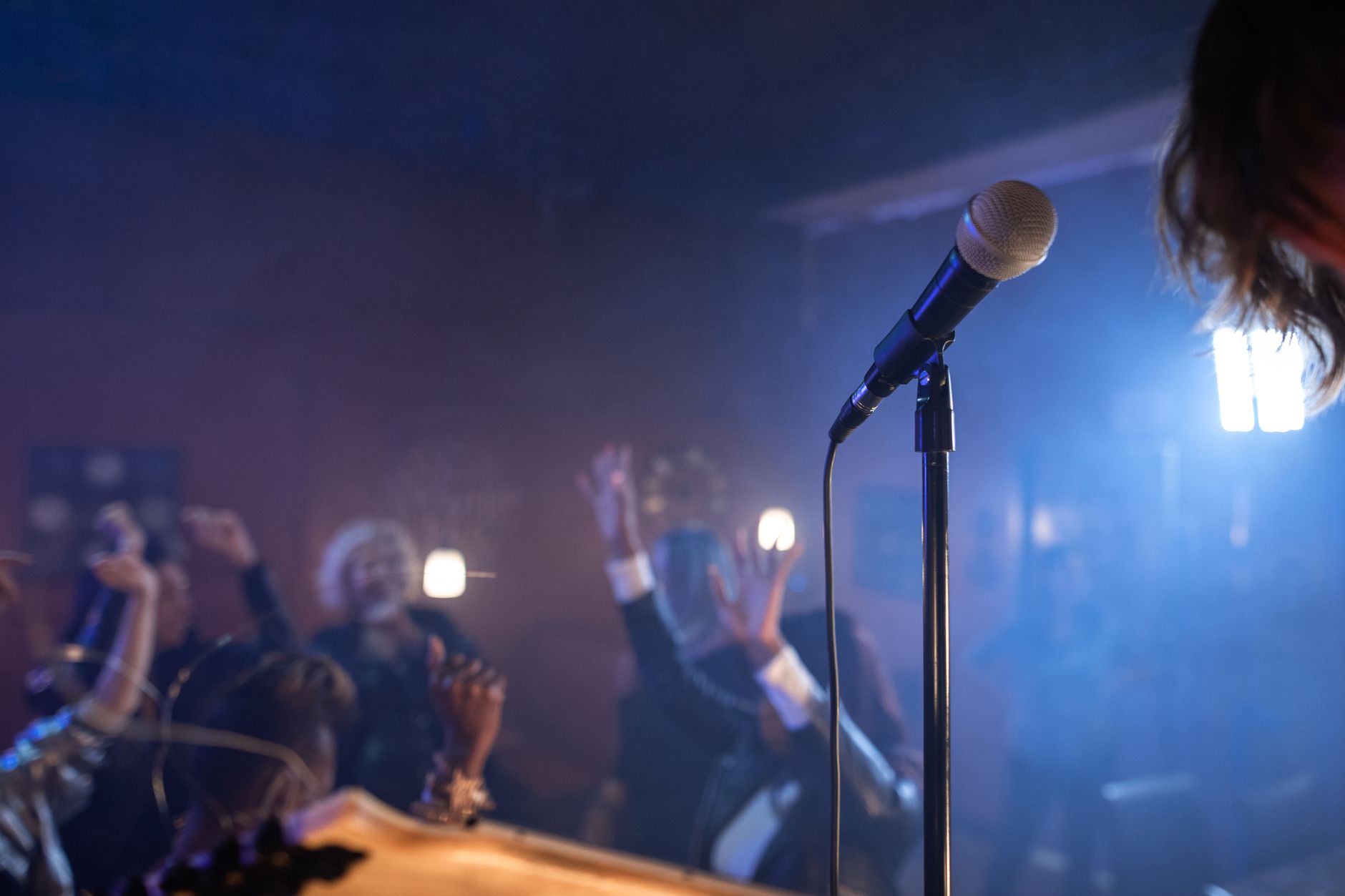
The harder question is whether the admission sticks. A single Spanish-language headliner can be read as a permanent opening or as a one-off exception that lets everyone feel progressive until the next announcement. The next halftime booking will be the real answer: will the league hand the stage to another artist who doesn’t sing in English, or does this stay the exception it was always going to be?