



Marc Benioff keeps 47 plants in his San Francisco office. Reed Hastings has transformed his Netflix headquarters into what employees call “the jungle.” Across Silicon Valley, tech executives are quietly building botanical sanctuaries in their workspaces – and they’re hiring specialized professionals to maintain them.
The plant care specialist industry has exploded in the Bay Area, with companies like Plantsome, The Sill’s corporate division, and local boutique services reporting 300% growth in executive clients over the past two years. These aren’t your typical office plants. We’re talking rare orchids, century plants, and living walls that cost more than most people’s cars.
“I have clients spending between $2,000 and $15,000 monthly just on plant maintenance,” says Maria Rodriguez, founder of Bay Area Botanicals, which services offices in Palo Alto and San Francisco. “These executives want museum-quality installations, and they want them perfect.”
The Science Behind the Green Revolution
Tech leaders aren’t just following a trend – they’re responding to mounting research about workplace wellness and cognitive performance. Studies from Stanford and UC Berkeley consistently show that exposure to plants reduces cortisol levels by up to 15% and improves focus metrics by 20%.
Dr. Sarah Chen, who studies workplace psychology at Stanford’s Graduate School of Business, explains the appeal: “High-stress executives are dealing with constant decision fatigue. Plants provide what we call ‘soft fascination’ – they engage attention without demanding it, allowing the prefrontal cortex to recover.”
The biophilia effect is particularly potent in sterile tech environments. While programmers stare at screens for 10-12 hours daily, living plants provide visual relief and improve air quality. NASA’s Clean Air Study identified specific plants – like snake plants and pothos – that remove formaldehyde and benzene from office air.
But executives aren’t settling for basic snake plants. They want statement pieces: 8-foot fiddle leaf figs, rare variegated monsteras, and custom moss walls that span entire conference rooms. These installations require professional expertise to maintain proper humidity, lighting, and nutrient schedules.
When Plant Care Becomes Personal Branding
For many Silicon Valley executives, their plant collections have become extensions of their personal brand. Instagram posts featuring lush office gardens generate engagement rates 40% higher than typical corporate content, according to social media analytics firm Sprout Social.
Tesla’s design team reportedly maintains a collection of desert succulents that mirror the company’s sustainable ethos. Airbnb’s executives favor plants native to their hosts’ locations – a subtle nod to their global marketplace. Even venture capital firms are getting in on the trend, with some partners showcasing rare specimens during video calls as conversation starters.
“Plants have become the new art collection,” notes lifestyle consultant Amanda Foster, who advises C-suite executives on workspace design. “They signal environmental consciousness, attention to detail, and a commitment to employee wellness – all in one Instagram-worthy package.”

The trend parallels other wellness investments among tech elites. Just as billionaires are hiring professional loneliness coaches to address isolation, plant specialists fill a specific wellness niche that busy executives can’t manage themselves.
The Business of Botanical Perfection
Professional plant care in Silicon Valley operates more like luxury concierge service than traditional landscaping. Specialists arrive weekly with pH meters, moisture sensors, and custom nutrient solutions tailored to each plant’s needs. They track growth patterns, adjust lighting systems, and even provide detailed health reports.
Rodriguez’s team uses an app to monitor every plant in their client portfolio. “We track watering schedules, fertilizer applications, pruning dates, even seasonal light adjustments,” she explains. “One dying plant in a CEO’s office reflects poorly on everyone involved.”
The service extends beyond maintenance. Specialists source rare specimens from specialty growers, design custom installations, and even provide plant consultation for merger negotiations. When two companies merge, plant specialists help blend their botanical aesthetics into a cohesive environment.
Some executives have taken the trend further, hiring specialists to maintain home offices and personal spaces. The boundary between professional and personal plant care has blurred, especially as remote work persists in tech culture.
Premium services include seasonal rotations, where specialists swap plants based on growth cycles and aesthetic preferences. Spring might feature flowering orchids, while winter showcases architectural succulents. The goal is maintaining visual interest year-round without requiring executive attention.
The Competitive Edge of Workplace Wellness
Silicon Valley’s plant obsession reflects a broader shift toward wellness-focused workplace culture. Companies are discovering that small environmental improvements can significantly impact employee retention and productivity.
Google’s biophilic design initiatives report 12% higher employee satisfaction scores in plant-rich environments. Facebook’s Menlo Park campus features living walls and garden spaces that employees cite as major factors in job satisfaction surveys. These investments pay dividends in talent retention, particularly among younger workers who prioritize workplace wellness.

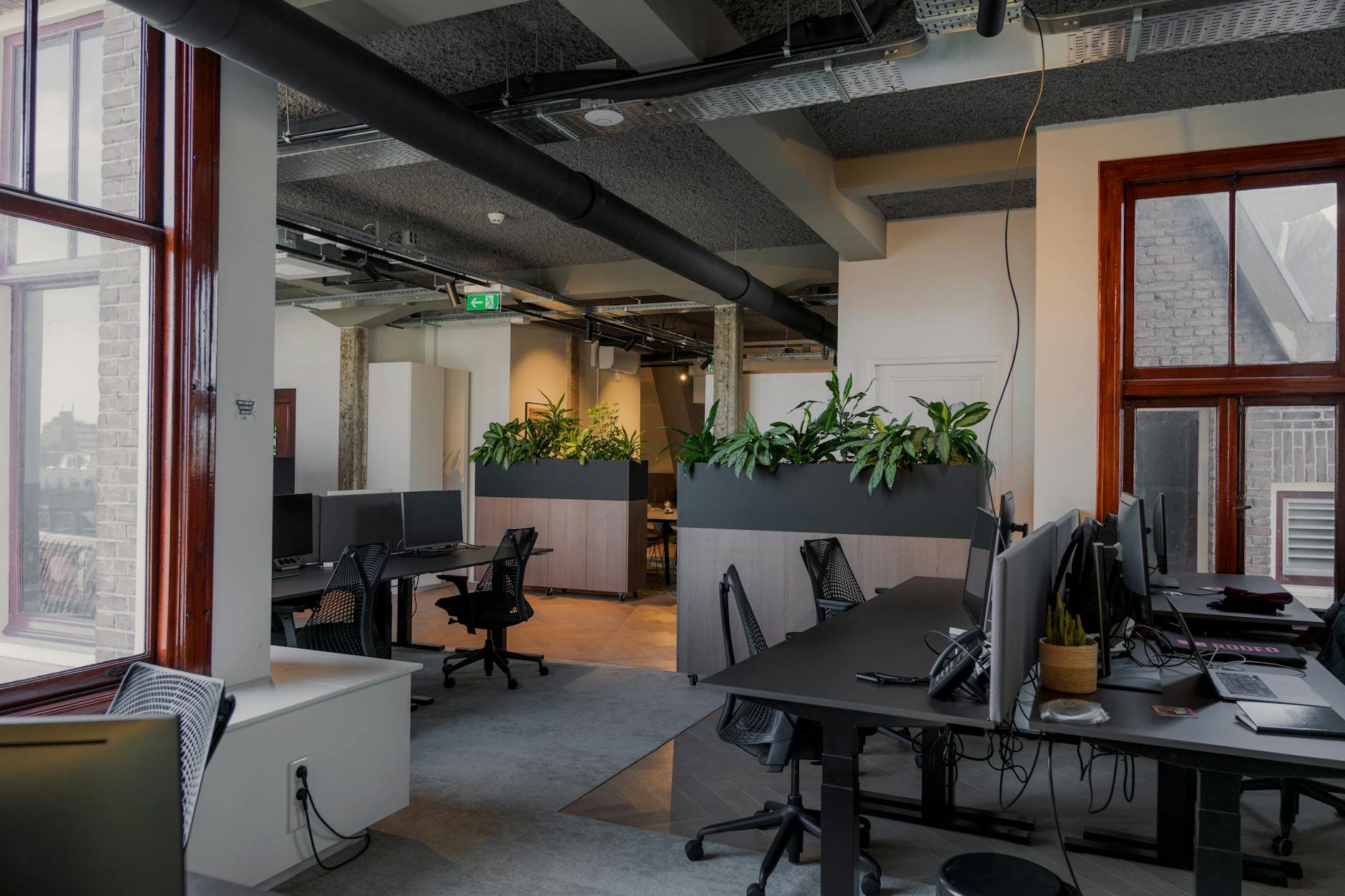
The trend also addresses the sterile nature of modern tech offices. Open-plan spaces with concrete floors and glass walls can feel clinical. Plants soften these environments, creating microenvironments that feel more human-scaled and comfortable.
Some companies are integrating plants into their recruitment strategies. Prospective employees tour offices that feel more like botanical gardens than corporate spaces. The message is clear: this company invests in employee wellbeing at every level.
The movement extends beyond aesthetics into measurable productivity gains. Research from the University of Exeter found that employees in plant-rich environments are 15% more productive than those in sparse offices. For companies where intellectual capital drives value, this represents significant competitive advantage.
Growing Into the Future
As hybrid work models reshape corporate real estate, plant specialists are adapting their services. Some offer “plant libraries” where employees can check out desk plants for home offices. Others provide virtual consultations to help executives maintain their collections remotely.
The industry is professionalizing rapidly. The Association of Professional Plant Care Specialists launched certification programs specifically for corporate clients. Universities are developing horticulture programs focused on workplace wellness applications.
Technology integration is accelerating too. IoT sensors monitor plant health in real-time, sending alerts to specialists’ smartphones when interventions are needed. Some firms are experimenting with automated watering systems and AI-powered growth optimization.
As wellness continues prioritizing in corporate culture, professional plant care represents more than a luxury service – it’s becoming essential infrastructure for companies serious about employee wellbeing. The green revolution in Silicon Valley shows no signs of slowing, and the executives leading it aren’t just following trends – they’re cultivating the future of work itself.
Frequently Asked Questions
How much do Silicon Valley executives spend on plant care specialists?
Executives typically spend $2,000 to $15,000 monthly on professional plant maintenance and rare botanical installations for their offices.
Why are tech leaders investing in professional plant care?
Research shows plants reduce stress by 15% and improve focus by 20%, while also serving as personal branding tools and employee wellness investments.