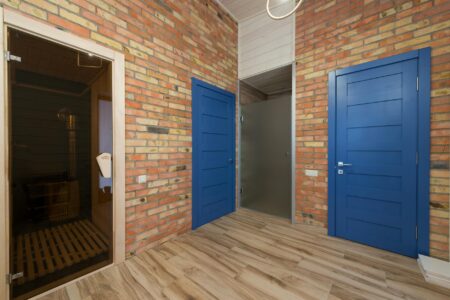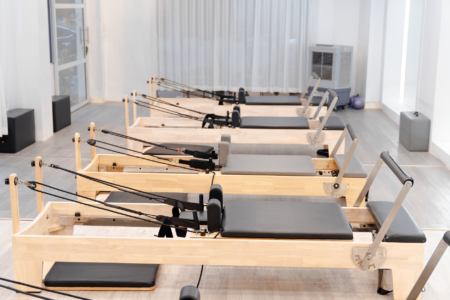



The traditional rental apartment is losing its grip on America’s remote workforce. Software developer Maya Chen ditched her San Francisco studio for a co-living space in Austin, trading isolation and high rent for community and flexibility. She’s not alone – thousands of digital nomads and remote workers are abandoning conventional leases for shared living arrangements that promise more than just four walls and WiFi.
This shift represents a fundamental change in how people think about home. Remote work eliminated the need to live within commuting distance of an office, but it also created new challenges: loneliness, lack of structure, and the burden of maintaining a full household while constantly on the move. Co-living spaces have emerged as the solution, offering furnished rooms, built-in communities, and the flexibility to relocate without breaking leases or buying furniture.

The Economics of Flexible Living
Traditional rentals demand significant upfront costs and long-term commitments that clash with remote work lifestyles. Security deposits, first and last month’s rent, utility setup fees, and furniture purchases can easily cost $10,000 before someone even moves in. Co-living companies like Selina, Outsite, and Common eliminate these barriers with all-inclusive monthly rates covering rent, utilities, WiFi, cleaning, and fully furnished spaces.
The financial advantages extend beyond move-in costs. Remote workers often relocate frequently, whether chasing better weather, lower costs of living, or new experiences. Breaking traditional leases means losing security deposits and paying early termination fees. Co-living memberships typically offer month-to-month flexibility or easy transfers between locations.
Sarah Martinez, a marketing consultant based in Denver, calculated she saved $8,000 in her first year by choosing co-living over traditional apartments. “I moved four times following different projects and seasons. With traditional rentals, I would have lost deposits, paid broker fees, and bought furniture multiple times. Co-living let me pack a suitcase and go.”
The shared economy model also reduces individual financial responsibility. When appliances break or maintenance issues arise, residents aren’t stuck with repair bills or the hassle of coordinating fixes. Property management handles everything, letting remote workers focus on their careers rather than household logistics.
Community as a Service
Remote work’s biggest drawback isn’t the lack of an office – it’s the lack of colleagues. Working from home eliminates casual conversations, spontaneous collaborations, and the social structure that offices provide. Co-living spaces deliberately cultivate community through shared spaces, organized events, and curated resident matching.
WeWork’s WeLive pioneered the concept of “community as a service,” organizing wine tastings, fitness classes, and professional networking events. Residents report these structured social opportunities feel more natural than forced meetups or dating apps for making friends.
“I was working 80-hour weeks from my one-bedroom apartment and barely speaking to humans,” says James Park, a freelance data analyst who moved to a co-living space in Miami. “Now I have workout partners, people to grab dinner with, and colleagues who understand the remote work lifestyle. It’s like having built-in work friends.”

The community aspect particularly appeals to remote workers in creative fields who benefit from collaboration and feedback. Many co-living spaces attract similar demographics – tech workers, designers, consultants, and entrepreneurs – creating natural professional networks. Residents frequently collaborate on projects, refer clients to each other, and form lasting business partnerships.
Some co-living companies specifically cater to professionals, screening residents and organizing industry-specific events. Selina targets digital nomads and remote workers, while Roam focuses on entrepreneurs and startup employees. This curation creates more intentional communities than random apartment buildings.
Designed for Productivity
Traditional apartments weren’t designed for full-time work. Kitchen tables masquerade as desks, bedrooms double as offices, and video calls happen against unmade bed backdrops. Co-living spaces recognize that remote workers need professional environments within residential settings.
Modern co-living properties feature dedicated coworking areas with proper desks, ergonomic chairs, high-speed internet, printing facilities, and phone booths for private calls. Some offer 24-hour access to workspace areas, accommodating remote workers who collaborate with international teams or prefer non-traditional hours.
The physical design extends beyond work areas. Co-living spaces typically feature larger common areas for socializing, fully equipped kitchens for cooking and informal meetings, and outdoor spaces for breaks and casual conversations. These designs recognize that remote workers need variety in their environments to stay productive and engaged.
Technology infrastructure receives particular attention. While traditional apartments might offer basic cable internet, co-living spaces provide enterprise-grade WiFi with backup connections and technical support. Some locations offer podcast recording studios, video production equipment, and other tools that freelancers and content creators need but can’t afford individually.
Like the trend of executives hiring professional digital detox coaches, co-living spaces recognize the importance of balancing work and life in digital-first environments.
The Global Office Concept
Co-living networks are creating something unprecedented: a global office system where members can work and live anywhere in the network. Selina operates in 25+ countries, Outsite spans six continents, and other networks are rapidly expanding. Members can book stays in any location, maintaining consistency in their living and working environments while exploring new cities.
This global access appeals particularly to digital nomads and location-independent workers who want to travel without sacrificing productivity or community. Instead of researching neighborhoods, vetting apartments, and hoping for good internet in each new city, they can book familiar environments with known amenities and built-in social networks.

The model also addresses visa and legal complications that complicate international remote work. Co-living companies handle local compliance, provide necessary documentation for visa applications, and offer legal addresses for business registration. This support system removes barriers that traditionally limited location independence.
Companies are beginning to recognize these benefits for their remote employees. Some startups offer co-living stipends instead of traditional office space, allowing distributed teams to work from professional environments while maintaining company culture through organized co-living experiences.
The co-living movement represents more than a housing trend – it’s a reimagining of how work and life integrate in the digital age. As remote work becomes permanent for millions of professionals, traditional housing models that assume stable, location-bound employment are becoming obsolete. Co-living spaces offer a glimpse of a future where flexibility, community, and productivity converge in new ways that serve the realities of modern work life.
Frequently Asked Questions
What are the main benefits of co-living for remote workers?
Co-living offers flexibility, built-in community, work-optimized spaces, and all-inclusive pricing without long-term commitments.
How much can remote workers save with co-living?
Workers can save thousands by avoiding security deposits, furniture costs, utility setup fees, and lease-breaking penalties.