


Why would anyone pay for a seat to watch a movie they already own, or can pull up on a phone in thirty seconds? Theater owners have spent years wrestling with that question, and the answer now showing up on marquees is blunt: sell the night, not the film.
The shift is visible in any weekly listing. Alongside new releases, screens are filled with anniversary re-releases of cult favorites, concert films, limited-run anime premieres, restorations introduced by filmmakers, and double features built around a single franchise. None of these is meant to compete with a blockbuster on opening weekend. They exist to fill the hours and auditoriums that a thinner release calendar leaves empty, and to give audiences a reason to leave the couch that a streaming queue can’t match. The programming logic is closer to booking a concert venue than stocking a shelf.

The Appeal of a Known Quantity
A new original film is expensive to market because audiences first have to be told it exists, then convinced it’s worth the trip, the ticket, and the babysitter. A re-release skips most of that work. Title recognition is built in, the fan base has spent years organizing itself online, and the pitch fits on a poster: back on the big screen, one week only. Studios sitting on deep libraries have found that an older film with a clean 4K transfer or a refreshed sound mix is a low-risk addition to the schedule. Exhibitors benefit too, since they don’t have to gamble on whether a mid-budget drama will find its audience in a crowded month.
Nostalgia does much of the lifting, but it isn’t limited to people who saw the film the first time around. Parents bring kids to the movie they loved at that age. Younger viewers who grew up watching a favorite on a tablet get their first chance to see it at full scale, which turns a familiar title into something closer to a discovery. A scene that felt small at home lands differently when a full house gasps at the same instant. That gap between the two experiences is the actual product being sold.
Scarcity seals the deal. Streaming trained audiences to assume everything is available forever, which makes any single viewing feel optional. A screening with a fixed date and a short window reverses that logic. The ticket becomes a small deadline, and the deadline creates an urgency no “now streaming” banner can manufacture. Add a collectible poster or a commemorative cup and the night becomes something people can keep, photograph, and post.
What the Math Looks Like for Theaters
Exhibitors run on thin margins and a calendar full of dead zones. Tuesday evenings and mid-month stretches without a major release leave rooms dark, yet rent, utilities, and staffing keep running. An event screening can fill a weeknight slot with an audience motivated enough to arrive early and spend on food. Concessions are where theaters earn much of their profit, and a fan who came for a ritual tends to treat popcorn and a drink as part of it. Special pricing, premium-format screens, and themed merchandise lift the take further.
The cost side is lighter, too. The film is finished, the trailer exists, and the audience is already online talking about it.

Theaters as Venues, Not Delivery Systems
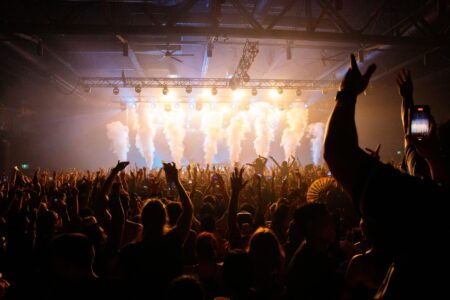
The deeper logic is about what a theater can do that a living room cannot. A quote-along, a costume night, a singalong to a concert film, a Q&A after a restoration: these are shared acts, and the film is only the occasion. Audiences at these events aren’t passive. They laugh at jokes they know are coming, cheer a character’s entrance, and film each other in the lobby. The theater behaves less like a place where a product is delivered and more like a concert hall or a sports bar. Every attendee who posts a photo becomes a small advertisement for the next event. Regular programming rarely generates that kind of loop, because few people dress up for an average Thursday showing of a mid-budget thriller.
There is a cost, though, and it’s measured in screens. Each slot handed to an anniversary showing is a slot a new film doesn’t get, and smaller releases are the first to lose out when a reliable crowd-pleaser is available. Independent distributors already fight for showtimes. An exhibitor weighing a modest new drama against a beloved classic with near-guaranteed attendance will often choose the classic, and it’s hard to blame anyone doing that math when the lease is due.
There is also the question of whether event culture can be stretched indefinitely. Special nights work because they are special. If every week carries an anniversary, a fan night, and a restored classic, the sense of occasion thins out and audiences start treating them like any other listing. The theaters likely to handle this best are the ones that curate with a point of view, picking titles that connect to a local community or a specific kind of fan, rather than running whatever a distributor offers at a discount.

Meanwhile, the films that will be tomorrow’s re-release candidates have to be made and shown first. A theater that books only what audiences already love is borrowing against a future library it isn’t helping to build. Which new release will anyone line up in costume for twenty-five years from now, if it never got a screen?