



Silicon Valley entrepreneur Sarah Chen spent two hours last month practicing small talk about her weekend hobbies. The billionaire tech founder wasn’t preparing for a job interview – she was working with a professional conversation coach before attending a charity gala in Manhattan.
Chen represents a growing trend among ultra-wealthy individuals who are hiring specialized coaches to refine their social skills for high-stakes networking events, board meetings, and exclusive gatherings. These conversation coaches, charging between $300 to $1,500 per hour, teach everything from active listening techniques to the art of graceful topic transitions.
“Wealthy individuals often excel in business but struggle with casual social interactions,” explains Dr. Michael Rodriguez, a former corporate consultant who now coaches tech executives and entertainment industry leaders. “They’re used to speaking about metrics and strategies, but stumble when someone asks about their thoughts on the latest Netflix series.”
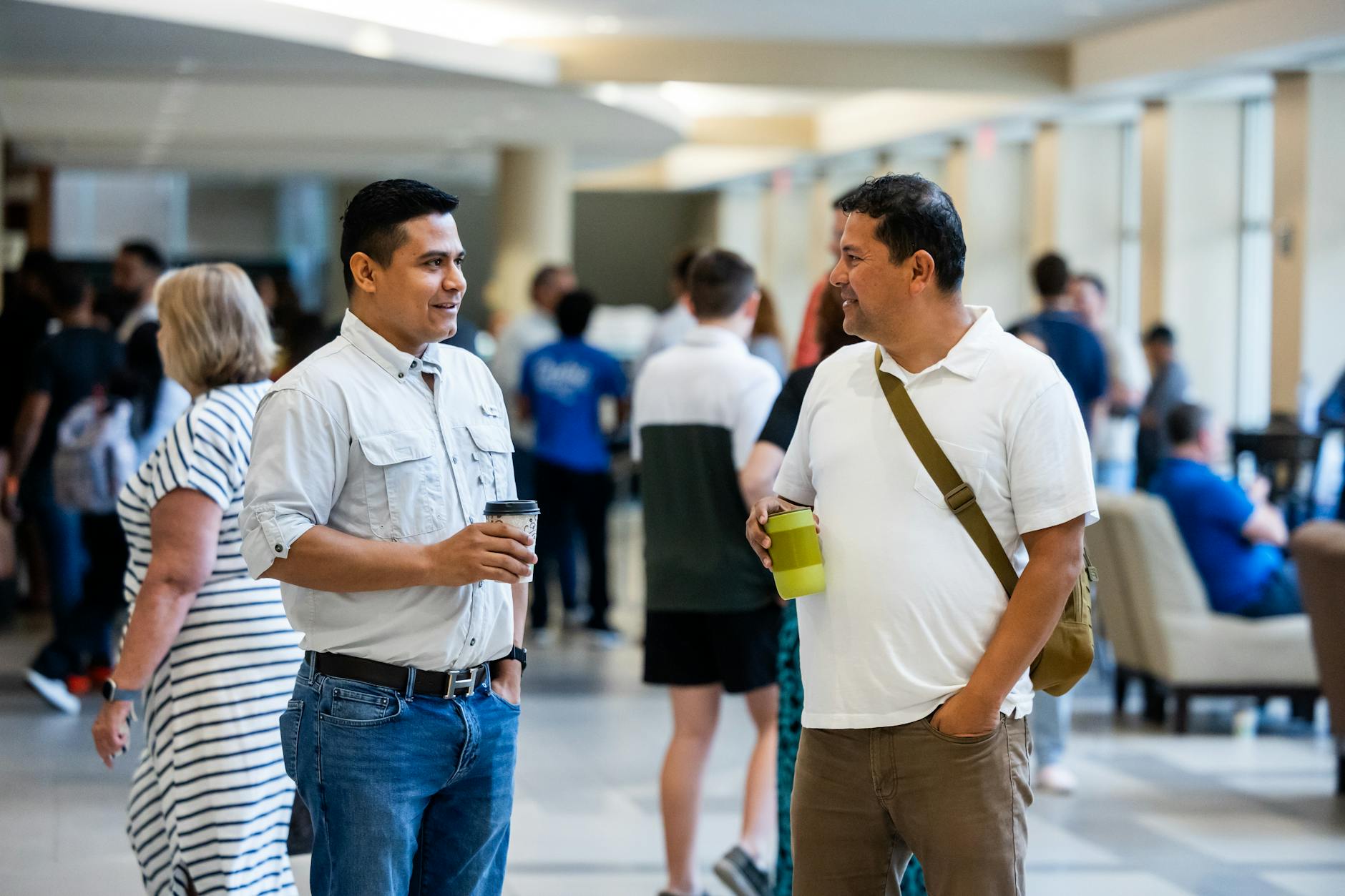
The Rise of Social Skills as a Business Asset
The demand for conversation coaching has surged alongside the increasing importance of personal branding and relationship-building in today’s business landscape. Investment banker turned conversation coach Lisa Park reports that her client roster has tripled since 2020, with requests coming from hedge fund managers, real estate moguls, and entertainment executives.
“Social media has changed the game,” Park notes. “Every interaction at a gala or industry event could end up on Instagram or be discussed in business circles. My clients want to ensure they come across as relatable and engaging, not just successful.”
The coaching typically covers several key areas: reading social cues, asking thoughtful follow-up questions, sharing personal anecdotes without oversharing, and knowing when to gracefully exit conversations. Many coaches use role-playing exercises that simulate common scenarios like cocktail party small talk or dinner table discussions with diverse groups.
Tech entrepreneur James Liu, who built a logistics company valued at over $2 billion, credits his conversation coach with helping him secure crucial partnerships. “I used to default to talking about market analysis or operational efficiency,” Liu shares. “Now I can discuss everything from travel experiences to cooking shows, which has opened doors I never expected.”
Beyond Small Talk: The Art of Authentic Connection
Professional conversation coaches distinguish their services from traditional public speaking training or media coaching. While those disciplines focus on formal presentations or interviews, conversation coaching addresses the nuanced skill of informal dialogue that builds lasting relationships.
“It’s not about being fake or manipulative,” emphasizes Rodriguez. “It’s about becoming genuinely curious about other people and learning to express your authentic self in ways that connect with different audiences.”
The coaching process often begins with video analysis of clients’ existing conversational patterns. Coaches identify habits like interrupting, monologuing, or asking closed-ended questions that shut down dialogue. They then work on developing emotional intelligence and empathy – skills that many high achievers may have overlooked while climbing corporate ladders.
Conversation coach Amanda Foster, who works with entertainment industry clients, explains that many successful individuals struggle with vulnerability in social settings. “They’re afraid that showing interest in seemingly trivial topics might make them appear less serious or intelligent,” she says. “I teach them that curiosity about others’ experiences actually demonstrates emotional intelligence.”

The training extends to non-verbal communication as well. Coaches work on eye contact patterns, body language that invites conversation, and the subtle art of active listening through physical cues. Many clients practice in simulated environments before attending actual events.
The Psychology Behind the Need
Psychologists point to several factors driving this trend among wealthy individuals. Success in business often requires laser focus on specific skill sets, leaving little time to develop broad conversational abilities. Additionally, the isolation that can come with extreme wealth creates fewer opportunities for natural social skill development.
“Many ultra-successful people have spent decades in environments where their expertise was the primary basis for interaction,” explains Dr. Sarah Kim, a behavioral psychologist who studies high-achiever social patterns. “They may excel at strategic discussions but feel awkward when the conversation shifts to personal interests or cultural topics.”
The stakes feel higher for wealthy individuals whose social missteps could affect business relationships or public perception. A poorly received comment at a charity event or awkward interaction at an industry gathering could potentially impact deals worth millions.
Similar to how wealthy parents are hiring professional gaming coaches for their kids to help them connect with peers, affluent adults are investing in conversation skills to navigate their own social circles more effectively.
The Investment in Social Capital
The financial commitment to conversation coaching varies widely based on the coach’s background and the client’s needs. Former diplomats and psychology professionals command premium rates, while some coaches offer group sessions or intensive weekend workshops for those seeking more affordable options.
Many clients view the expense as a business investment rather than personal development. Real estate developer Marcus Chen reports that improved conversation skills helped him close a major development deal after bonding with investors over shared interests in sustainable architecture and urban planning.
“The return on investment is measurable,” Chen explains. “Better relationships lead to better opportunities. It’s that simple.”
Some coaches specialize in specific industries or social contexts. Entertainment industry conversation coaches focus on navigating film premieres and award season events, while finance-focused coaches emphasize skills for exclusive investor gatherings and charity auctions.

The trend reflects broader changes in how business relationships are formed and maintained. As remote work and digital communication reshape professional interactions, the ability to make genuine connections during in-person events becomes increasingly valuable.
Like other executive coaching trends, including Fortune 500 CEOs hiring professional memory coaches, conversation coaching represents a recognition that soft skills require the same deliberate development as technical expertise.
Looking ahead, conversation coaches predict continued growth in their field as younger entrepreneurs and inherited wealth individuals seek to develop social skills that complement their financial success. The next generation of wealthy individuals appears more aware of the importance of emotional intelligence and authentic relationship-building in both business and personal contexts.
As social media continues to blur the lines between public and private interactions, the ability to navigate conversations with grace and authenticity will likely become an increasingly valuable skill for those at the top of the economic ladder.
Frequently Asked Questions
How much do professional conversation coaches charge?
Conversation coaches typically charge between $300 to $1,500 per hour depending on their background and expertise.
What do conversation coaches teach wealthy clients?
They teach active listening, small talk skills, reading social cues, and authentic relationship-building techniques for networking events.