



The Great Urban Exodus Reaches New Heights
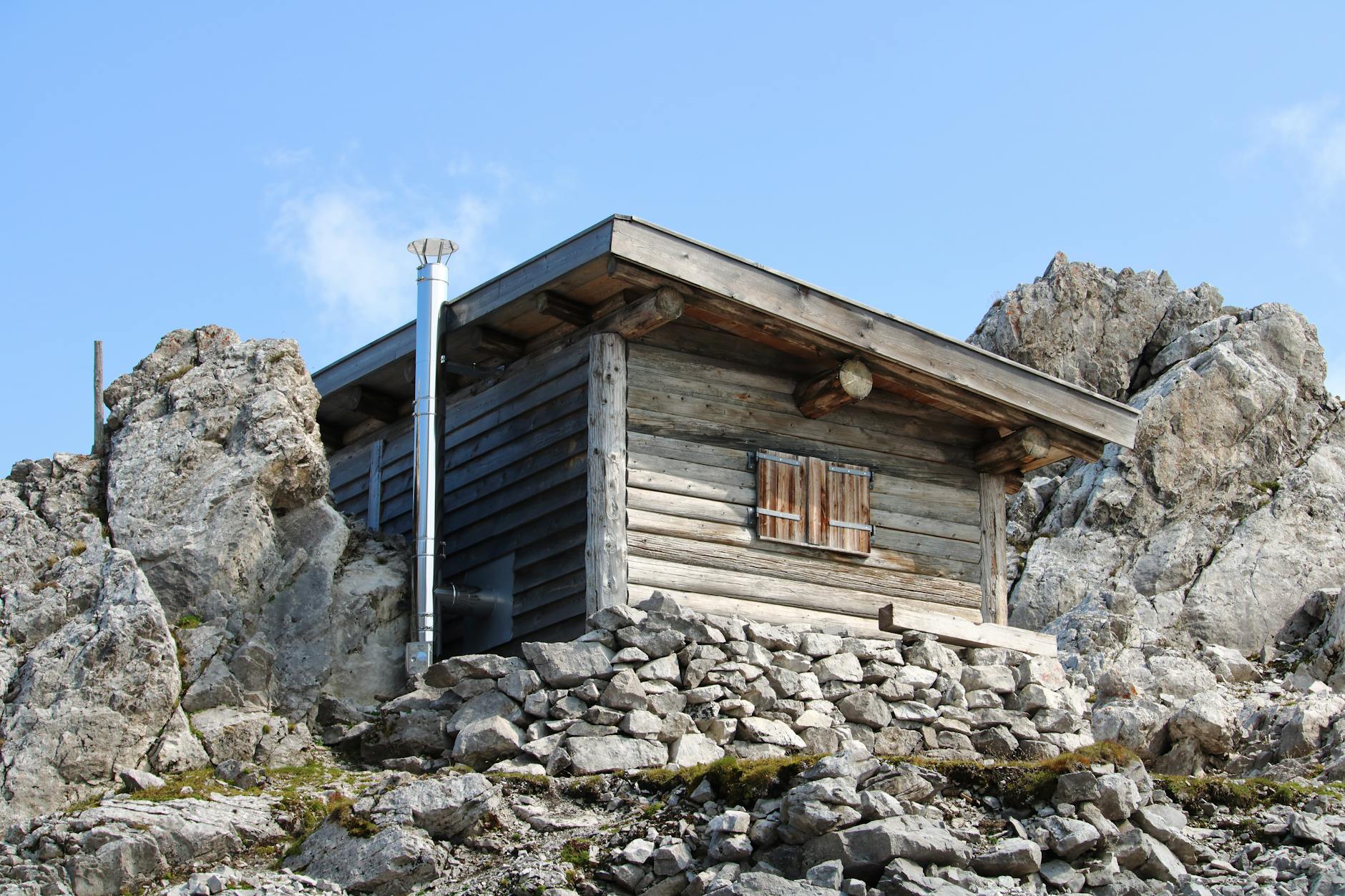
Silicon Valley tech executives are trading their luxury condos for log cabins. Wall Street traders are swapping subway commutes for mountain hikes. Across America, high-earning professionals are making a permanent move from major metropolitan areas to remote mountain communities, fundamentally reshaping both urban centers and rural economies.
This migration accelerated during the pandemic but has evolved far beyond temporary work-from-home arrangements. Today’s mountain movers are selling multi-million-dollar properties in cities like San Francisco, New York, and Los Angeles to establish roots in places like Jackson, Wyoming; Bozeman, Montana; and Bend, Oregon. They’re bringing their careers, their capital, and their expectations for high-end amenities to communities that previously catered primarily to seasonal visitors.
The numbers tell a compelling story. According to recent real estate data, luxury home sales in mountain resort towns increased by 78% over the past three years, with the average buyer earning more than twice the previous decade’s typical purchaser. These aren’t second homes or vacation properties – they’re primary residences for people who have fundamentally reimagined their relationship with work and place.
Technology Makes Geography Optional
The foundation of this migration rests on technological infrastructure that finally makes remote mountain living viable for high-earning professionals. Starlink satellite internet has brought reliable high-speed connectivity to previously underserved areas, while co-working spaces and business centers have sprouted in towns like Telluride, Colorado and Park City, Utah.
Investment banker Sarah Chen relocated from Manhattan to Steamboat Springs, Colorado in 2022, maintaining her six-figure income while cutting her living costs by 40%. “I can run video conferences from my home office overlooking the Yampa Valley,” Chen explains. “My clients don’t know or care that I’m 2,000 miles from Wall Street as long as the work gets done.”
The shift represents more than just remote work – it’s a complete reimagining of professional life. Many high earners are launching consulting practices, joining distributed teams at tech companies, or starting location-independent businesses. Private equity firms, hedge funds, and tech companies increasingly embrace fully remote senior positions, making it possible for executives to maintain their earning power from anywhere with reliable internet.
Video conferencing technology, cloud-based collaboration tools, and digital payment systems have eliminated many traditional barriers to remote work. Professional services that once required face-to-face interaction now happen seamlessly online, from legal consultations to financial planning sessions.
Quality of Life Becomes the Ultimate Status Symbol
For many affluent professionals, the mountain lifestyle represents a new definition of success. Instead of competing over office square footage or commute times, they’re prioritizing access to hiking trails, ski slopes, and clean air. The status symbols have shifted from luxury cars stuck in traffic to mountain bikes and backcountry skiing gear.
Former Google executive Michael Torres moved from Palo Alto to Whitefish, Montana, citing the outdoors access as transformative for his family. “My kids learned to ski before they could ride bikes,” Torres says. “We’re hiking mountains instead of sitting in traffic. The quality of life improvement is immeasurable.”
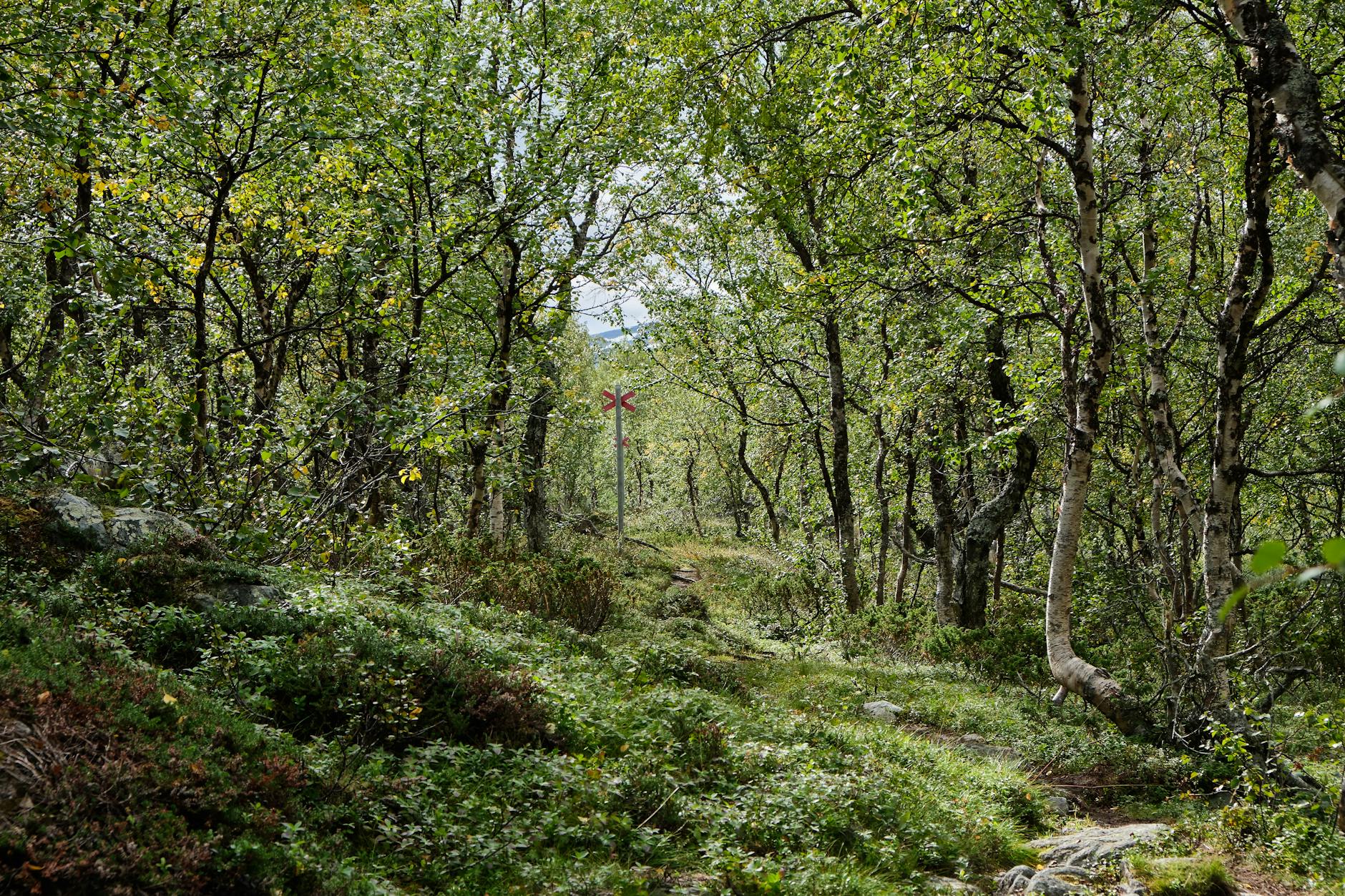
The appeal extends beyond recreation. Mountain communities offer lower crime rates, stronger community connections, and escape from urban stresses that many high earners found increasingly unbearable. The pandemic highlighted these quality-of-life differences, but the benefits have proven lasting enough to sustain permanent relocation decisions.
Housing costs, despite rising dramatically in mountain towns, often remain lower than major metropolitan areas when factoring in property size and amenities. A tech executive can sell a small San Francisco condo and purchase a sprawling mountain home with acreage, workshop space, and panoramic views.
The lifestyle change also offers tax advantages in many cases. States like Wyoming, Montana, and Colorado offer more favorable tax structures than California or New York, providing additional financial incentive for the move while maintaining or increasing disposable income.
Transforming Mountain Communities
This influx of affluent residents is dramatically reshaping mountain communities, bringing both opportunities and challenges. Local economies benefit from increased spending power, with new restaurants, boutiques, and service businesses catering to sophisticated tastes and higher incomes.
Towns like Bozeman have seen explosive growth in high-end dining, specialty retail, and professional services. Real estate prices have surged, but so has economic development. New co-working spaces, business incubators, and tech meetups have emerged, creating entrepreneurial ecosystems in previously tourism-dependent communities.
However, the transformation isn’t without tension. Long-time residents face housing affordability challenges as property values skyrocket. Service workers and local professionals increasingly struggle to find affordable housing in communities where median home prices have doubled or tripled.
Many mountain towns are implementing policies to preserve workforce housing and maintain community character. Deed restrictions, affordable housing requirements, and zoning changes aim to balance growth with sustainability. Some communities have established residency requirements for certain housing developments or created below-market-rate housing programs.
The Future of High-Altitude Success
This migration pattern shows no signs of slowing. As remote work becomes permanently embedded in corporate culture and technology continues improving rural connectivity, expect more high-earning professionals to prioritize location independence. The COVID-19 pandemic may have triggered the initial exodus, but the fundamental drivers – technology, lifestyle preferences, and work flexibility – remain stronger than ever.
Mountain communities are adapting by investing in infrastructure, expanding broadband access, and developing amenities that attract and retain affluent residents. Airports in places like Jackson and Aspen are seeing increased private jet traffic, while delivery services and high-end retail are expanding to serve the new resident base.
The long-term implications extend beyond individual lifestyle choices. This redistribution of high-earning professionals could help reduce urban inequality while boosting rural economies. It represents a fundamental shift in how Americans think about career success and geographic opportunity.
As more companies embrace permanent remote work policies and mountain towns continue investing in infrastructure and amenities, this trend will likely accelerate. The next decade may see the emergence of true “mountain business hubs” – communities that combine outdoor recreation access with serious economic opportunity, redefining what it means to live and work in America.
Frequently Asked Questions
Why are high-earners moving to mountain towns permanently?
They’re seeking better quality of life, outdoor recreation access, and lower living costs while maintaining remote high-paying careers.
Which mountain towns are seeing the biggest influx of wealthy residents?
Jackson Wyoming, Bozeman Montana, Bend Oregon, and Steamboat Springs Colorado are among the most popular destinations.