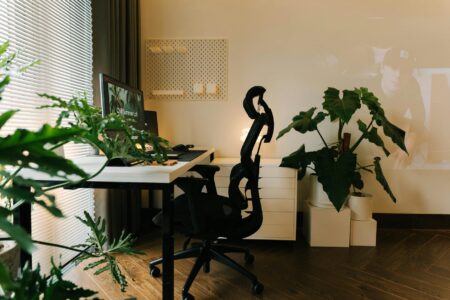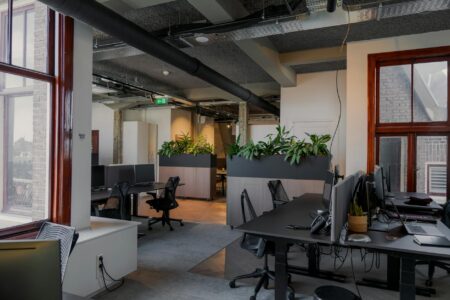



Goldman Sachs CEO David Solomon recently made headlines when he ditched his Manhattan corner office for three days a week at Library, a members-only silent co-working space in SoHo. He’s not alone. Netflix co-CEO Reed Hastings, Airbnb’s Brian Chesky, and dozens of Fortune 500 executives are trading traditional office perks for the radical quiet of these productivity sanctuaries.
The shift represents more than workplace preference – it’s a fundamental reimagining of how top-level decision-makers approach focus in an increasingly distracted world. These spaces, which prohibit phone calls, meetings, and even whispered conversations, are becoming the boardrooms of choice for executives who’ve discovered that silence isn’t empty space – it’s premium real estate for the mind.
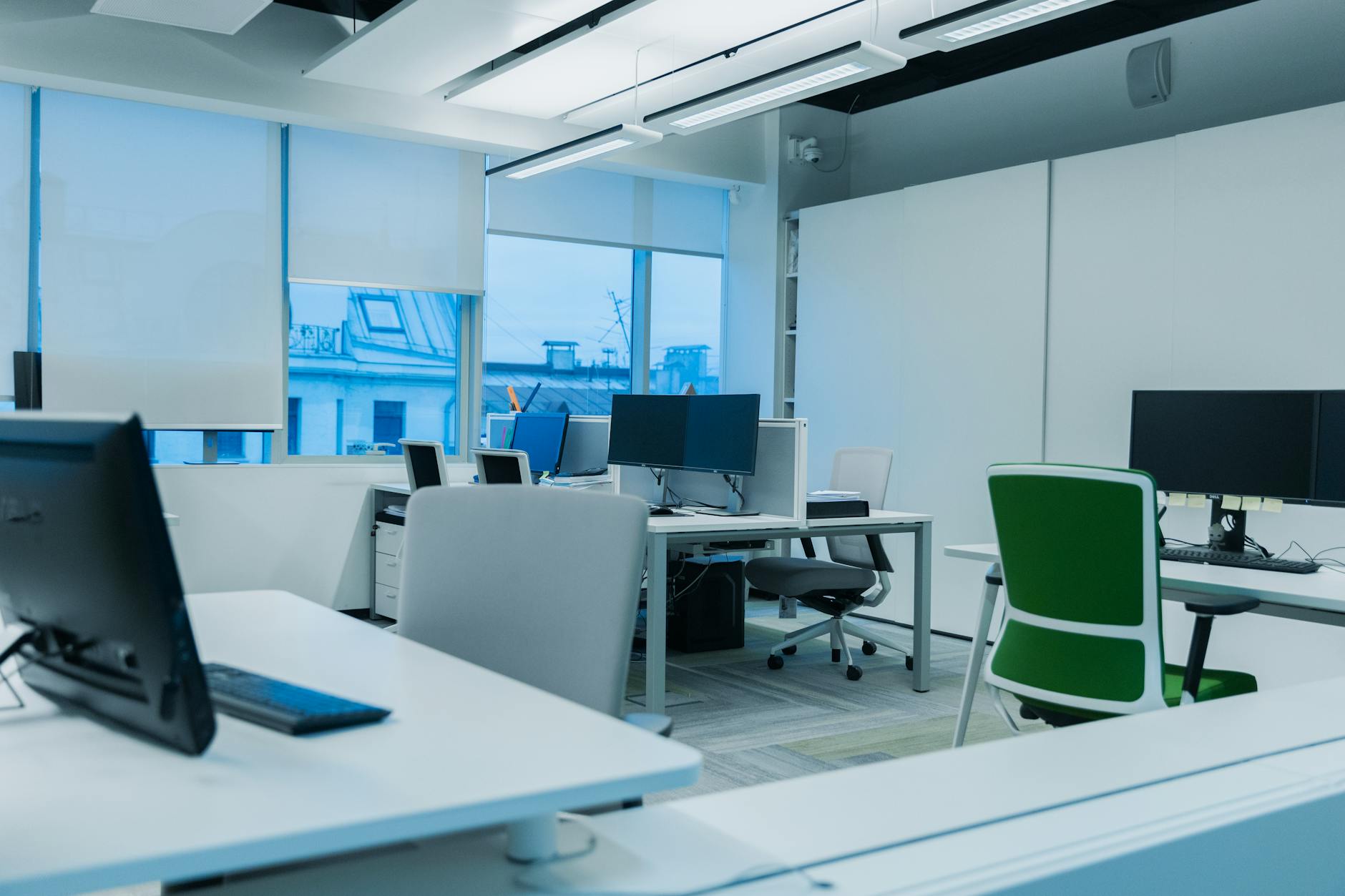
The Science Behind Executive Silence
Research from Stanford’s Graduate School of Business reveals that executives lose an average of 23 minutes of deep focus every time they’re interrupted. In traditional offices, senior leaders face interruptions every 3 minutes during peak hours. Silent co-working spaces eliminate this cognitive fragmentation entirely.
Dr. Sophie Leroy, who studies attention residue at the University of Washington, found that executives who work in silent environments show 40% better performance on complex decision-making tasks. “When you remove auditory distractions, the executive brain can access higher-order thinking patterns that are impossible in noisy environments,” she explains.
Wing, a silent co-working chain with locations in Manhattan, San Francisco, and Austin, reports that 60% of their premium members are C-suite executives or senior VPs. Members pay between $400-800 monthly for guaranteed silence, noise-canceling architecture, and spaces designed specifically for deep work.
The neuroscience backs up the investment. Brain imaging studies show that constant low-level noise – the kind found in typical offices – keeps the amygdala in a state of mild activation, reducing cognitive resources available for strategic thinking. Silent spaces allow the prefrontal cortex to operate at full capacity.
Beyond Productivity: The Status Symbol of Solitude
For many executives, silent co-working represents a new form of luxury – the ability to think without interruption. Marcus Brownlee, founder of private equity firm Brownlee Capital, describes his daily routine at Cubicall, a silent workspace in Chicago’s Loop district.
“I arrive at 6 AM, claim a corner desk, and work until noon without a single human interaction,” Brownlee says. “It’s more productive than any private office I’ve ever had. The silence forces you to confront your thoughts and priorities in ways that regular offices don’t allow.”
This trend mirrors broader shifts in executive lifestyle choices, similar to how tech CEOs are hiring professional friendship coaches to optimize their personal relationships with the same strategic thinking they apply to business.
The spaces themselves are designed with executive needs in mind. Library’s flagship location features Herman Miller furniture, circadian lighting systems, and individual climate controls. Members can reserve specific desks weeks in advance, creating consistency that busy executives crave.
Quiet co-working also offers something traditional executive offices can’t: complete anonymity. At Wing’s Wall Street location, members agree to a “no networking” policy. Business cards are forbidden. The focus is purely on individual work, not relationship building.
“There’s tremendous relief in being somewhere where no one expects you to be ‘on’,” explains Sarah Chen, VP of Strategy at a major consulting firm. “I can think through complex problems without managing relationships or office politics.”
The Economics of Executive Focus
The numbers justify the investment. McKinsey research indicates that executives who engage in regular deep work sessions – defined as three or more hours of uninterrupted focus – make decisions 25% faster and with 30% fewer revisions than those who work in traditional office environments.
Convene, which operates silent floors in several major cities, tracks productivity metrics for their executive members. They report that senior leaders complete complex projects an average of 2.3 days faster when working exclusively in silent environments versus traditional offices.
The time savings translate directly to competitive advantage. When Salesforce executives need to review major acquisition proposals, they often book multi-day sessions at Industrious silent locations rather than using company conference rooms. The isolated environment allows for deeper financial modeling and strategic analysis.
Some companies are building silent spaces internally. Google created “focus pods” at their Mountain View campus after executives requested quiet alternatives to open offices. Amazon’s Seattle headquarters includes soundproof “thinking rooms” that require advance booking and enforce strict silence policies.
The trend extends beyond individual productivity. Executive teams are booking silent co-working spaces for strategic planning sessions, finding that the enforced quiet leads to more thoughtful discussions and better decision-making outcomes.
The Cultural Shift in Executive Presence
The embrace of silent co-working reflects a broader cultural shift in how executives view presence and accessibility. Traditional business culture equated leadership visibility with constant availability. The new model prioritizes strategic thinking over operational firefighting.
“The most successful executives I work with have learned to protect their thinking time as fiercely as their calendar,” says executive coach Miranda Foster, who works with Fortune 500 CEOs. “Silent co-working spaces provide that protection in a way that traditional offices simply can’t.”
This shift parallels other executive lifestyle changes, including the trend of high-earners moving to remote mountain towns permanently, as leaders prioritize environment and mental clarity over traditional business locations.
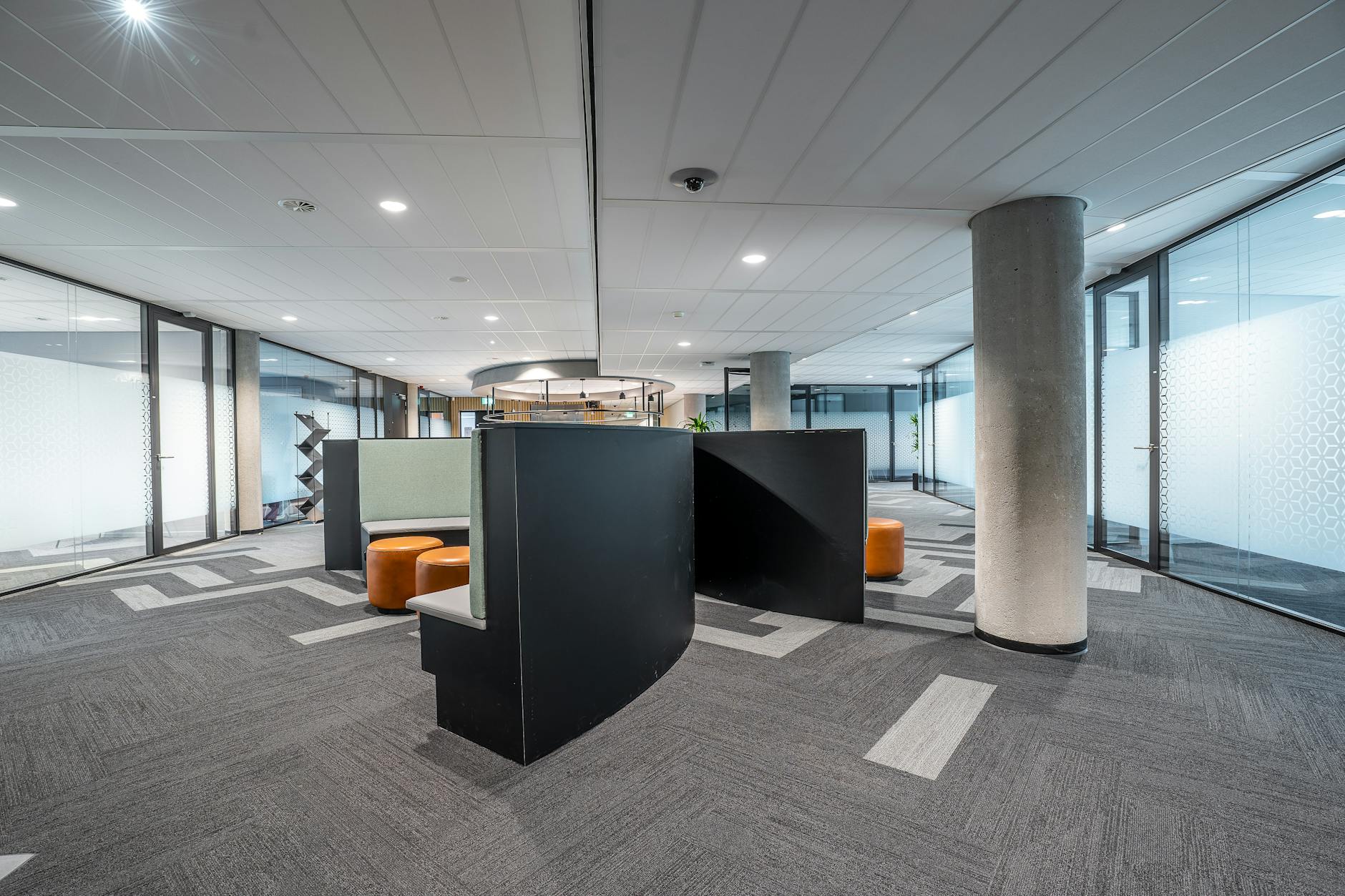
The practice is spreading internationally. Silent co-working spaces are expanding rapidly in London, Tokyo, and Singapore, catering specifically to global executives who need consistent quiet environments across time zones.
Some executives are taking the concept further, creating “silence blocks” in their schedules regardless of location. Tesla’s leadership team reportedly observes two-hour silent periods during quarterly planning sessions, with all participants working individually before collaborative discussions.
The trend represents a fundamental reconsideration of how executive work gets done. Rather than viewing leadership as inherently collaborative, these executives are discovering that their best strategic thinking happens in solitude.
As businesses face increasing complexity and shorter decision cycles, the ability to think deeply without distraction becomes a competitive advantage. Silent co-working spaces provide that advantage in a structured, professional environment.
The future of executive work may not be about bigger offices or more meetings – it might be about the radical luxury of uninterrupted thought. For leaders discovering the power of silence, traditional offices are starting to feel like productivity prisons rather than symbols of success.
Frequently Asked Questions
What are silent co-working spaces for executives?
Members-only workspaces that prohibit phone calls, meetings, and conversations, designed specifically for deep focus and strategic thinking.
How much do executive silent co-working spaces cost?
Premium memberships typically range from $400-800 monthly, offering guaranteed silence and high-end amenities designed for senior leaders.