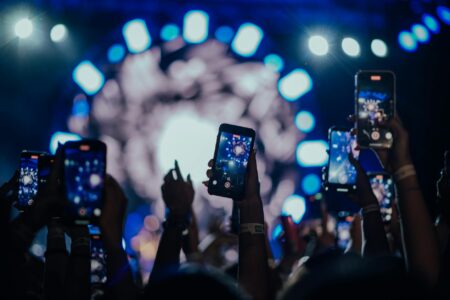



Broadway theaters are racing to embrace extended reality technology, transforming how audiences experience live performances through immersive digital elements that blur the line between stage and screen.
The push comes as theaters face mounting pressure to attract younger demographics while competing with streaming services and interactive entertainment. Productions like “The Lion King” and “Frozen” have already begun experimenting with augmented reality components that allow audience members to interact with show elements through mobile apps and AR glasses.
Extended reality encompasses virtual reality, augmented reality, and mixed reality technologies that create immersive experiences beyond traditional theater viewing. For Broadway, this means adding digital layers to live performances without compromising the authentic theater experience that defines the medium.

Digital Integration Without Losing Theater Magic
Broadway producers are carefully balancing technological innovation with theatrical tradition. Rather than replacing live performances, extended reality serves as an enhancement tool that deepens audience engagement.
Recent productions have incorporated AR elements during intermissions, allowing theatergoers to explore character backstories through their smartphones. The musical “Hadestown” reportedly tested AR features that let audiences view underworld scenes from Orpheus’s perspective during key musical numbers.
Disney’s theatrical division has led much of this innovation, building on their theme park expertise with immersive experiences. Their Broadway productions now feature companion apps that unlock additional content when audiences point their devices at specific stage elements during designated moments.
The technology integration focuses on pre-show and intermission experiences rather than disrupting the main performance. Audiences can access exclusive interviews with cast members, behind-the-scenes content, and interactive elements that connect to the show’s themes.
Attracting Gen Z and Millennial Theatergoers
Theater districts nationwide report declining attendance among younger demographics, with many choosing streaming content over live entertainment. Extended reality experiences address this challenge by meeting audiences where they are technologically.
The success of immersive experiences like “Sleep No More” and interactive theater productions has demonstrated audience appetite for participatory entertainment. Broadway producers are adapting these lessons to traditional theater formats.
Social media integration plays a crucial role in the extended reality strategy. Shows now create shareable AR moments that audiences can capture and post, effectively turning theatergoers into marketing ambassadors. These digital experiences extend the show’s reach beyond the theater walls.
Productions targeting younger audiences have seen increased engagement through AR scavenger hunts in theater lobbies, interactive character meet-and-greets using mixed reality technology, and backstage virtual tours accessible through mobile devices.

Technical Challenges and Creative Solutions
Implementing extended reality in historic Broadway theaters presents unique technical challenges. Many venues built in the early 1900s lack the infrastructure to support advanced digital systems, requiring creative workarounds and significant investment.
Lighting designers must now account for AR elements that appear only to audience members viewing through devices. This requires coordination between traditional stage lighting and digital projection systems to ensure seamless integration.
Sound engineering has become more complex as productions incorporate spatial audio for AR experiences. Audiences wearing AR-enabled devices receive different audio layers than those experiencing the show traditionally, creating multiple simultaneous sound experiences within the same theater space.
The cost of implementing these technologies remains significant, with productions investing hundreds of thousands in AR development and compatible hardware. However, early adopters report increased merchandise sales and audience retention that help offset initial expenses.
Training theater staff to support extended reality experiences has become essential. Ushers now guide audiences through AR setup processes, while technical crews monitor both live performance elements and digital systems simultaneously.
Industry Response and Future Developments
The Broadway League has embraced extended reality as a tool for theater evolution rather than revolution. Industry leaders emphasize that technology should enhance rather than replace the human elements that define live theater.
Major theater chains are investing in AR-ready infrastructure, installing the wireless networks and projection capabilities necessary to support future extended reality productions. The Shubert Organization and other major theater owners have announced multi-million dollar technology upgrades across their venue portfolios.
Collaboration with technology companies has accelerated development timelines. Apple, Microsoft, and Magic Leap have partnered with theater producers to create Broadway-specific AR applications and hardware solutions.
International theater markets are watching Broadway’s extended reality experiments closely. West End productions in London and major theater districts in Toronto and Sydney are developing their own AR integration strategies based on New York’s early results.

The extended reality trend represents Broadway’s adaptation to changing entertainment consumption habits while preserving the irreplaceable elements of live performance. Early audience response has been overwhelmingly positive, with theatergoers appreciating the optional nature of technological enhancements that don’t interfere with traditional viewing experiences.
As technology costs decrease and audience familiarity with AR increases, extended reality features will likely become standard offerings across Broadway productions. The success of current pilots suggests that theaters embracing these innovations will be better positioned to attract and retain audiences in an increasingly competitive entertainment landscape.
Frequently Asked Questions
Do Broadway shows require special devices for extended reality experiences?
Most shows use smartphone apps for AR features, though some provide AR glasses for enhanced experiences during specific productions.
Does extended reality technology disrupt the live theater experience?
No, extended reality features are designed as optional enhancements that don’t interfere with traditional theater viewing.