



Silicon Valley’s elite are trading penthouses for underground palaces. What started as doomsday preparation has evolved into a luxury lifestyle choice, with tech moguls and business leaders constructing elaborate subterranean homes worth tens of millions of dollars.
The underground residence trend gained momentum after high-profile security concerns and global uncertainties pushed wealthy individuals to seek alternatives to traditional luxury living. Unlike basic survival bunkers, these modern underground estates feature wine cellars, home theaters, swimming pools, and sophisticated ventilation systems that rival above-ground mansions.
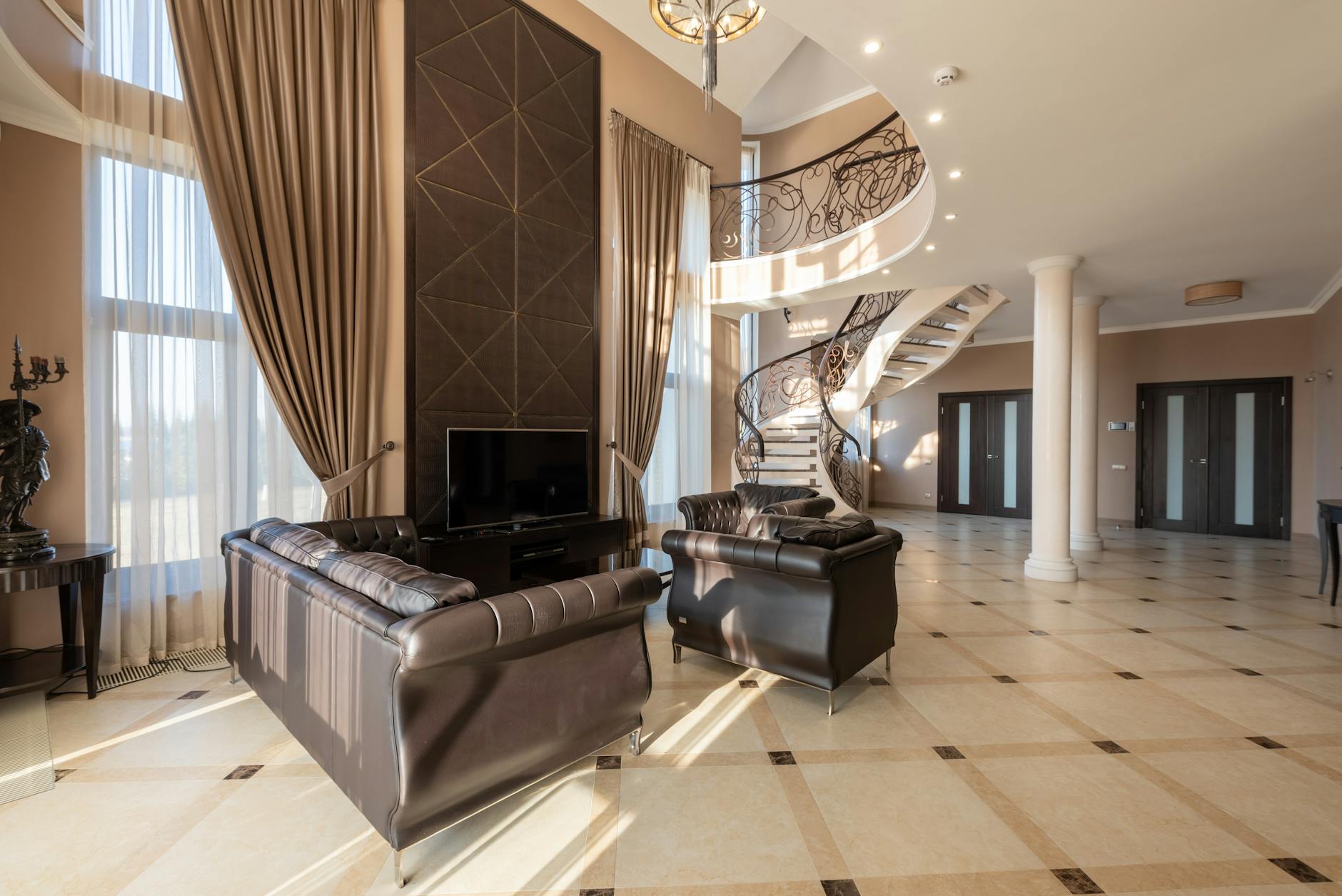
From Survival Shelters to Luxury Havens
The transformation from utilitarian bunkers to luxury residences reflects changing attitudes among the ultra-wealthy. Companies like Vivos and Atlas Survival Shelters report a surge in requests for high-end underground accommodations that prioritize comfort alongside security.
These underground homes incorporate cutting-edge technology including air filtration systems, hydroponics gardens, and renewable energy sources. Some feature multiple levels extending 20 feet or more below ground, with reinforced concrete walls and blast-resistant doors that would make military installations envious.
The amenities rival any luxury hotel: marble bathrooms, commercial-grade kitchens, climate-controlled storage for wine collections, and entertainment spaces with state-of-the-art sound systems. Some properties include indoor shooting ranges, gyms, and even small medical facilities staffed by on-call physicians.
Privacy and Security Drive Demand
Beyond doomsday scenarios, many billionaires cite privacy as their primary motivation. Underground living eliminates paparazzi concerns, unwanted surveillance, and the constant security challenges that come with highly visible wealth.
Tech entrepreneurs particularly value the digital privacy benefits. Underground structures can be designed as Faraday cages, blocking electromagnetic signals and creating secure spaces for sensitive business discussions. This appeal extends to cryptocurrency investors and those handling confidential financial information.
The psychological aspects also play a role. Some residents report feeling more relaxed and focused in their underground spaces, away from the visual noise and distractions of surface-level urban environments. The controlled lighting and climate create consistent, calming atmospheres that many find conducive to deep work and meditation.
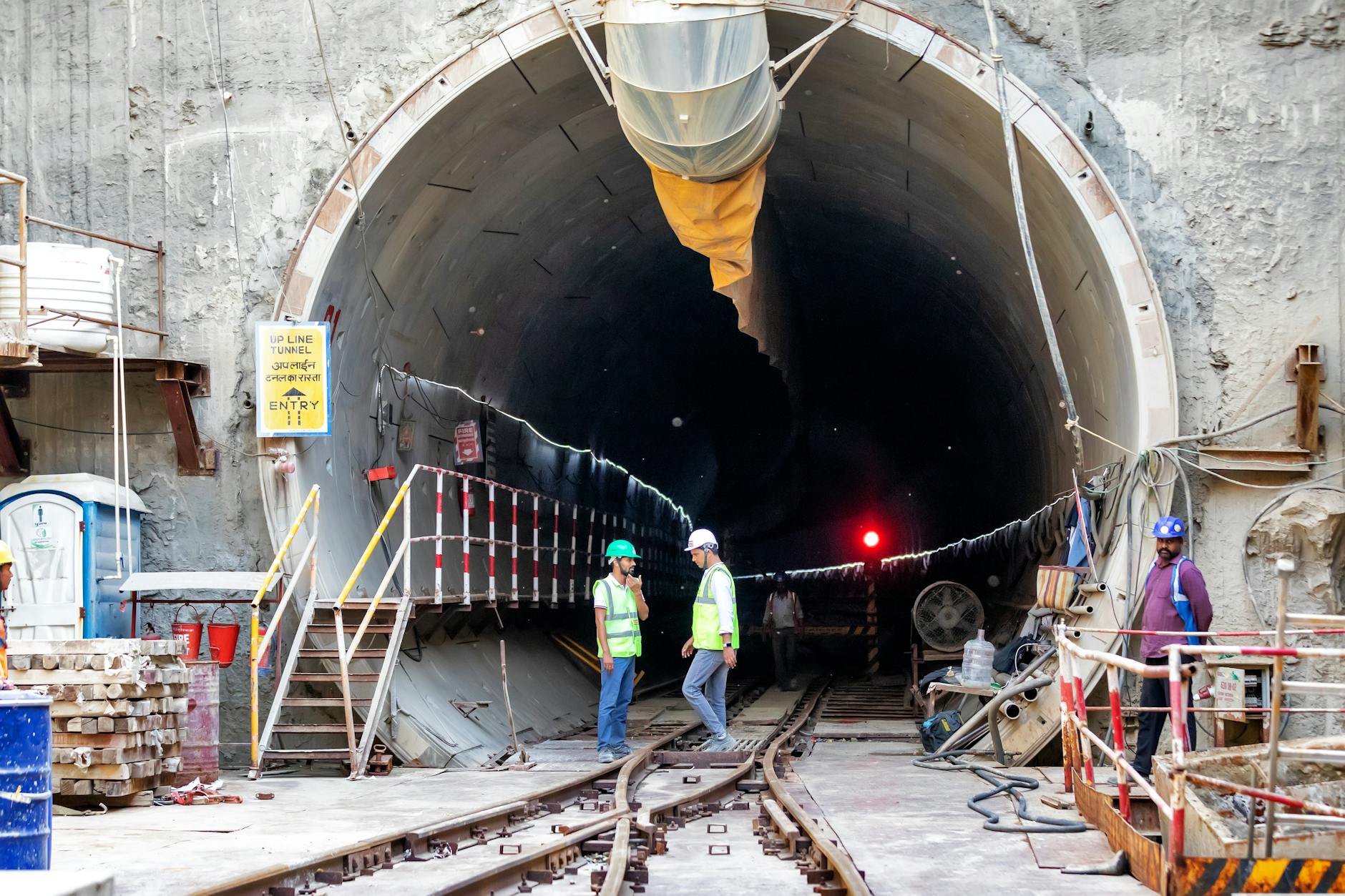
Engineering Marvels Below Ground
Modern underground construction faces unique engineering challenges that drive costs into eight-figure territory. Waterproofing systems must protect against groundwater infiltration while maintaining structural integrity over decades. Advanced drainage systems and sump pumps work continuously to manage moisture levels.
Ventilation represents perhaps the most complex aspect. These homes require multiple independent air systems with redundant backups. Fresh air intake must be carefully filtered and temperature-controlled, while waste air extraction prevents carbon dioxide buildup and maintains optimal oxygen levels.
Power systems typically combine multiple sources: grid connection, backup generators, solar installations, and battery storage systems. Some properties incorporate geothermal heating and cooling, taking advantage of stable underground temperatures to reduce energy consumption.
Internet connectivity requires specialized installation of fiber optic cables and wireless boosters to maintain high-speed connections underground. Some residents install multiple internet service providers to ensure redundancy for their business operations.
The Underground Real Estate Market
Property developers are responding to demand with increasingly sophisticated underground projects. Some luxury developments now include underground levels as standard amenities, while specialized firms focus exclusively on subterranean construction.
Location remains crucial even underground. Properties in areas with stable geology, low water tables, and proximity to major cities command premium prices. California, Texas, and parts of the Northeast see the most activity, though international projects are expanding in Switzerland, New Zealand, and other politically stable regions.

The resale market for these properties remains limited but active. Buyers typically require extensive due diligence to verify structural integrity, systems functionality, and maintenance requirements. Insurance presents unique challenges, with specialized policies covering everything from structural collapse to system failures.
Some owners treat their underground residences as primary homes, spending months at a time below ground. Others use them as retreats for intensive work periods or family gatherings away from public attention. The flexible nature of underground spaces allows for easy reconfiguration as needs change.
Looking ahead, underground living may represent more than just a luxury trend. As urban land becomes scarcer and climate concerns grow, subterranean construction could become increasingly mainstream. The innovations pioneered by today’s billionaire bunker builders may eventually influence how entire communities approach residential development, bringing underground living from the realm of the ultra-wealthy to broader markets seeking security, privacy, and environmental sustainability.
Frequently Asked Questions
How much do luxury underground bunkers cost?
High-end underground residences typically cost tens of millions of dollars due to complex engineering and luxury amenities.
What amenities do billionaire bunkers include?
Modern underground homes feature pools, theaters, wine cellars, gyms, and sophisticated air filtration and security systems.