



The Red Carpet Revolution No One Saw Coming
Zendaya’s custom Valentino moment at the 2024 Met Gala made headlines, but the real story unfolded weeks later at Cannes. While photographers snapped away, she wore a creation by Rahul Mishra, an Indian designer many fashion insiders had never heard of. The dress sparked more conversation than her blockbuster films.
This wasn’t an isolated incident. Across award shows, premieres, and galas, A-list celebrities are increasingly turning away from the obvious choices-Versace, Dior, Armani-in favor of emerging designers whose names don’t roll off tongues yet. The shift represents more than fashion rebellion; it signals a fundamental change in how stars build their brands.
The traditional red carpet formula relied on established luxury houses with decades of celebrity dressing experience. Today’s stars are writing new rules, choosing designers based on artistry, personal connection, and the desire to tell stories that extend beyond glamour.
Breaking the Designer Hierarchy
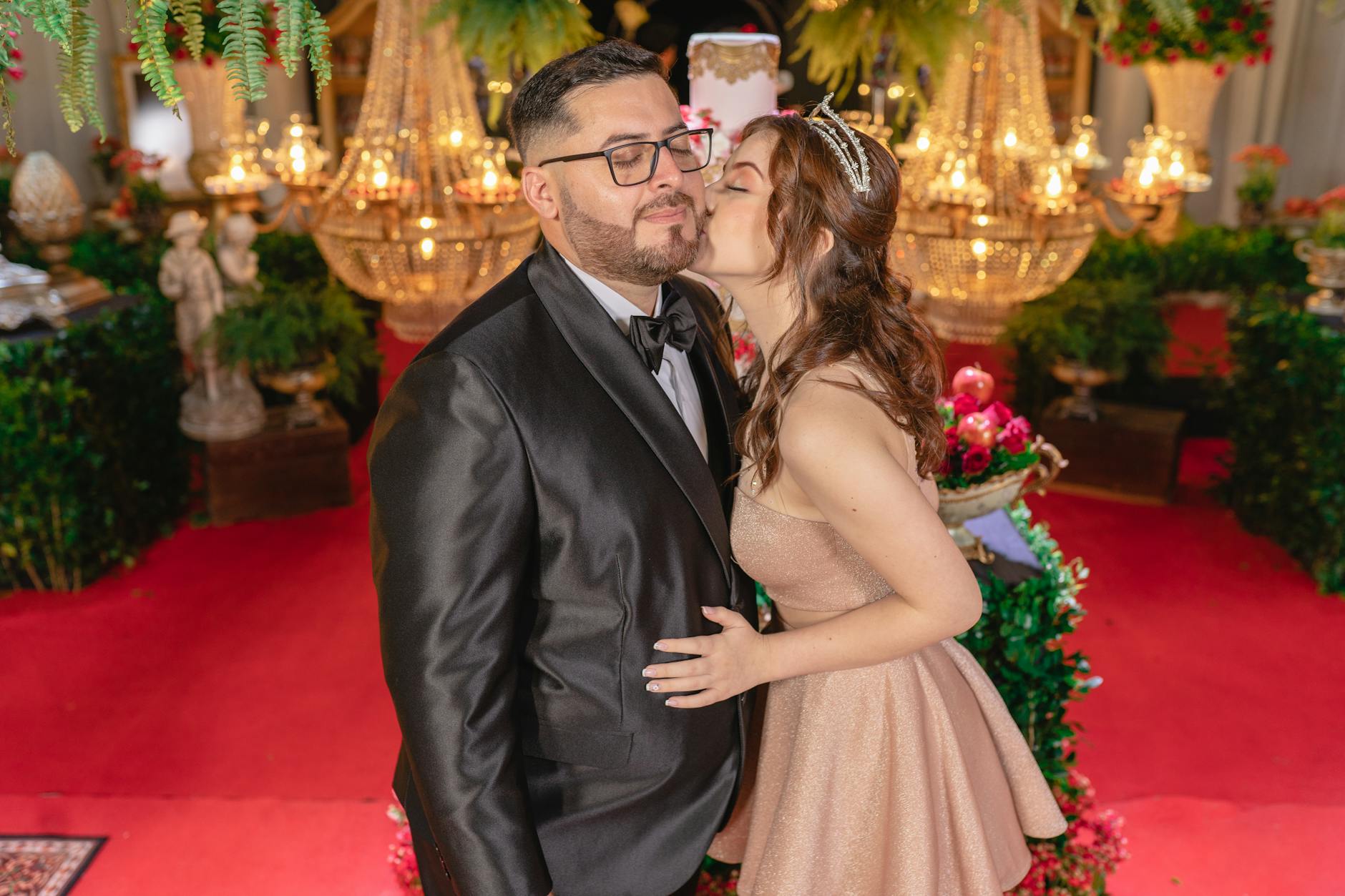
Fashion’s old guard built empires on exclusivity and celebrity endorsements. When stars wore Chanel or Saint Laurent, they joined a legacy spanning decades. But younger celebrities, particularly those who built careers through social media and streaming platforms, approach fashion differently.
Timothee Chalamet’s collaboration with Haider Ackermann exemplifies this shift. Rather than defaulting to major fashion houses, Chalamet sought out the Colombian-French designer known for tailoring expertise but limited celebrity clientele. Their partnership produced memorable looks that felt authentic rather than transactional.
Industry insiders note that unknown designers offer something established houses cannot: complete creative freedom. Major fashion brands come with aesthetic expectations and commercial pressures. Emerging designers, hungry for exposure, pour everything into singular pieces that reflect both their vision and the celebrity’s personality.
This creative collaboration extends beyond one-off events. Stars like Anya Taylor-Joy have developed ongoing relationships with lesser-known designers, helping build their careers while establishing unique style signatures. The approach requires more effort than calling established ateliers, but yields more distinctive results.
The Economics of Discovery
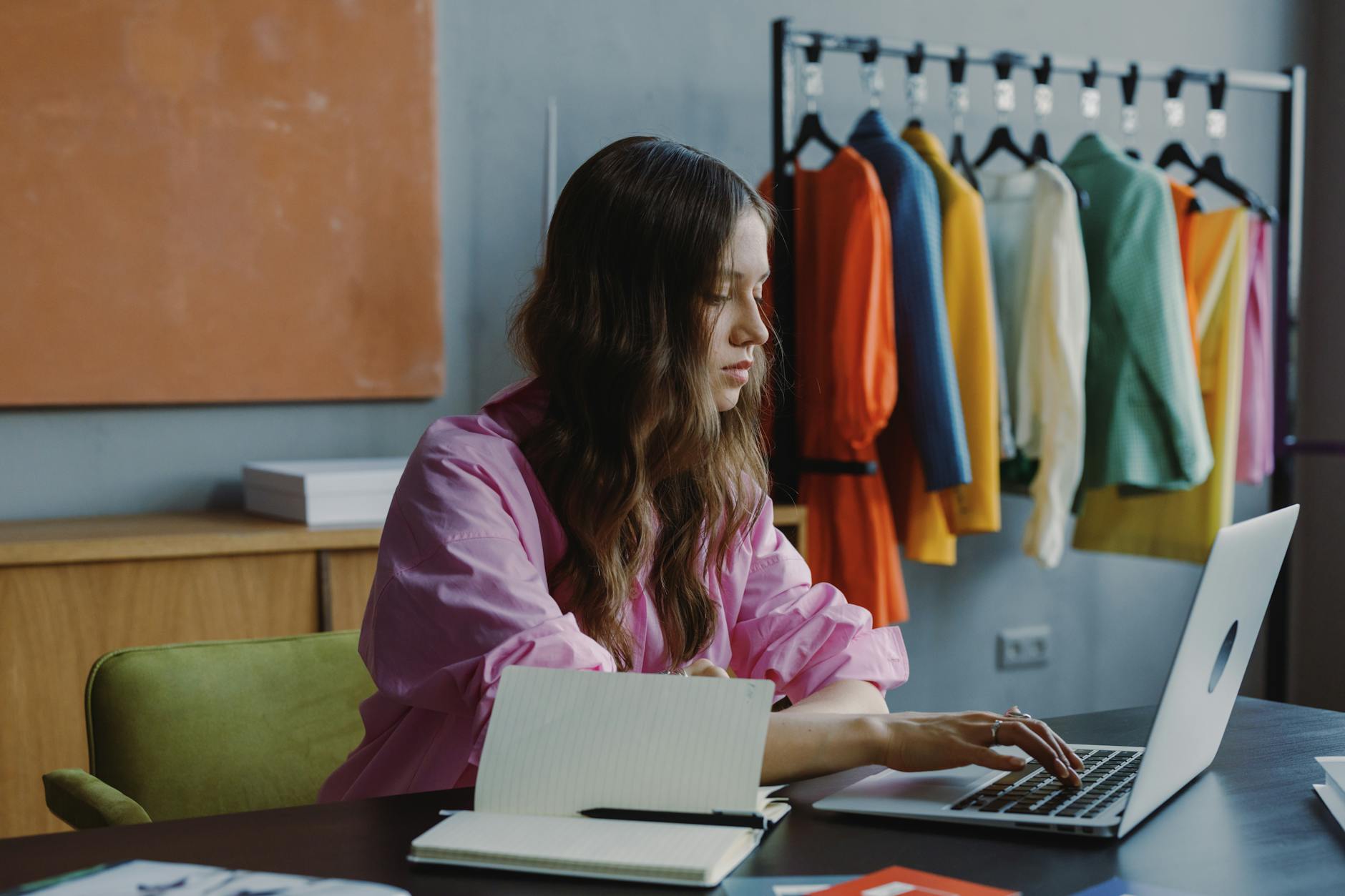
Financial considerations play a surprising role in these partnerships. While major fashion houses charge premium prices even for celebrity loans, emerging designers often provide pieces at cost or through barter arrangements involving publicity and social media promotion.
For designers, dressing celebrities represents career transformation. A single red carpet moment can generate millions in media coverage and direct consumer interest. Christopher John Rogers experienced this firsthand when Lizzo wore his designs, transforming his small New York operation into a globally recognized brand practically overnight.
The relationship benefits celebrities financially too. Custom pieces from emerging designers cost significantly less than established luxury brands, allowing stars to maintain fashion-forward images without astronomical styling budgets. Some negotiate ownership deals, keeping pieces that may increase in value as designers gain prominence.
Streaming wealth has created new categories of celebrities with different spending patterns than traditional Hollywood stars. Netflix actors, reality TV personalities, and social media influencers often lack the massive fashion budgets of established movie stars, making emerging designers attractive alternatives.
Cultural Impact and Representation
Many celebrities use fashion choices to highlight underrepresented communities in high fashion. When stars choose designers from diverse backgrounds, they amplify voices historically excluded from luxury fashion’s highest levels.
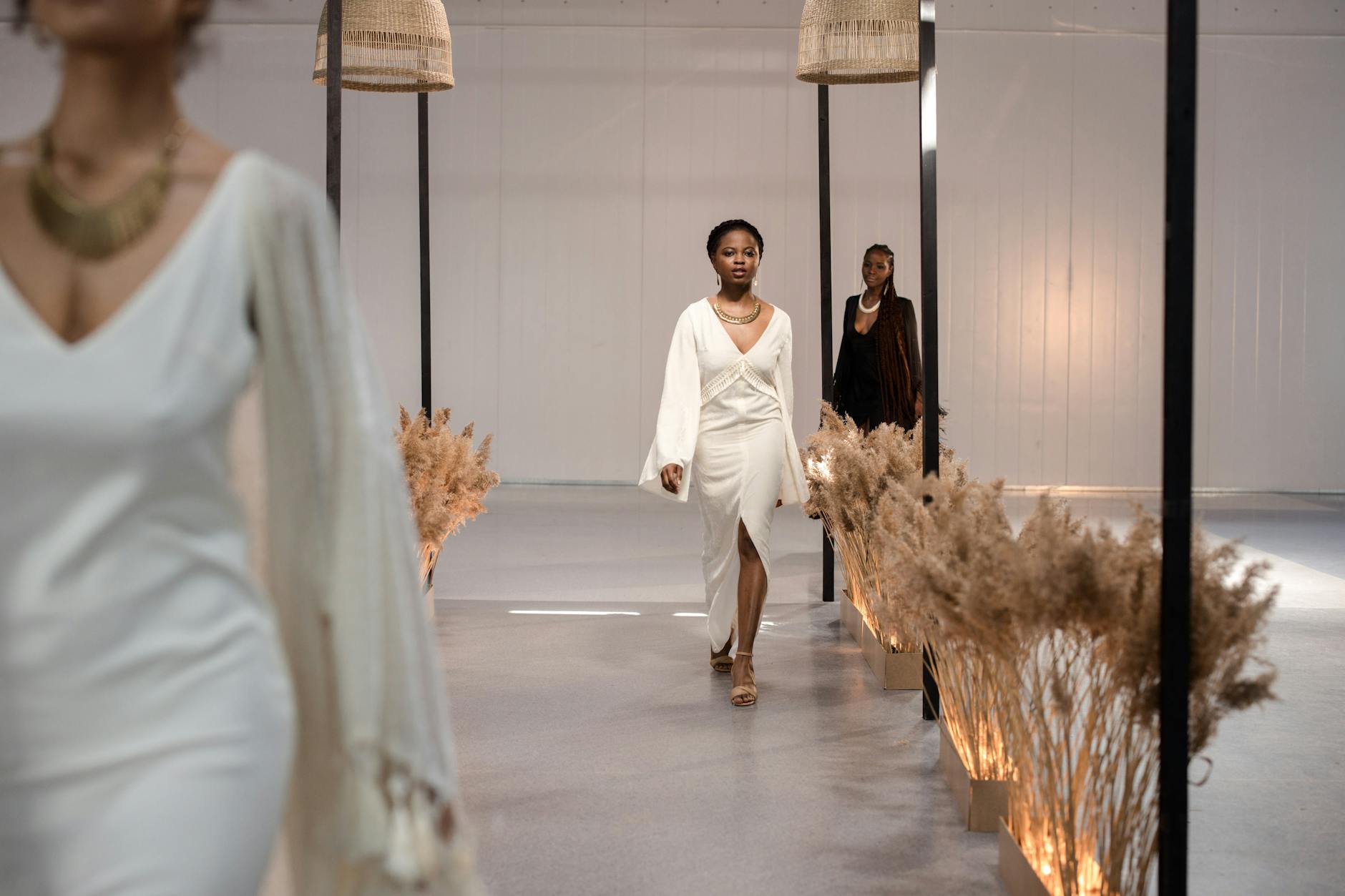
Lupita Nyong’o’s consistent support of African designers illustrates this approach. Her red carpet choices featuring designers like Wanda Lephoto and Rich Mnisi spotlight African fashion talent while creating stunning visual moments. The strategy aligns with broader conversations about representation in entertainment and fashion.
Asian-American celebrities have similarly embraced designers from their communities. Gemma Chan’s support of British-Asian designers and Sandra Oh’s collaborations with Korean fashion talent demonstrate how celebrity fashion choices can address systemic underrepresentation in luxury fashion.
These partnerships often result in designs that incorporate cultural elements rarely seen on major red carpets. Traditional techniques, fabrics, and silhouettes enter mainstream fashion consciousness through celebrity endorsement, creating cultural exchange opportunities that benefit both designers and audiences.
The approach also allows celebrities to tell more complex stories about their identities and values. Fashion becomes a form of activism, supporting causes and communities through high-visibility platform usage.
The Future of Celebrity Styling
Fashion weeks increasingly feature runway shows by designers who dressed celebrities months earlier at major events. The reverse influence pattern-where red carpet moments drive fashion week attention rather than the opposite-represents a fundamental industry shift.
Social media amplifies this trend exponentially. When celebrities share behind-the-scenes content featuring unknown designers, they provide followers direct access to fashion discovery. Instagram posts showing fitting sessions, design processes, and designer meet-and-greets humanize luxury fashion in unprecedented ways.
Celebrity stylists report clients requesting “discovery” approaches to major events. Rather than defaulting to established relationships with major houses, stars want their teams to research emerging talent and propose unexpected collaborations.
The trend shows no signs of slowing. As streaming platforms create new categories of celebrities and social media continues democratizing fashion exposure, the relationship between stars and designers will likely become more collaborative and diverse. Traditional fashion houses maintain their prestige, but the red carpet landscape now includes voices that were previously unheard.
This evolution benefits everyone involved: celebrities achieve distinctive style signatures, emerging designers gain career-changing exposure, and audiences discover new aesthetic possibilities. The democratization of celebrity fashion represents broader cultural shifts toward authenticity, diversity, and creative risk-taking that will likely define the next decade of entertainment and style.
Frequently Asked Questions
Why are celebrities choosing unknown designers?
They seek creative freedom, authentic collaboration, and the opportunity to support underrepresented talent while creating unique style signatures.
How do emerging designers benefit from celebrity partnerships?
A single red carpet moment can generate millions in media coverage and transform small operations into globally recognized brands practically overnight.