



Hollywood’s biggest names are trading their agents for artist and repertoire executives. From Justin Timberlake’s Tennman Records to Rihanna’s ventures in music ownership, A-list celebrities are launching independent record labels at an unprecedented rate. What started as a few high-profile experiments has evolved into a full-scale industry shift that’s reshaping how music gets made, marketed, and monetized.
The traditional model of celebrity endorsements and guest appearances is giving way to something far more ambitious: stars building their own music empires from the ground up. These aren’t vanity projects or side hustles. They’re strategic business moves that leverage existing fame to create lasting industry influence and substantial revenue streams.
Creative Control Meets Business Acumen
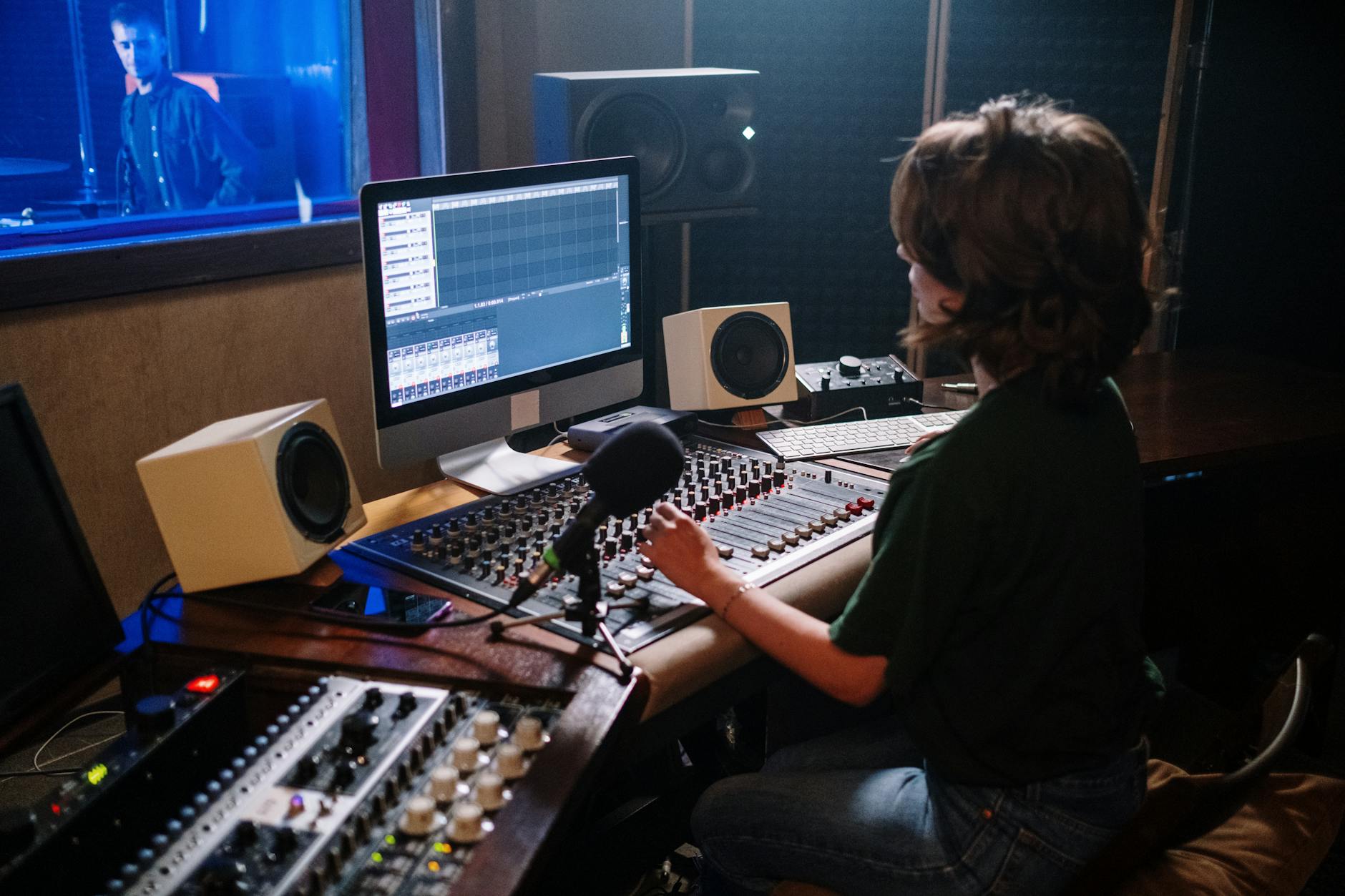
The driving force behind this trend goes beyond simple profit motives. Today’s celebrities understand that owning the means of production offers creative freedom that traditional label partnerships can’t match. When Chance the Rapper famously turned down multiple major label offers to remain independent, he demonstrated that artists could build successful careers without surrendering creative control.
This lesson hasn’t been lost on established stars. Lady Gaga’s ventures into artist development showcase how performers can use their industry knowledge to guide emerging talent. Her approach focuses on artistic integrity while building commercially viable acts, a balance that traditional labels often struggle to achieve.
The financial incentives are equally compelling. Record labels typically retain ownership of master recordings, leaving artists with royalty percentages that can seem generous but pale in comparison to ownership stakes. By launching their own labels, celebrities can capture both the artist and label portions of revenue streams, dramatically increasing their long-term earning potential.
Technology has made this transition more feasible than ever before. Digital distribution platforms, social media marketing, and direct-to-fan sales channels have lowered the barriers to entry that once made independent labels nearly impossible to sustain. Stars can now reach global audiences without the massive infrastructure investments that record labels traditionally provided.
Beyond Music: Building Entertainment Ecosystems
The most successful celebrity-owned labels aren’t just signing artists-they’re creating comprehensive entertainment ecosystems. Drake’s OVO Sound operates as a lifestyle brand that encompasses music, fashion, and events. This integrated approach allows the label to cross-promote across multiple revenue streams while building stronger fan loyalty.
Similar strategies are emerging across the industry. When celebrities launch record labels, they often simultaneously develop merchandise lines, tour production companies, and digital content platforms. This diversification provides stability that single-revenue-source businesses can’t match, especially in an industry known for its volatility.
The trend extends beyond music into other creative industries as well. Emma Stone’s approach to independent film financing demonstrates how stars are applying similar ownership principles across entertainment sectors, using their influence to back projects they believe in rather than simply starring in them.
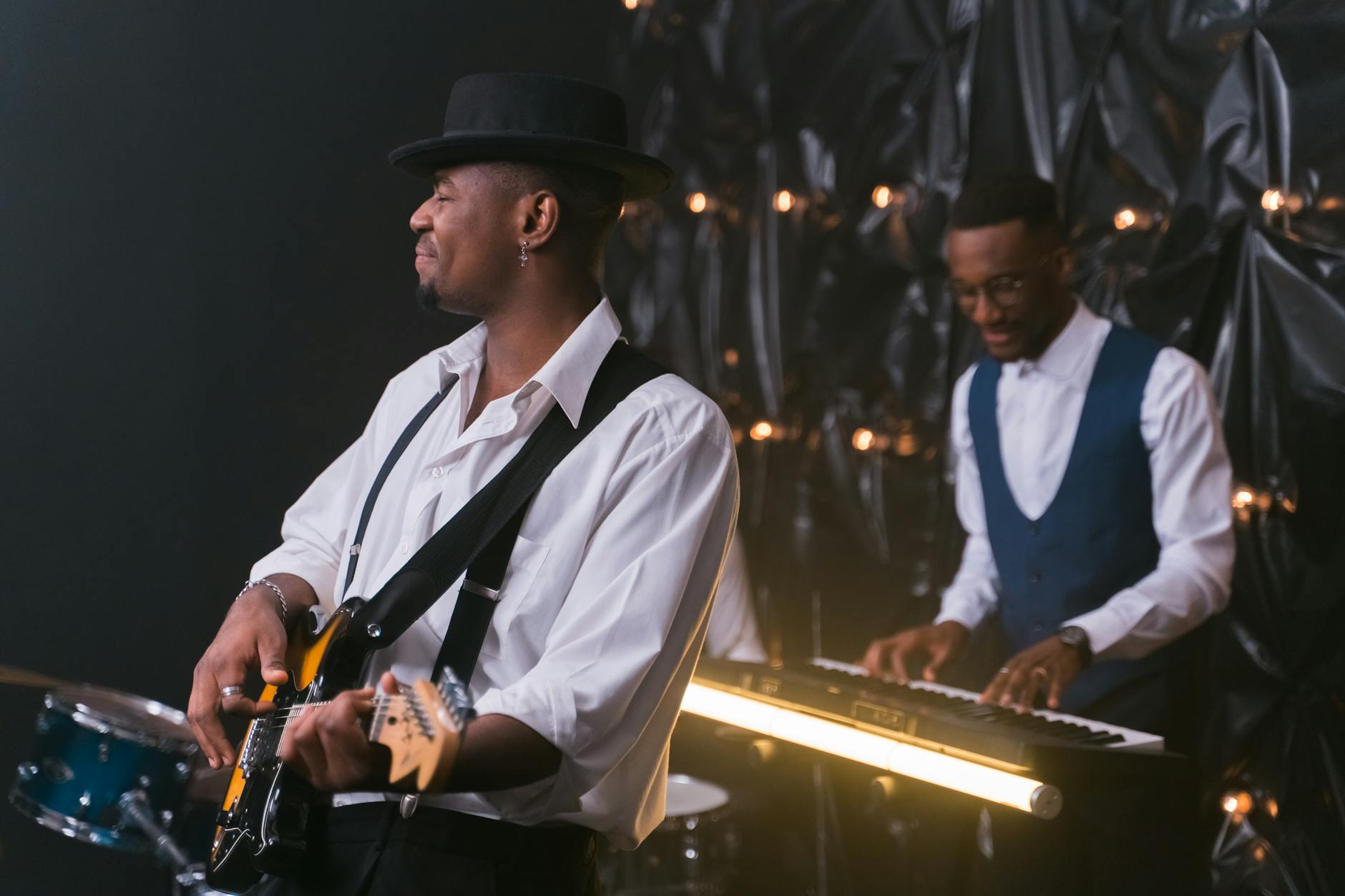
These multi-faceted ventures also create opportunities for strategic partnerships that wouldn’t exist in traditional label structures. Celebrity-owned labels can collaborate with fashion brands, tech companies, and streaming platforms in ways that benefit all parties while maintaining creative control over the final product.
The New Artist Development Model
Perhaps the most significant impact of celebrity-owned labels lies in their approach to artist development. Traditional labels often pressure new artists to conform to proven formulas, but celebrity-owned imprints can afford to take creative risks. Their founders’ established success provides financial cushion and industry credibility that emerging labels typically lack.
This freedom translates into more diverse artist rosters and experimental sounds. When Jay-Z’s Roc Nation signs new talent, the artists benefit not just from the label’s resources but from the founder’s decades of industry experience and strategic thinking. The mentorship aspect of these relationships often proves more valuable than traditional promotional budgets.
The personal investment that celebrity founders make in their artists also creates stronger working relationships. Unlike corporate executives who may view artists primarily as revenue generators, celebrity label owners often see talent development as an extension of their own artistic legacy. This perspective leads to longer-term thinking and more sustainable career development for signed artists.
Social media amplifies these advantages exponentially. When a celebrity founder promotes their label’s artists on their personal platforms, they’re sharing established fan bases that took years to build. A single Instagram post or TikTok mention can provide exposure that traditional marketing campaigns struggle to match.
Industry Disruption and Future Implications
The rise of celebrity-owned record labels is forcing traditional music companies to reconsider their business models. Major labels are increasingly offering partnership deals that allow artists to retain more control and ownership, recognizing that the all-or-nothing contracts of previous decades no longer appeal to savvy performers.
Streaming platforms are also adapting to this shift. Exclusive content deals with celebrity-owned labels can provide differentiation in an increasingly crowded market. When these partnerships work well, they benefit artists, labels, platforms, and consumers simultaneously.
The trend is creating new career paths within the industry as well. Artist development, creative direction, and strategic partnerships are becoming specialized roles that didn’t exist in traditional label structures. Young professionals are increasingly choosing to work with independent, celebrity-owned labels rather than pursuing positions at major corporations.

Geographic barriers are also dissolving as celebrity-owned labels leverage global fan bases to break international markets. An artist signed to a well-connected celebrity label can potentially reach audiences across multiple countries without the complex distribution networks that traditional labels spent decades building.
Looking ahead, the most successful celebrity-owned labels will likely be those that continue evolving beyond music into full-scale media companies. As entertainment consumption patterns shift toward integrated digital experiences, labels that can provide music, visual content, live experiences, and consumer products under unified creative visions will have significant advantages over single-format competitors.
The transformation of celebrities from industry participants to industry owners represents more than a business trend-it’s a fundamental shift in how creative content gets produced and distributed. As more stars recognize the long-term value of ownership over participation, the traditional power structures of the entertainment industry will continue to evolve, potentially creating more opportunities for artistic innovation and entrepreneurial success.
Frequently Asked Questions
Why are celebrities starting their own record labels?
Celebrities launch labels to maintain creative control, capture both artist and label revenue streams, and build lasting industry influence beyond traditional contracts.
How do celebrity-owned labels differ from traditional record companies?
Celebrity labels often offer more creative freedom, personal mentorship, and integrated marketing across the founder’s existing platforms and fan base.