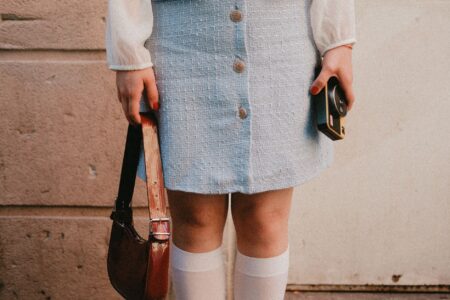



The tailored suit has long been fashion’s shorthand for authority – a crisp silhouette that signals you mean business before you’ve said a word. But something has been shifting on runways, in boardrooms, and across the street-style circuit over the past few seasons: the unstructured blazer is showing up everywhere the structured suit used to dominate, and it’s doing so without making any noise about it.
This isn’t about casualization in the broad sense. It’s a more specific edit – a rejection of the padded shoulder, the fitted waist, the stiff canvassed chest – in favor of a jacket that moves with the body rather than imposing a shape onto it. The result reads as effortless without being sloppy, polished without being formal. That precise middle ground is exactly where fashion wants to live right now.
What Makes a Blazer “Unstructured”
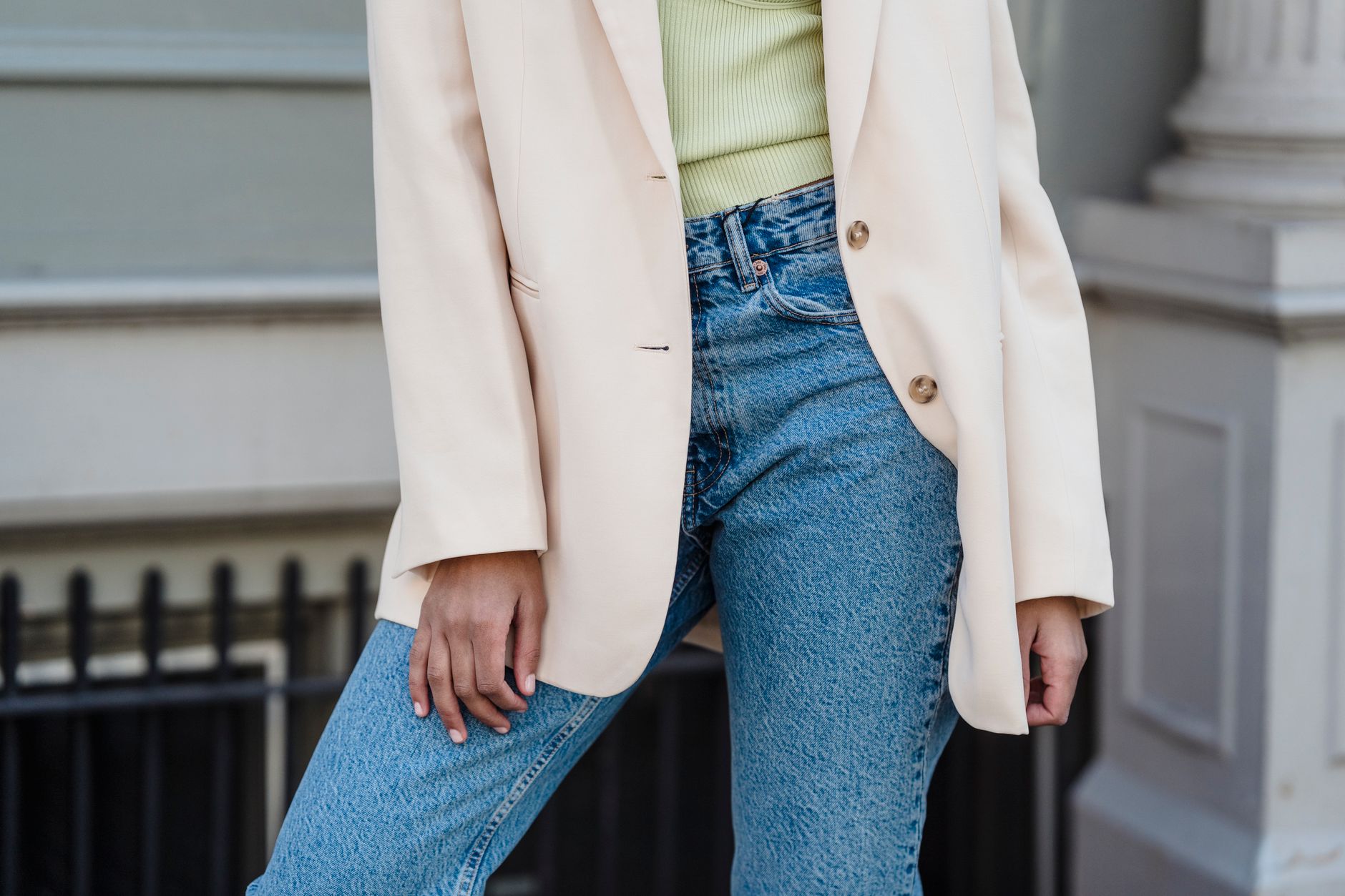
The distinction matters more than it might appear. An unstructured blazer strips out the internal engineering that gives a traditional suit jacket its silhouette – no chest canvas, minimal or no shoulder padding, softer interfacing throughout. What remains is essentially a jacket-shaped shell that drapes rather than sculpts. The lapels lie flat without any coaxing. The shoulders sit where your shoulders actually are, not where a tailor decided they should be.
The fabric choices tend to follow that logic. Linen, cotton, jersey, and loosely woven wools work naturally without structure because they fall cleanly on their own. Heavier, stiffer fabrics like worsted wool or twill are harder to pull off unstructured – they either require scaffolding or they look collapsed. This is why the unstructured blazer tends to read warmer-weather-adjacent even when worn in autumn, and why so many of the stronger iterations this season have arrived in oatmeal, sand, ivory, and soft grey rather than the classic charcoal or navy of traditional tailoring.
The Runway Logic Behind the Shift
Several major houses have been quietly deconstructing their tailoring for a few seasons now, but the current moment feels more decisive. Jackets arrive with single unworked buttonholes, raw-edge hems, or no lining at all – details that would have read as unfinished in previous eras but now read as intentional restraint. The message is that the wearer doesn’t need a jacket to perform authority for them. The confidence is already there.
There’s also a fit logic at play. The unstructured blazer tends to run slightly oversized, which means it works across a much wider range of body types without requiring alteration. A traditional suit jacket is calibrated to fit one person – ideally after two or three fittings. An unstructured blazer worn with a slight drop through the shoulder and a relaxed chest reads clean on almost anyone. This practicality isn’t accidental. Ready-to-wear brands have noticed that a jacket requiring no tailoring sells faster, generates fewer returns, and earns better reviews.
Street style has been making the same argument for longer. The combination of an oversized unstructured blazer, wide-leg trousers, and a simple white tee has been circulating for several seasons now – appearing at fashion weeks from Copenhagen to Milan – and it refuses to go away because it actually works. It’s not a trend built on novelty. It’s built on proportion and ease, which means it has staying power.
What’s notable is how the unstructured blazer functions as a layering piece in a way that a tailored suit jacket rarely does. Throw it over a slip dress and it doesn’t look mismatched – it looks considered. Wear it over a hoodie and the two textures balance rather than compete. A structured suit jacket in either scenario would look like a costume error. The unstructured version absorbs the contrast and makes it look intentional.
How Men’s and Women’s Fashion Are Handling It Differently
The unstructured blazer has moved through menswear for longer – it’s been a staple of Italian leisure dressing for decades – but it’s hitting differently now that it’s crossed fully into womenswear without being feminized. The women’s versions aren’t nipped at the waist or shortened to hit at the hip. They’re cut on the same relaxed, almost masculine proportions as their menswear counterparts, which is precisely the point. The appeal is the silhouette, not a gender-specific interpretation of it.
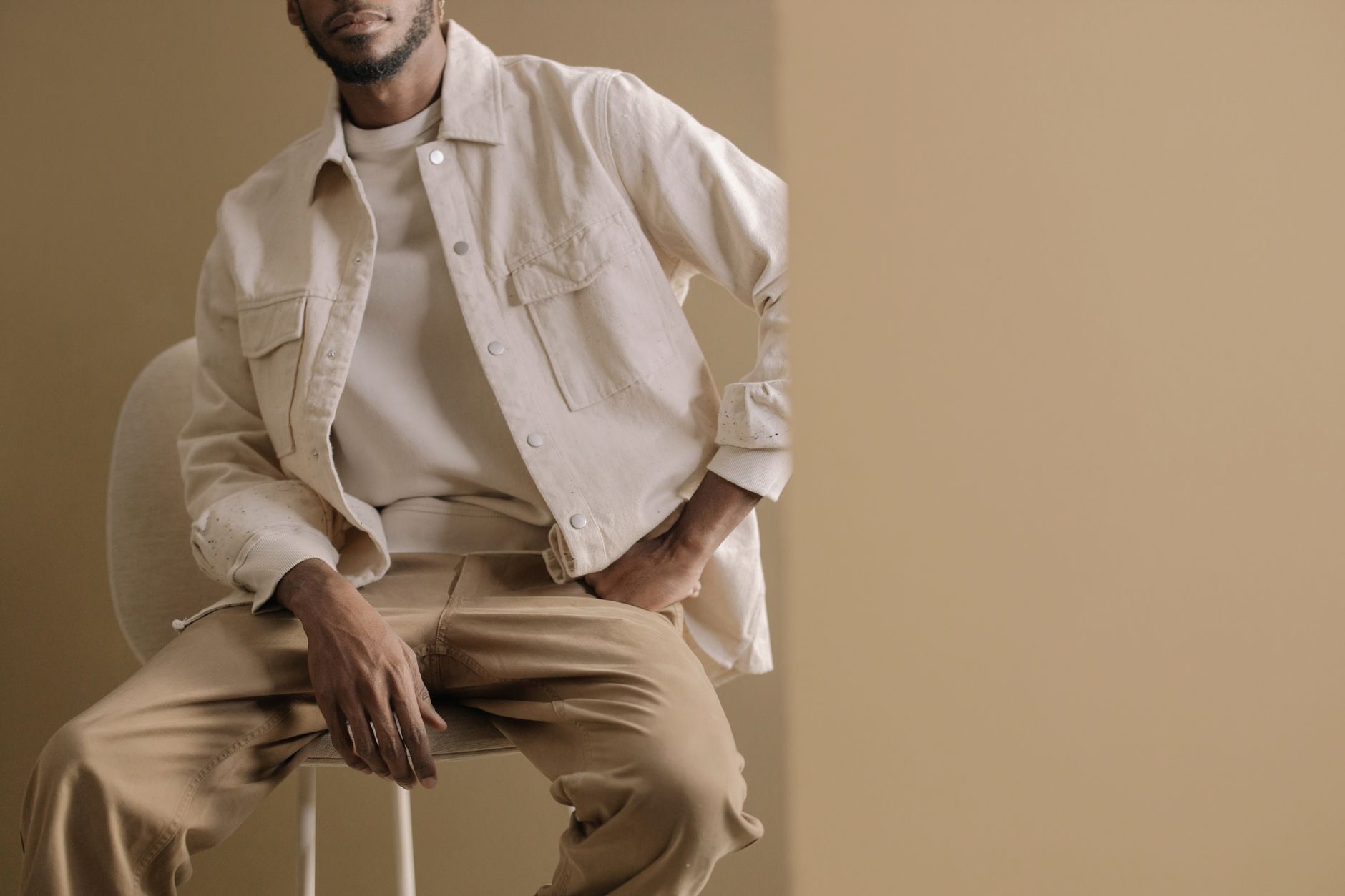
In menswear, the unstructured blazer is pulling double duty – replacing both the suit jacket on semi-formal occasions and the sport coat on casual ones. A man wearing an unstructured cream linen blazer with dark jeans and loafers is dressed for a broader range of situations than someone in a three-piece suit. That flexibility is not nothing in an era when dress codes are increasingly blurred and most people would rather solve the getting-dressed problem once.
Styling It Without Overthinking It
The fastest way to undercut an unstructured blazer is to over-style everything else around it. Because the jacket itself reads relaxed, the rest of the outfit needs to hold its own without becoming busy. Straight-cut or wide-leg trousers in a solid color work reliably. So does a simple knit, a fitted tank, or a classic white shirt left slightly open. The goal is clean contrast – something tailored enough to anchor the looseness of the jacket without fighting it.
Color pairing follows similar logic. Tonal dressing – the blazer in camel over caramel trousers, or a chalk-white jacket over cream – plays into the ease of the silhouette and avoids looking like a mix-and-match experiment. High contrast can work, but it places more visual weight on the outfit as a whole, which can undermine the effortless quality that makes the unstructured blazer appealing to begin with. The jacket works hardest when the rest of the outfit steps back and lets it.
Footwear is where the outfit either commits to its logic or hedges. A sleek loafer, a flat mule, or a simple sneaker all support the relaxed authority the blazer is building. A heavily structured or embellished shoe tends to pull against it. This is why the unstructured blazer has become so closely associated with the kind of understated footwear that prioritizes material quality over visual noise – they’re solving the same problem from opposite ends of the body.
The tailored suit isn’t going anywhere. There are contexts – a courtroom, a formal ceremony, a power meeting with specific stakes – where the structured silhouette still carries weight that an unstructured blazer doesn’t quite replicate. But for the wider range of dressed-up situations most people actually navigate, the unstructured blazer is making the suit look like more effort than the moment requires.
The real pressure isn’t coming from casualwear eating into formal dressing. It’s coming from a jacket that does almost everything the suit does – projects polish, signals intention, elevates whatever it’s worn with – while asking much less of the person wearing it. That’s a harder argument for the traditional suit to win.