


Thrift shopping has evolved from necessity to luxury obsession, with influencers transforming discount chains into fashion goldmines. What once carried stigma now commands Instagram stories and TikTok tutorials, as content creators hunt designer treasures hidden among everyday donations.
The shift represents more than trend-chasing. Rising fashion costs, environmental consciousness, and the thrill of treasure hunting have created a perfect storm. When influencers document finding Chanel jackets at Salvation Army or vintage Levi’s at Goodwill, millions take notice.
Goodwill’s Digital Transformation
Goodwill Industries has become the unlikely darling of fashion influencers, with creators regularly showcasing their finds across social platforms. The nonprofit’s 3,300 stores across North America have witnessed a demographic shift as younger shoppers flood locations previously dominated by bargain hunters and necessity shoppers.
TikTok creator Emma Chamberlain sparked widespread interest when she shared her Goodwill hauls, showing followers how to spot quality pieces among the racks. Her approach – mixing thrifted finds with high-end pieces – demonstrated that secondhand shopping wasn’t about financial constraint but creative styling.
The chain has responded by launching Goodwill.com, an online auction platform where rare and designer items command premium prices. Vintage band tees, once dollar-bin finds, now sell for fifty times their original thrift price after influencer validation. This digital expansion recognizes that thrift culture has evolved beyond physical store browsing.
Regional Goodwill organizations have also embraced social media, with locations in fashion-forward cities like Los Angeles and New York creating Instagram accounts showcasing their best donations. These posts often sell items before they hit store floors, creating artificial scarcity that drives engagement.
The Salvation Army’s Unexpected Comeback
The Salvation Army has experienced a renaissance among fashion influencers despite previous boycotts over social policies. Fashion-focused creators have separated the organization’s retail arm from its charitable mission, focusing purely on the quality of donations and affordable pricing.
Influencer Wisdom Kaye frequently features Salvation Army finds in his outfit posts, particularly vintage pieces from the 1980s and 1990s. His documentation of finding Issey Miyake pleated pieces and Comme des Garcons shirts at Salvation Army locations has inspired treasure hunts among his followers.
The chain’s pricing strategy – often lower than Goodwill – attracts budget-conscious creators building expensive-looking wardrobes. Fashion students and emerging influencers particularly favor Salvation Army for building diverse closets without financial strain.
Regional variations in donations create destination shopping. Salvation Army locations in affluent neighborhoods like Beverly Hills or the Upper East Side regularly receive designer donations, making them pilgrimage sites for fashion influencers visiting these cities.
Savers and Value Village’s Curated Appeal
Savers (known as Value Village in Canada) has cultivated a more curated thrift experience that appeals to influencers seeking higher-quality pieces. The for-profit thrift chain’s pricing reflects this positioning, with items typically costing more than traditional charity shops but still significantly less than retail.
Fashion influencer Alyssa Lenore credits Savers with helping her build a sustainable wardrobe, regularly posting hauls that showcase the chain’s better organization and presentation compared to traditional thrift stores. The cleaner aesthetic and organized displays make content creation easier, leading to more influencer partnerships.
The chain’s color-coded tagging system creates built-in sales cycles that savvy influencers track. Weekly half-price color promotions generate content opportunities as creators race to find the best deals on designated tag colors.
Savers has also invested in store aesthetics, with newer locations featuring better lighting and wider aisles that accommodate content creators filming shopping experiences. This infrastructure investment recognizes that thrift shopping has become performance as much as necessity.
Buffalo Exchange and Crossroads Trading’s Premium Position
Consignment chains Buffalo Exchange and Crossroads Trading occupy the luxury end of secondhand retail, attracting influencers who prioritize brand names and current styles over deep discounts. These stores curate donations, accepting only items that meet quality and trend standards.
The selective buying process means influencers can shop with confidence, knowing items have been pre-vetted for quality and style relevance. This curation justifies higher prices while eliminating the time investment required at traditional thrift stores.
Both chains have embraced social media partnerships, allowing influencers to document their selling process alongside their shopping experience. This dual content opportunity – showing followers how to profit from closet cleanouts while finding new pieces – creates comprehensive lifestyle content.
The chains’ presence in major fashion cities provides convenient shopping for traveling influencers. A Buffalo Exchange haul from New York carries different cachet than finds from smaller markets, adding geographical storytelling to thrift content.
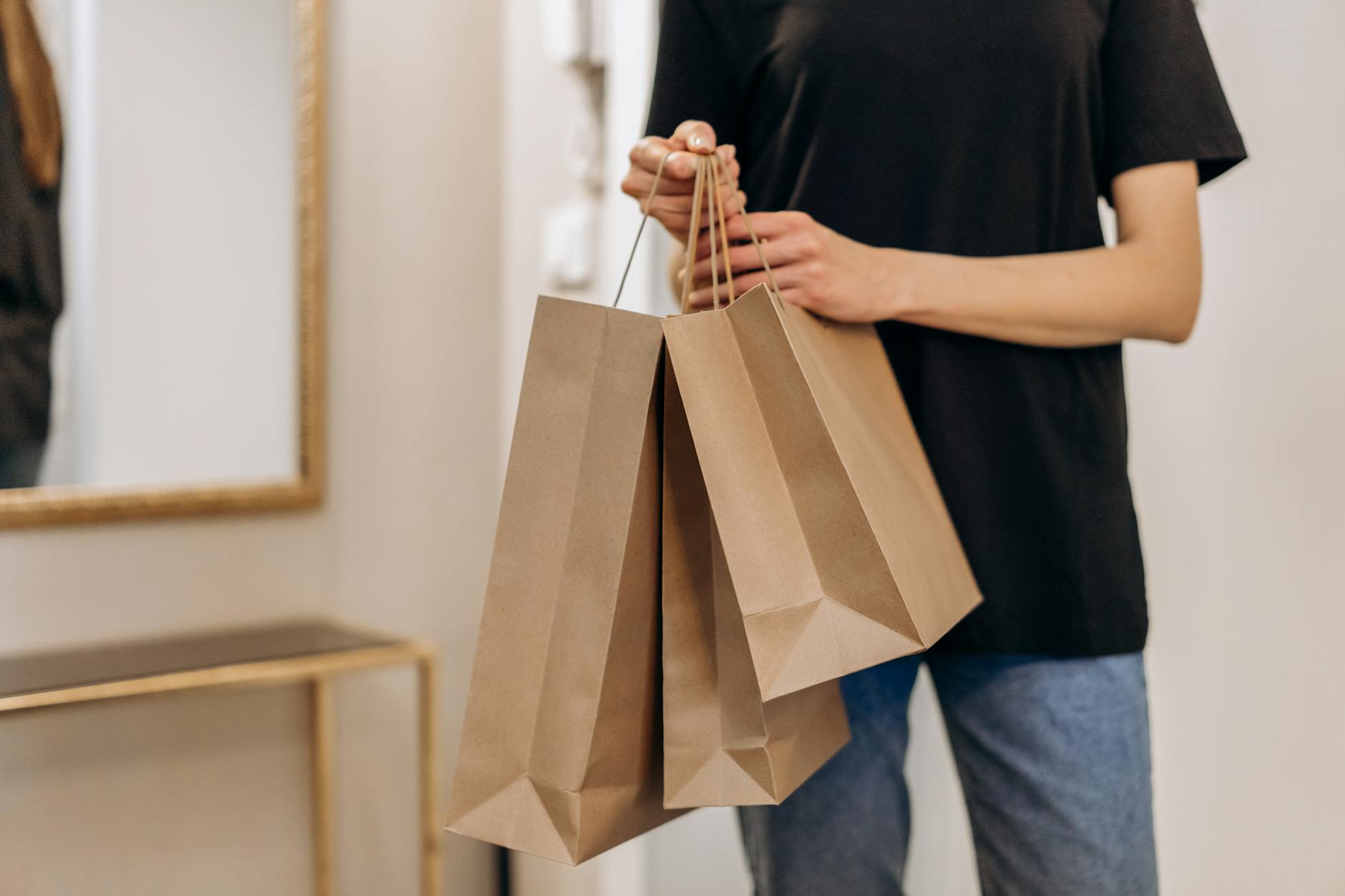
The thrift store transformation reflects broader shifts in fashion consumption and values. Environmental concerns about fast fashion, combined with economic pressures on young consumers, have created conditions where secondhand shopping represents both practical necessity and aspirational lifestyle choice.
Influencers have essentially rebranded thrift shopping as treasure hunting, removing stigma while adding excitement. The unpredictability of inventory creates natural content hooks – the thrill of discovery translates well to social media storytelling.
As thrift chains adapt to this new demographic with improved facilities, online platforms, and social media presence, the line between traditional retail and secondhand shopping continues to blur. This evolution suggests that thrift culture’s influence on mainstream fashion will only deepen, making yesterday’s charity shop chains tomorrow’s fashion destinations.
Frequently Asked Questions
Which thrift store chains are most popular with influencers?
Goodwill, Salvation Army, Savers/Value Village, Buffalo Exchange, and Crossroads Trading are the most frequently featured chains on social media.
Why are influencers shopping at thrift stores?
Influencers thrift for sustainable fashion, affordable designer finds, unique pieces, and engaging content creation opportunities.