


Red carpets demand couture, but coffee runs call for comfort. While paparazzi shots once caught celebrities in designer athleisure, a new trend is emerging that’s turning fashion assumptions upside down. A-listers are increasingly spotted wearing brands from ordinary shopping malls – and they’re doing it intentionally.
The shift represents more than casual dressing. It signals a cultural moment where accessibility and authenticity matter more than exclusivity. From Rihanna in Target basics to Billie Eilish championing mall brands, celebrities are redefining what constitutes aspirational fashion. The message is clear: good style doesn’t require a trust fund.
This democratization of celebrity fashion reflects broader cultural shifts. Social media has made star sightings constant, creating demand for relatable content. Younger celebrities, particularly those who grew up shopping at malls, feel comfortable embracing these brands publicly. Meanwhile, established stars use mall fashion to connect with broader audiences.
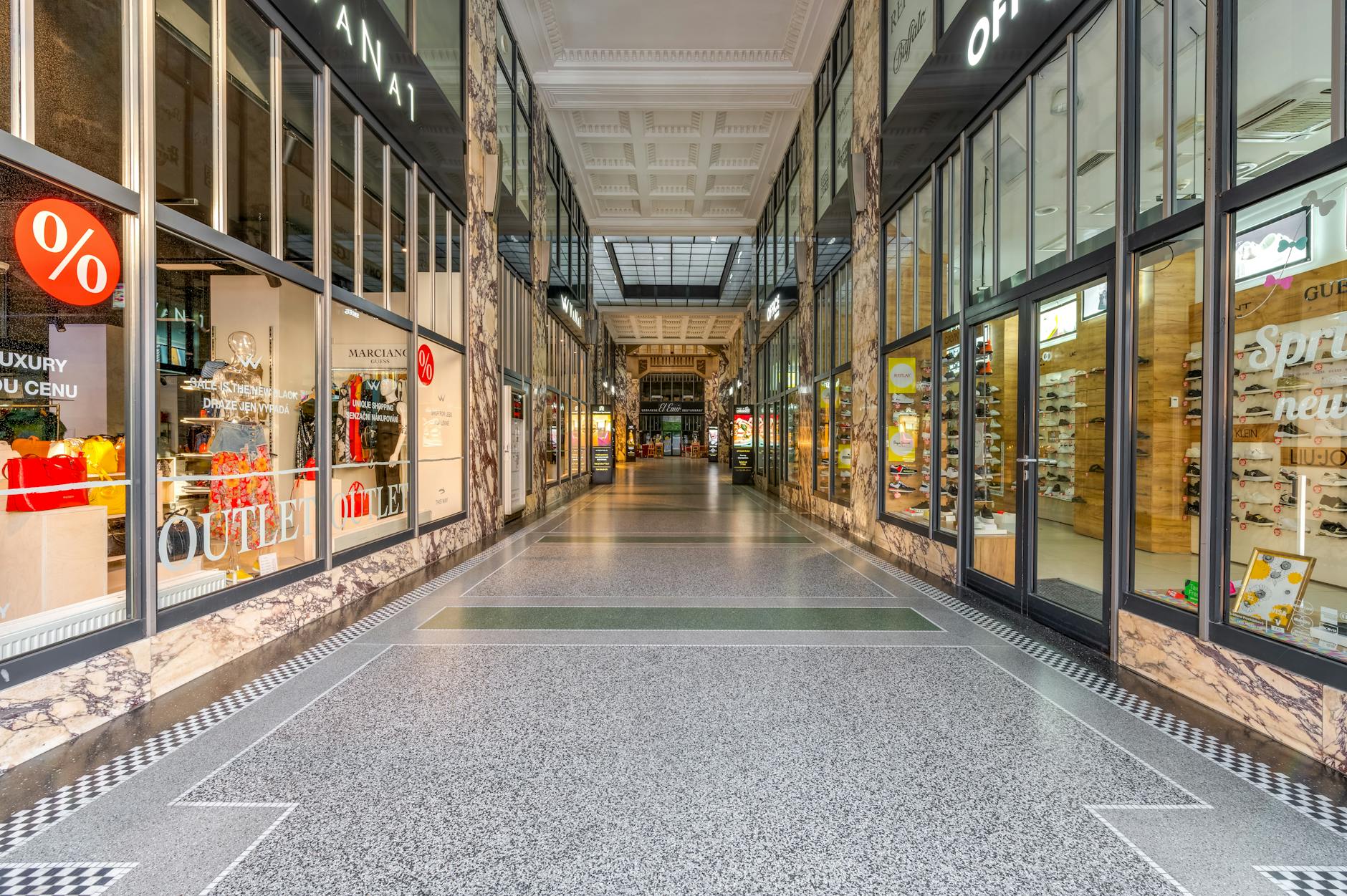
The Mall Brands Making Celebrity Headlines
Target has emerged as an unlikely celebrity favorite. Rihanna has been photographed multiple times wearing pieces from the retailer’s various collections. Her casual airport looks often feature Target basics mixed with high-end accessories, creating an approachable yet elevated aesthetic. The strategy works because Target’s design collaborations with major designers offer quality pieces at accessible price points.
Zara represents another mall staple gaining celebrity traction. The Spanish retailer’s fast-fashion approach means it can quickly adapt runway trends, making designer-inspired pieces available to mainstream shoppers. Emma Stone has been spotted in Zara blazers at casual events, while Jennifer Lopez chose the brand for off-duty moments during press tours.
H&M continues attracting celebrity attention through its conscious collection and designer collaborations. The Swedish brand’s sustainability messaging resonates with environmentally conscious stars. Additionally, H&M’s designer partnerships have included major names like Versace and Isabel Marant, lending credibility to the brand’s fashion credentials.
Urban Outfitters occupies a unique position in this landscape. While technically a mall brand, it cultivates an indie aesthetic that appeals to younger celebrities and musicians. Artists like Clairo and Phoebe Bridgers regularly wear the brand, helping maintain its credibility within creative communities.
Old Navy represents the most surprising entry in celebrity wardrobes. Amy Poehler and Busy Philipps have both championed the brand, praising its inclusive sizing and family-friendly approach. When celebrities shop where regular families shop, it creates powerful relatability moments.
The Psychology Behind the Pivot
Celebrity stylists confirm this trend reflects genuine preference, not just publicity stunts. Many stars grew up shopping at these retailers and maintain emotional connections to the brands. Wearing familiar labels provides comfort during the constant scrutiny of fame.
The financial aspect can’t be ignored either. While A-listers can afford designer pieces, many prefer investing in experiences or causes rather than constantly updating wardrobes. Mall brands offer trend-driven pieces at prices that make frequent shopping guilt-free.
Social media amplifies the impact of these fashion choices. When celebrities post casual photos wearing accessible brands, engagement often exceeds red carpet content. Followers can actually afford to recreate the looks, making the content more interactive and shareable.
Authenticity plays a crucial role in modern celebrity culture. Audiences have grown skeptical of obvious brand partnerships and sponsored content. Choosing mall brands without formal endorsement deals suggests genuine preference, enhancing credibility with fans.
How Mall Brands Are Responding
Retailers have noticed increased attention and are adapting strategies accordingly. Target has expanded its designer collaboration program, bringing in higher-profile names and creating more buzz around launches. These partnerships generate media coverage while maintaining accessible pricing.
Zara has strengthened its trend forecasting, ensuring pieces can quickly capture viral fashion moments. The brand’s ability to produce Instagram-worthy pieces at mall prices has become a competitive advantage in celebrity casual wear.
H&M has doubled down on sustainability messaging, knowing it resonates with socially conscious celebrities. The brand regularly highlights eco-friendly collections and transparent manufacturing processes, appealing to stars who want to align personal values with fashion choices.
Some brands are creating celebrity-adjacent sub-brands or special collections. While not explicitly celebrity lines, these offerings capture the elevated casual aesthetic that resonates with famous customers and their followers.
The customer service experience has also improved at many mall retailers. Staff training now includes handling media attention and maintaining customer privacy, acknowledging that anyone might walk through their doors.
The Ripple Effect on Fashion Culture
This celebrity embrace of mall brands is reshaping fashion hierarchies. Traditional luxury brands are responding by creating more accessible lines or partnering with mainstream retailers. The distinction between “high” and “low” fashion continues blurring as quality and design become more important than price points.
The shift mirrors changes in vintage shopping, where celebrities seek unique pieces regardless of original retail price. The focus has moved from exclusivity to individuality and personal expression.
Younger consumers particularly embrace this democratization. They’re less interested in status symbols and more focused on personal style and values alignment. When their favorite celebrities shop at accessible retailers, it validates these preferences and encourages similar choices.
The trend also reflects broader economic awareness. Even wealthy celebrities recognize that flaunting expensive casual wear can seem tone-deaf during economic uncertainty. Choosing accessible brands demonstrates relatability and social consciousness.
Fashion weeks are responding by featuring more accessible brands alongside luxury houses. The industry acknowledges that influence now comes from street style and celebrity casual wear, not just runway presentations.
The mall brand movement represents more than fashion trends – it signals a fundamental shift in celebrity culture and consumer values. As authenticity becomes the ultimate luxury, expect more stars to embrace accessible fashion choices. The real question isn’t whether this trend will continue, but how traditional luxury brands will adapt to a world where the mall food court outfit gets more attention than the red carpet gown.
Smart celebrities understand that relatability drives modern influence. By shopping where their fans shop, they create genuine connections that transcend traditional marketing. The mall might just be fashion’s most unexpected runway.
Frequently Asked Questions
Which mall brands do celebrities wear most often?
Target, Zara, H&M, Urban Outfitters, and Old Navy are frequently spotted in celebrity casual wardrobes.
Why are celebrities choosing affordable fashion over designer labels?
It reflects authenticity, relatability with fans, and personal values around accessibility and sustainability.