


While red carpet veterans dominate headlines with their designer gowns, Hollywood’s most memorable fashion moments increasingly come from an unexpected source: costume designers transitioning from film sets to celebrity styling. These behind-the-scenes artists, who spend careers creating characters through clothing, now shape the personal style of entertainment’s biggest names.
The shift represents more than career pivoting. Costume designers bring a storytelling approach to celebrity fashion that traditional stylists often miss. Where stylists focus on trends and brand partnerships, costume designers think in narratives, character arcs, and visual metaphors that resonate with audiences on deeper levels.
From Character Creation to Celebrity Identity
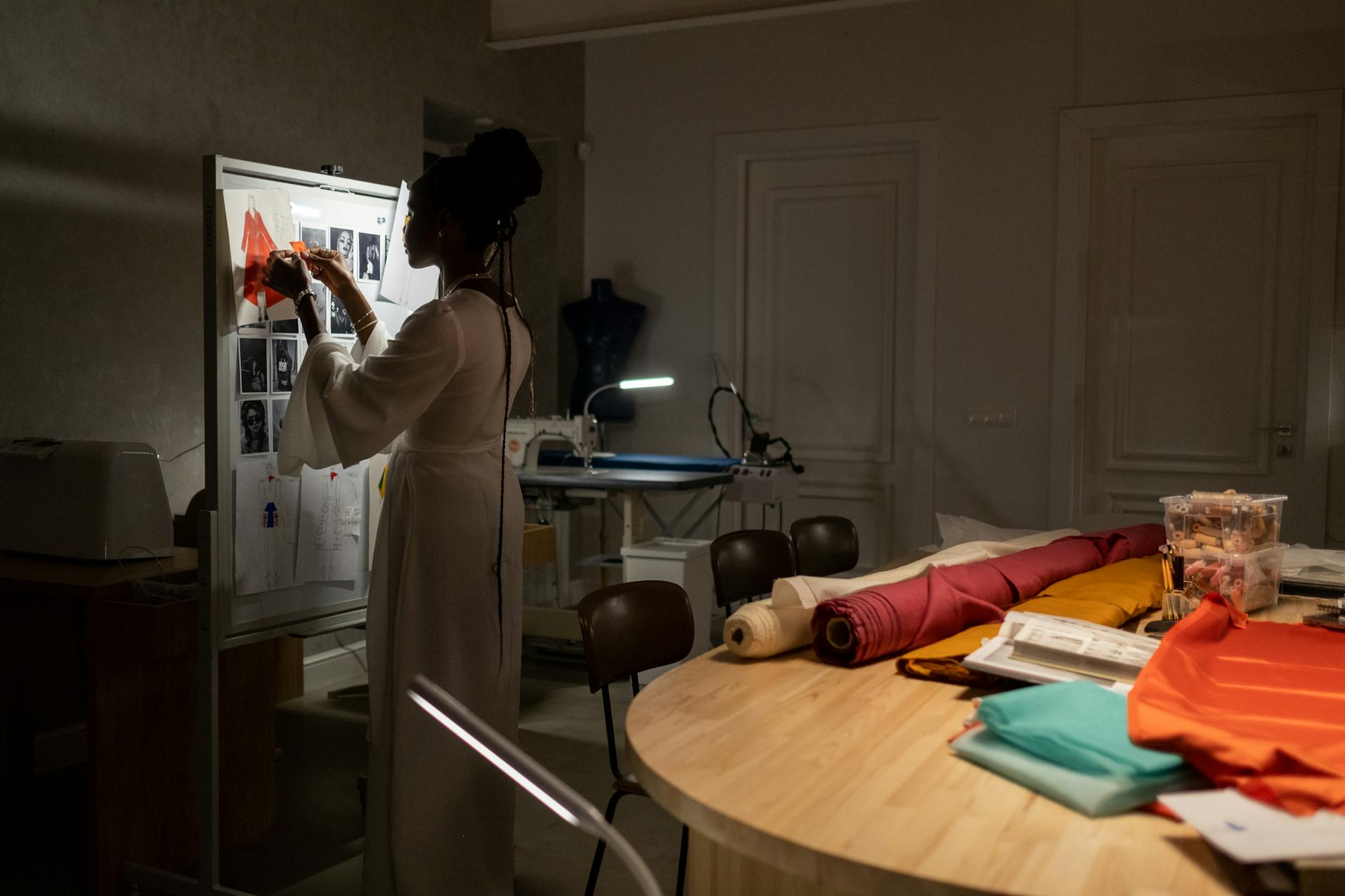
The transition from costume department to styling suite makes perfect sense when examined closely. Costume designers already understand how clothing communicates personality, status, and emotion. They know which fabrics photograph well under different lighting conditions and how silhouettes convey strength or vulnerability. Most importantly, they think beyond single outfits to consider how each look fits into a larger visual story.
Ruth Carter, who won Academy Awards for “Black Panther” and “Malcolm X,” exemplifies this crossover success. While primarily known for her film work, Carter has styled celebrities for major events, bringing the same attention to cultural significance and historical context that made her movie costumes so impactful. Her approach treats each red carpet appearance as a scene in the celebrity’s ongoing public narrative.
Similarly, Jacqueline Durran, Oscar winner for “Little Women” and “Anna Karenina,” has transitioned some of her skills to celebrity styling. Her background in period costume work gives her an encyclopedic knowledge of fashion history, allowing her to reference specific eras and designers in ways that create visually rich, layered looks.
The costume designer advantage extends beyond technical knowledge. These professionals understand character development. They know how to dress someone not just for their current image, but for who they want to become. This proves invaluable for celebrities navigating career transitions or seeking to reshape their public personas.
The Art of Visual Storytelling Through Fashion
Traditional celebrity styling often follows predictable formulas: borrow designer gowns, accessorize with jewelry from major houses, coordinate with the event’s theme or the celebrity’s latest project. Costume designers approach the same challenge as world-building exercise, considering cultural context, historical references, and symbolic meaning.
This methodology produces fashion moments that generate genuine cultural conversation. When Lupita Nyong’o wore Calvin Klein to the 2014 Oscars, her stylist Micaela Erlanger worked with costume designer instincts, choosing a dress that referenced both contemporary minimalism and traditional African silhouettes. The result wasn’t just beautiful clothing but a statement about identity, representation, and the future of Hollywood fashion.
The costume designer perspective proves particularly valuable for younger celebrities establishing their public image. These artists understand how consistency in visual choices builds recognizable personal brands over time. They think in terms of character arcs rather than individual moments, helping celebrities develop signature styles that evolve organically rather than lurching between disparate trends.
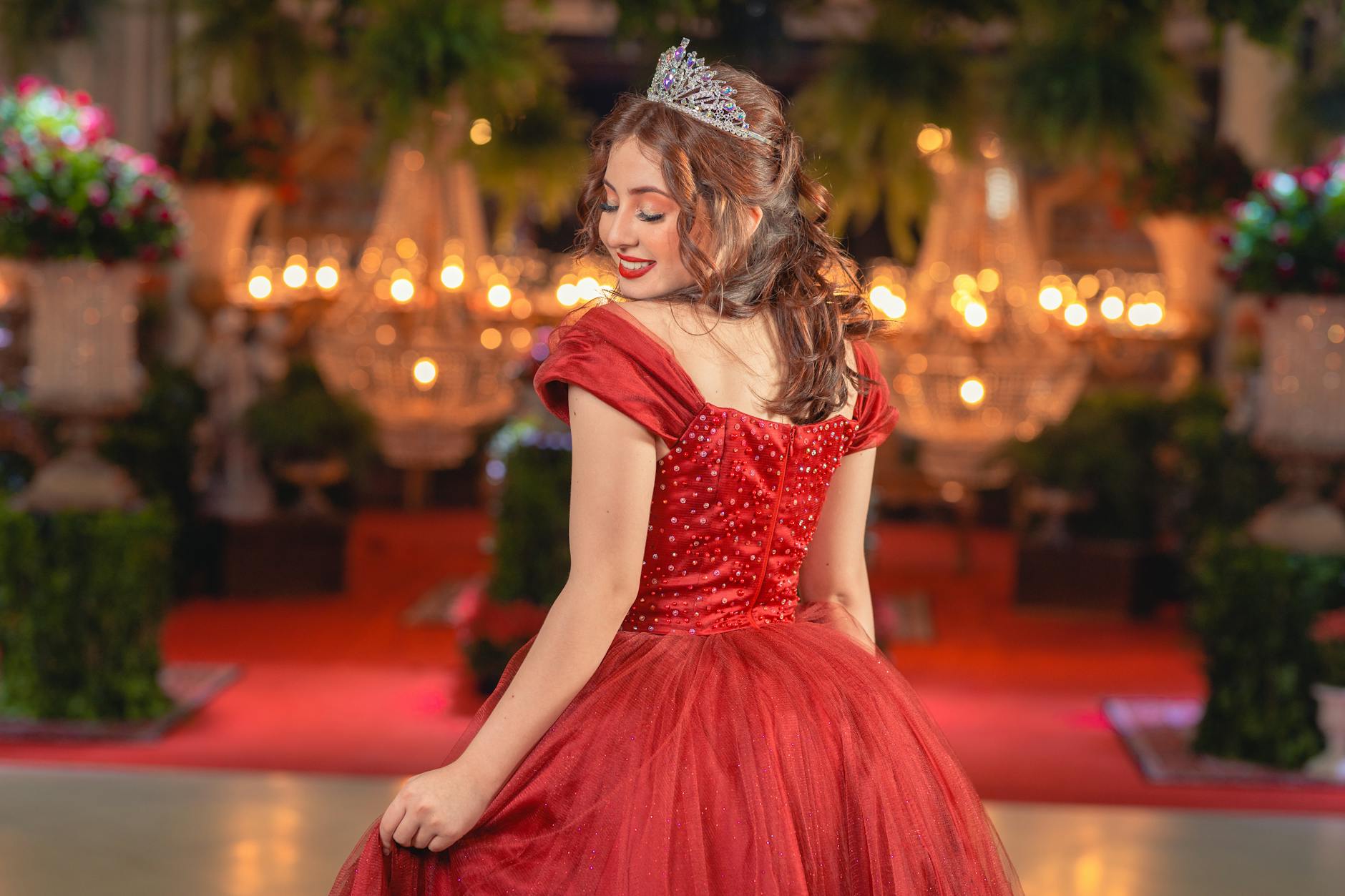
Consider how costume designers approach color psychology differently than traditional stylists. While stylists might choose colors based on seasonal trends or flattering tones, costume designers select hues for their emotional and symbolic impact. They understand how certain colors read on camera, how they interact with lighting, and what psychological responses they trigger in viewers.
Industry Recognition and Growing Influence
Fashion industry insiders increasingly recognize the unique value costume designers bring to celebrity styling. Major fashion houses now court relationships with prominent costume designers, understanding that their film work provides massive global exposure for designer pieces and accessories.
The relationship proves mutually beneficial. Costume designers gain access to current collections and custom pieces for their celebrity clients, while fashion brands benefit from the storytelling expertise that makes their clothing more memorable and meaningful in public appearances.
Award show styling has become a particular showcase for costume designer talent. These professionals understand ceremony pacing, camera angles, and the importance of looks that photograph well from multiple perspectives. Their film experience with continuity and visual consistency translates perfectly to events where celebrities appear in numerous photos and video segments throughout the evening.
The trend extends beyond individual styling relationships. Production companies and talent agencies increasingly recognize costume designers as valuable creative resources for their celebrity clients’ overall brand development. This represents a significant shift from treating costume and styling as separate, unrelated skill sets.
Shaping Tomorrow’s Celebrity Fashion
The influence of costume designers on celebrity fashion continues expanding as entertainment becomes increasingly visual and globally distributed. Social media platforms reward distinctive, memorable looks over safe, pretty dresses. Costume designers, trained to create images that stick in viewers’ minds, excel in this environment.
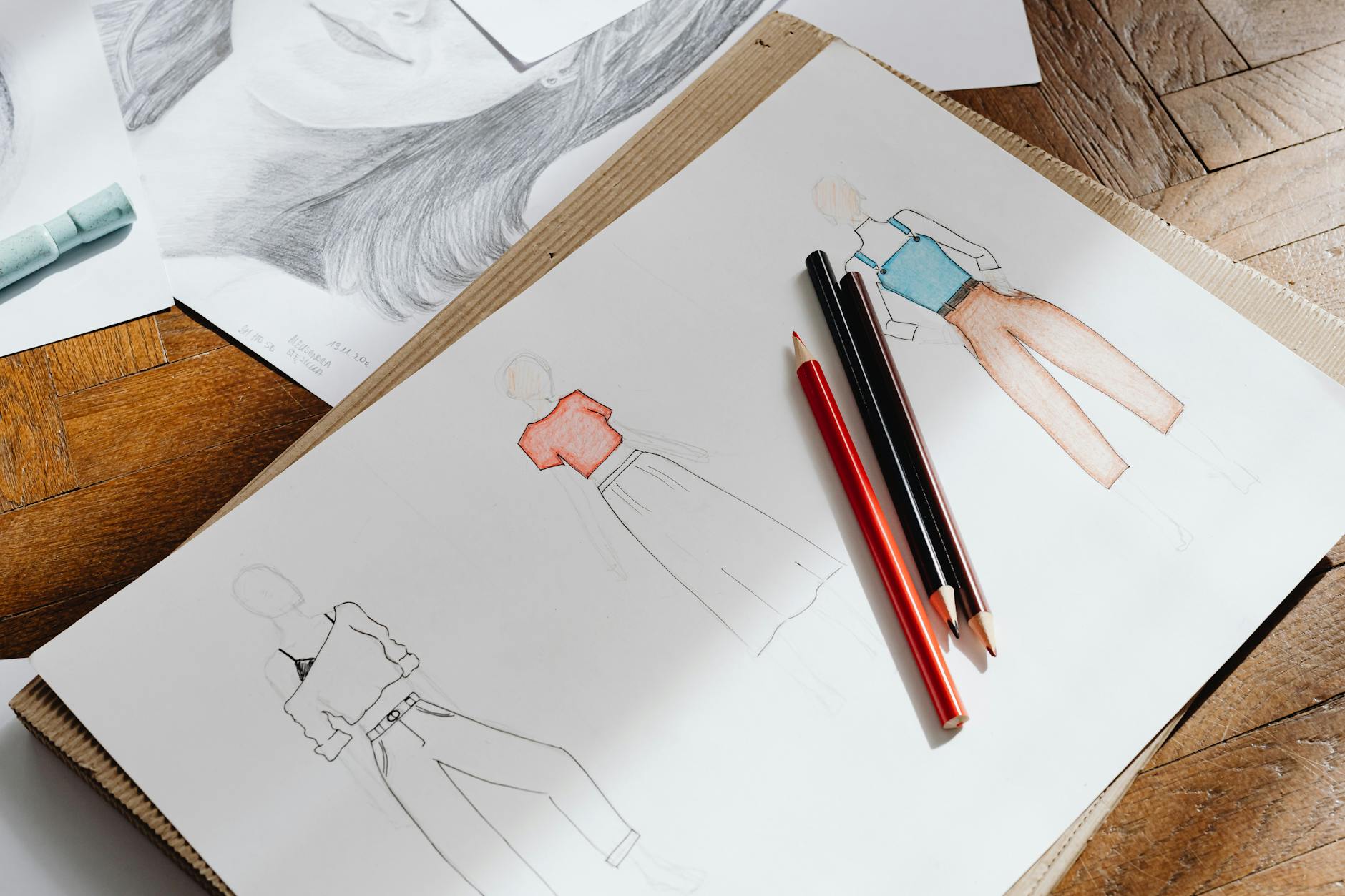
Their storytelling approach proves particularly relevant as celebrities increasingly use fashion for activism and social commentary. Costume designers understand how to embed messages in clothing choices without sacrificing aesthetic appeal or overwhelming the intended communication.
The next generation of celebrity stylists likely will blend traditional fashion knowledge with costume design principles. Fashion schools already incorporate more entertainment industry training into their curricula, recognizing that celebrity styling represents a major career path requiring specialized skills.
As streaming platforms produce more content and create new categories of entertainment celebrities, the demand for professionals who understand both fashion and visual storytelling will only increase. Costume designers turned celebrity stylists represent the future of an industry where clothing must work harder to capture attention and convey meaning.
The unexpected rise of costume designers in celebrity styling reflects broader changes in how we consume and interpret visual media. In an era where every public appearance becomes content, the professionals who best understand how clothing tells stories inevitably shape the conversation. Their influence ensures that tomorrow’s most talked-about looks will be those that don’t just look beautiful, but say something meaningful about the people wearing them.
Frequently Asked Questions
Why are costume designers becoming celebrity stylists?
They bring storytelling skills and technical expertise that create more meaningful, memorable fashion moments than traditional styling approaches.
How do costume designers differ from regular celebrity stylists?
They focus on narrative and character development rather than just trends, thinking about how each look fits into a celebrity’s overall public story.